
Stem Cell for Eyebrow Restoration
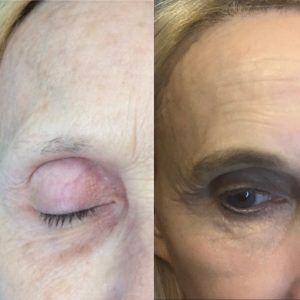
What is Stem Cell Treatment for Eyebrows?
Eyebrow hair loss has several causes and requires a diagnosis. Cell-based injections are investigational for eyebrow regrowth; scalp research does not establish an effective eyebrow protocol. Dr. Ben Behnam performs the practice’s stem-cell procedures. Discuss evidence, risks, and established alternatives during an evaluation.
What are Stem Cells?
Stem cells can develop into particular specialized cell types. Donor-derived cord preparations vary in composition and viable cell content. There is no established universal time to eyebrow regrowth, and no stem-cell injection is FDA-approved for that purpose.
How long does the Stem Cell for Eyebrow Restoration last?
A reliable duration for eyebrow regrowth after a particular cell preparation has not been established. A claimed cell survival period does not prove how long a cosmetic result will last.
Do I have to do anything else to make the Eyebrow hair grow after the injections?
Any maintenance plan depends on the diagnosis and proposed intervention. Ask about appropriate medicines and alternatives; benefit from an injection cannot be assumed.
Can I use Latisse or other eyebrow products at the same time as the Stem Cell injection?
Discuss all eyebrow and eye-area products with your clinician. Do not combine prescription products and injections without individualized advice.
How is this different than Permanent makeup or Microblading?
Microblading places pigment in the skin. Cell-based injections do not tattoo hair-like strokes, but they also do not have established evidence of reliable eyebrow regrowth. Compare the purpose, risks, and alternatives for each approach.
How is Stem Cell injection different than PRP or Acell Injections?
PRP concentrates platelets from your own blood. It is not a purified stem-cell therapy, and reliable direct comparisons showing superior eyebrow outcomes from a donor cell product are lacking.
ACell-type extracellular matrix products are also distinct from stem cells. A product’s biological source does not establish that it regrows eyebrow hair.
Is Stem Cell for Eyebrow Restoration the same as Eyebrow Transplant Surgery?
Eyebrow transplantation surgically moves hair follicles. A cell-based injection does not transplant follicles and should not be presented as having equivalent results. Ask which option fits your diagnosis.
What is the exact process during the day of the procedure?
- Once you arrive at the office, photos are taken.
- Topical numbing is applied to the eyebrows.
- The eyebrow area is injected with Lidocain numbing.
- Stem Cells are injected into the eyebrows.
- You go home.
Ask about available numbing and comfort options and their risks. Tolerance varies between patients.
Is this an outpatient or In-patient procedure?
An eyebrow injection may be performed as an outpatient procedure, but numbing, medicines, observation, and transport requirements must be individualized. Confirm whether you can drive afterward.
How long does the procedure take?
Ask how much time to allow for assessment, preparation, numbing, injection, and observation.
Does the procedure hurt?
Numbing can reduce discomfort but does not guarantee a painless procedure. Discuss pain control and possible side effects.
Is there any downtime with the Stem Cell Eyebrow Restoration Procedure?
Some patients may bruise from the injections and there may be some swelling around the eyes. The bruise may last a week. The swelling typically resolves in couple hours, but sometimes may last several days.
Is Stem Cell injections the same as PRP injections?
PRP is a platelet preparation. Donor-derived cell or tissue products differ in composition, evidence, and risks; stronger or longer-lasting effects should not be assumed.
What Else are Stem Cells used for?
Stem-cell medicine includes established transplant care and many investigational regenerative uses. See the broader procedure overview.
If I have thyroid problems, will the Stem Cells work?
Thyroid disease can contribute to hair changes. Review the cause of eyebrow loss and management of underlying conditions before considering a cosmetic procedure.
What preparation do I need for the day of the procedure?
Obtain individualized medication instructions from your treating clinician. Do not stop aspirin, prescribed medicines, or NSAIDs based on this page alone.
Do results vary among patients?
Yes. Outcomes vary, and a reliable success rate or duration for a particular eyebrow injection has not been established. It is not a cure for eyebrow loss.
What are the restrictions after the procedure?
Follow your written aftercare plan for washing, hats, exercise, swimming, travel, and topical products. Timing depends on the procedure and your recovery; contact the office if symptoms worsen. Obtain individualized medication instructions from your treating clinician. Do not stop aspirin, prescribed medicines, or NSAIDs based on this page alone.
How are the Stem Cells processed, and are they safe to use?
Ask for the exact manufacturer, product, donor-screening, batch-testing, and handling information. Generic processing descriptions do not establish the safety of a particular preparation. Risks vary with the product and procedure and can include pain, bruising, swelling, infection, contamination, or immune reactions. Donor screening and sterility testing do not eliminate these risks.
Are Stem Cells tested for HIV, Hepatitis and other infectious diseases?
Request the donor-screening and batch-testing documents for the proposed product. Testing does not eliminate infection or contamination risks.
How many cells are in each vial of Stem Cells?
The treatment area, preparation, dose, and follow-up should be discussed for your individual case. A cell-count claim alone does not establish a viable stem-cell dose or better results.
Are there any clinical studies showing Stem Cells cause hair growth?
Scalp studies have been published, but their findings should not be extrapolated directly to eyebrows. Read the scalp research review and ask for evidence specific to the proposed eyebrow treatment.
What medical history requires review before an eyebrow procedure?
- Transplant history, immune conditions, and immunosuppressive treatment.
- Current medicines and conditions affecting healing.
- Active illness or infection.
- Pregnancy, breastfeeding, or plans for pregnancy.
- Current or previous cancer and its treatment.
- Allergies and previous reactions; do not self-premedicate.
- Sensitivity to ingredients or preservatives.
- Age and evidence for the proposed indication.
Is Stem Cell injections a cure for hair loss?
No.
Can I have a Graft vs Host Response after the injection?
Donor-derived preparations can cause immune or inflammatory reactions. Graft-versus-host disease has a specific meaning in transplantation and should not be described simply as mixing blood types. Discuss the risks of the exact product.
Do They Ever Use an Aborted Fetus To Harvest Stem Cells?
Ask for source and donor-consent documentation for the proposed preparation. Umbilical and embryonic sources are different categories.
Do Stem Cells Duplicate Themselves in the Body?
Whether cells survive or divide depends on their type and treatment context. A blanket claim that injected stem cells cannot divide in the body is inaccurate.
How long do the Stem Cells last in your body?
A universal cell-survival period after eyebrow injection has not been established.
I want to learn more about Stem Cell for Hair Loss, where do I go?
To learn more about Stem Cell and hair loss, please visit our Stem Cell for Hair Loss page. If you still have more questions, please give us a call at 310-315-4989 or come see us in the clinic for a consultation.
No stem-cell injection is FDA-approved for hair regrowth. Laboratory registration or testing does not establish approval of the product for that use. Risks vary with the product and procedure and can include pain, bruising, swelling, infection, contamination, or immune reactions. Donor screening and sterility testing do not eliminate these risks. Fees are available by contacting the office.
Updated November 4, 2026. For broader treatment options, evidence, and FDA information, read our Los Angeles stem-cell therapy guide. Consultation and treatment fees: contact the office or call (310) 315-4989.