
Platelet-rich plasma (PRP) is prepared from your own blood to concentrate platelets and their signaling proteins. Dr. Ben Behnam offers PRP evaluation for hair-loss concerns in Los Angeles. Evidence supports potential benefit for selected patients, particularly those with pattern hair loss, but outcomes vary. PRP is not FDA-approved specifically for hair regrowth; clearance of a preparation device is different from approval of a treatment indication. See the ISHRS explanation.
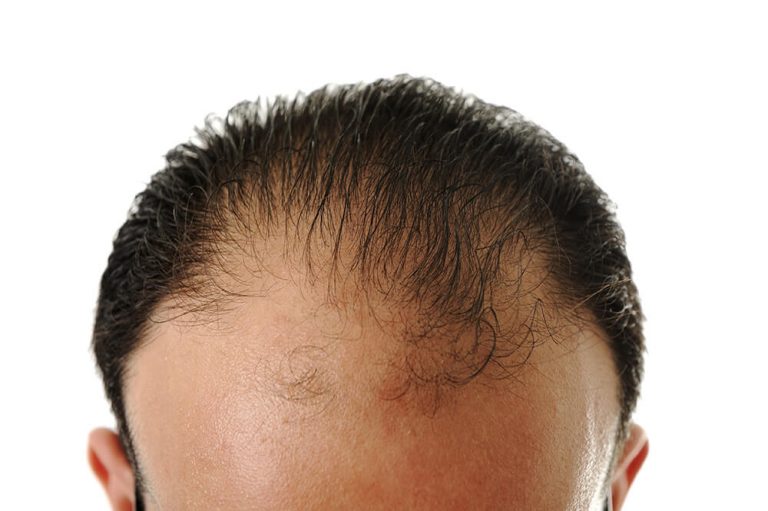
PRP involves drawing blood, separating a platelet-rich fraction in a centrifuge, and injecting the preparation into a selected treatment area.
Hair loss has different causes. A dermatology evaluation should establish the diagnosis and compare appropriate options, which may include medicines, selected devices, PRP, or hair transplantation. PRP is an injection procedure and can cause discomfort, bruising, swelling, or infection.
Before treatment, discuss your medical history, medicines, expectations, evidence, and alternatives with Dr. Behnam. Consultation and treatment fees are available by contacting the office.
Is PRP Appropriate for Your Hair Loss?
PRP may be an option for selected patients with pattern hair loss, but it is not appropriate for every diagnosis. Ask what outcomes are realistic for your hair-loss type, how progress will be assessed, and whether established medicines or transplantation should also be considered.
PRP Before and After
The existing video below shows individual treatment experiences. It does not establish typical outcomes or guarantee your result.
The following features and limitations can help guide your consultation.
Benefits of PRP for hair loss:
Natural
PRP uses your own blood rather than a donor preparation. This reduces some donor-related concerns but does not eliminate risks from blood collection, preparation, or injection.
Potential Benefits and Limits
Platelets release signaling proteins involved in tissue responses. Research on hair density and thickness does not mean PRP can treat every type of hair loss or other body complaint.
Recovery and Aftercare
Recovery depends on the treatment area, technique, and your health. Ask about returning to work, washing, exercise, and follow-up rather than assuming a fixed one-hour recovery.
Comfort and Side Effects
Scalp injections can cause discomfort, tenderness, swelling, or bruising. Ask about numbing and comfort options; the procedure is not universally painless.
Discuss your hair-loss diagnosis and treatment options with board-certified dermatologist Dr. Ben Behnam.
PRP Frequently Asked Questions
What Is Platelet-Rich Plasma?
Platelet-rich plasma is a blood preparation with a higher platelet concentration than the starting sample. Its composition varies with the collection and preparation method. It is biologically different from a stem-cell preparation.
How Do PRP Hair Treatments Work?
PRP is studied and used for selected hair-loss concerns, especially pattern hair loss. It may improve hair measures in some patients, but it does not reliably reverse every case of miniaturization or restore absent follicles.
Is plasma hair treatment safe?
Using your own blood does not make PRP risk-free. Blood collection and injections can cause pain, bruising, bleeding, swelling, or infection. Discuss medicines, medical history, sterile technique, and aftercare with the treating clinician.
How long does one PRP hair treatment session take?
A PRP session depends on the type of procedure and result. It can take anywhere from 30 minutes to 1 hour. At Dermatologist Los Angeles, we make sure the procedure is done right, as efficiently as possible.
How is PRP prepared?
A clinician collects blood and uses a preparation system to separate a platelet-rich fraction. Blood volume, platelet concentration, and processing steps vary. Ask what protocol is proposed and what evidence supports it for your diagnosis.
How is PRP performed?
The harvesting of PRP for hair treatments is performed by a medical professional or practitioner. After the PRP is prepared it will be ready for injection.
How many PRP hair treatments are needed to see results?
The number of sessions one may need depends on the severity of the hair loss.
When can I start seeing results from PRP?
Because of the natural nature of PRP, seeing results may take some time. It can take anywhere from 3 months to 6 months, or even longer. It depends on the person and the procedure.
How long does PRP last?
The length of the results of PRP hair restoration varies by many factors such as gender, age, and genetic makeup.
How long is the recovery time after a PRP hair treatment?
Follow individualized instructions for activity, washing, medicines, and follow-up. Do not stop aspirin or prescribed medicines based on general online advice. Contact the office about worsening symptoms or other concerns.
How much does PRP cost?
Consultation and treatment fees are available by contacting the office or calling (310) 315-4989. Request an itemized estimate including the initial course, any maintenance sessions, and follow-up.
Should I make a consultation before getting PRP?
Talk to a physician to see if PRP hair treatment is right for you. You will be able to go over all the little details that involve PRP. We want you to be well informed and knowledgable in PRP before getting PRP treatment for hair loss.
Is PRP treatment Los Angeles a permanent solution?
PRP is not a permanent cure for pattern hair loss. Benefit and maintenance needs differ between patients; discuss how outcomes will be measured and when the plan should be reassessed.
PRP for Hair Loss Q&A
The practice uses the name PRP 3SPIN for its preparation approach. A proprietary name alone does not establish superiority over other protocols.
What is PRP 3SPIN and How is it different than traditional PRP?
Preparation methods differ in blood volume, centrifugation, and final platelet composition. Ask which protocol is currently proposed for you and what clinical evidence supports it. The number of spins alone does not establish a better result.
How to Evaluate a PRP Preparation Protocol
Experience
Ask about the treating clinician’s experience with your diagnosis and the proposed preparation, along with how outcomes and complications are monitored.
Bigger and More Powerful Centrifuge
Equipment and settings influence preparation, but a larger centrifuge alone does not establish greater clinical benefit. The relevant question is how the final preparation was evaluated for your condition.
Centrifugation and PRP Preparation
The previous description mixed two-spin and three-spin methods. Confirm the current preparation protocol during consultation. Differences in spin counts or growth-factor measurements should not be presented as proof of superior hair regrowth.
Injection Technique
Injection depth, spacing, treatment area, and comfort measures should be chosen for the individual plan. Ask the clinician to explain the approach and risks; a large number of needle sites does not by itself establish improved outcomes.
Derma Roller
Microneedling is a separate intervention with its own risks. Ask whether it is recommended, what evidence supports the combination, and when it may be used. Do not add home microneedling immediately after injections without individualized guidance.
PRP Intervals
Initial and maintenance schedules should reflect diagnosis, response, and the supporting evidence. Obtain a written plan and reassess benefit before repeating treatment. For the distinction between PRP and stem-cell approaches, read our comparison guide.