Are you worried about hair loss and unsure of your options? It’s a common concern that affects many people, and understanding the choices available can feel overwhelming. You might have heard about PRP, stem cell therapy, and hair transplants, but what do they really entail?
Each method offers a unique approach to addressing hair loss, and knowing the differences can help you make an informed decision. PRP therapy uses your own concentrated platelets to rejuvenate existing hair follicles, and it has solid clinical backing. On the other hand, stem cell and exosome therapies aim to stimulate growth through advanced biological pathways, though they lack extensive trial data. Finally, hair transplants offer a surgical solution for more advanced stages of baldness.
Curious about which option might be right for you? Let’s dive deeper into the details to find out where you stand.
What Causes Hair Loss in the First Place?
Understanding Hair Loss: Key Causes
To effectively explore regenerative treatments for hair loss, it’s essential to understand the underlying causes impacting hair follicles. One of the most common forms of hair loss is androgenetic alopecia, which results from genetic sensitivity to dihydrotestosterone (DHT). This hormone can shorten the anagen phase of hair growth and lead to the miniaturization of hair follicles over time.
Another significant factor is scalp ischemia, which refers to reduced blood flow to the scalp. This lack of adequate circulation deprives hair follicles of the oxygen and nutrients they need, resulting in hair that’s brittle and thin. Additionally, chronic inflammation can further complicate hair loss by damaging follicular stem cells and interrupting the natural hair growth cycle. This is often seen in conditions like alopecia areata, which can cause patchy or diffuse shedding.
Beyond these primary causes, several other factors can contribute to hair loss. Aging naturally affects hair density, while hormonal changes—such as those experienced during menopause—can also play a role.
Poor nutrition, chronic stress, certain medications, and systemic illnesses like thyroid disease can further exacerbate hair loss.
Once hair follicles reach a critical point of miniaturization, they often can’t regenerate without surgical intervention. This highlights the importance of early treatment to maintain hair density and overall scalp health.
Understanding these factors can empower you to take proactive steps in managing and treating hair loss effectively.
How Does PRP Hair Restoration Actually Work?
Understanding PRP Hair Restoration
PRP (Platelet-Rich Plasma) hair restoration is an innovative treatment that utilizes your own blood to stimulate hair growth. The process begins with a simple blood draw, after which the blood is centrifuged. This spinning separates the components of the blood, concentrating the platelets to levels that can be 3 to 8 times higher than normal.
Your own blood, transformed: centrifuged to concentrate platelets 3 to 8 times higher than normal, fueling natural hair growth.
Once the platelets are prepared, they’re injected into areas of thinning hair. These activated platelets play a crucial role in promoting hair growth. They release essential growth factors such as PDGF (Platelet-Derived Growth Factor), VEGF (Vascular Endothelial Growth Factor), EGF (Epidermal Growth Factor), and TGF-β (Transforming Growth Factor Beta). These factors are vital for processes like angiogenesis (the formation of new blood vessels), cell proliferation, and reawakening dormant hair follicle stem cells.
Timing is important in this process. The growth factors need to reach the hair follicles while they’re still healthy and viable to successfully transition them into the anagen (growth) phase. However, it’s essential to note that PRP treatment is most effective when there are still viable hair follicles present. This means it won’t be effective on completely bald areas.
Typically, PRP is best suited for individuals experiencing early-stage hair loss. To achieve optimal results, patients usually undergo 3 to 6 sessions, spaced one month apart, followed by maintenance treatments every 3 to 6 months.
Can Stem Cells Really Regrow Thinning Hair?
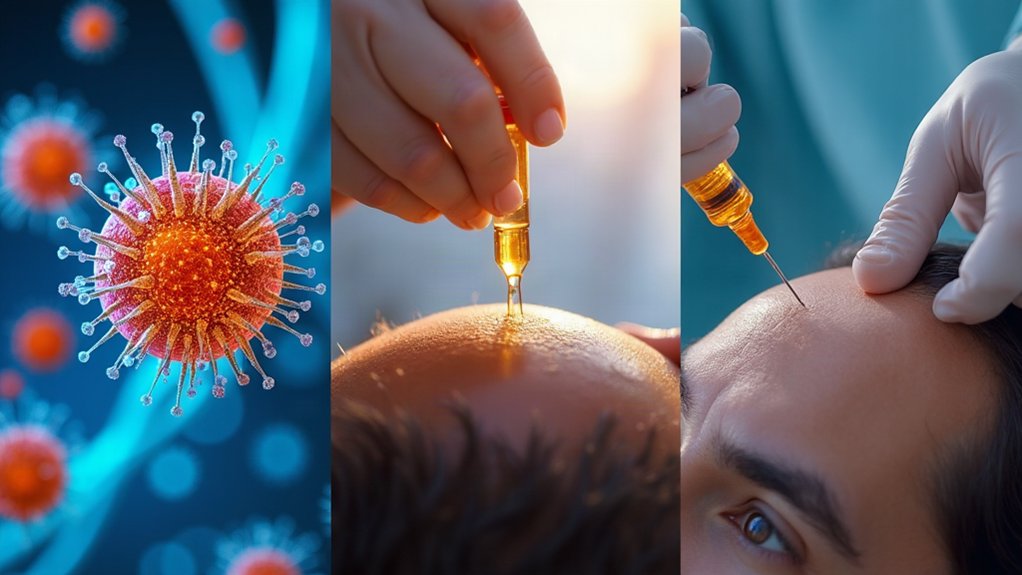
Can Stem Cells Really Regrow Thinning Hair?
Stem cell therapy is an innovative approach to addressing hair thinning, distinct from other treatments like PRP (Platelet-Rich Plasma). While PRP utilizes your own platelets to stimulate dormant hair follicles, stem cell therapy employs a more intricate biological process that’s still being refined in clinical settings.
One of the key components of stem cell therapy is the use of mesenchymal stem cell (MSC)-derived exosomes and conditioned media. These elements can influence important biological pathways, such as Wnt/β-catenin, PI3K/Akt, and Sonic Hedgehog, which play crucial roles in hair growth.
Unlike PRP, which primarily relies on growth factors to promote follicle activation, stem cell therapy introduces microRNAs that help maintain the active growth phase of hair follicles, known as anagen.
It’s important to note that stem cell therapy isn’t designed to create new hair follicles, especially in areas that are completely bald or have scarring. For this treatment to be effective, there must be existing viable hair follicles.
The source of the stem cells—whether from adipose (fat tissue), bone marrow, umbilical cord, or placental tissue—can significantly affect the outcomes. Among these, umbilical cord-derived products often provide greater consistency in their results.
However, the regulatory environment for stem cell therapies is still evolving. Currently, no such therapy has received full FDA approval, and there’s limited phase III clinical data available. Additionally, the marketing of exosome products has attracted scrutiny, leading to warning letters from regulatory bodies.
If you’re considering stem cell therapy for hair regrowth, it’s crucial to request comprehensive documentation from the provider regarding the treatment’s efficacy and safety. Understanding these factors will help you make an informed decision about your hair restoration options.
What Happens During a Hair Transplant?
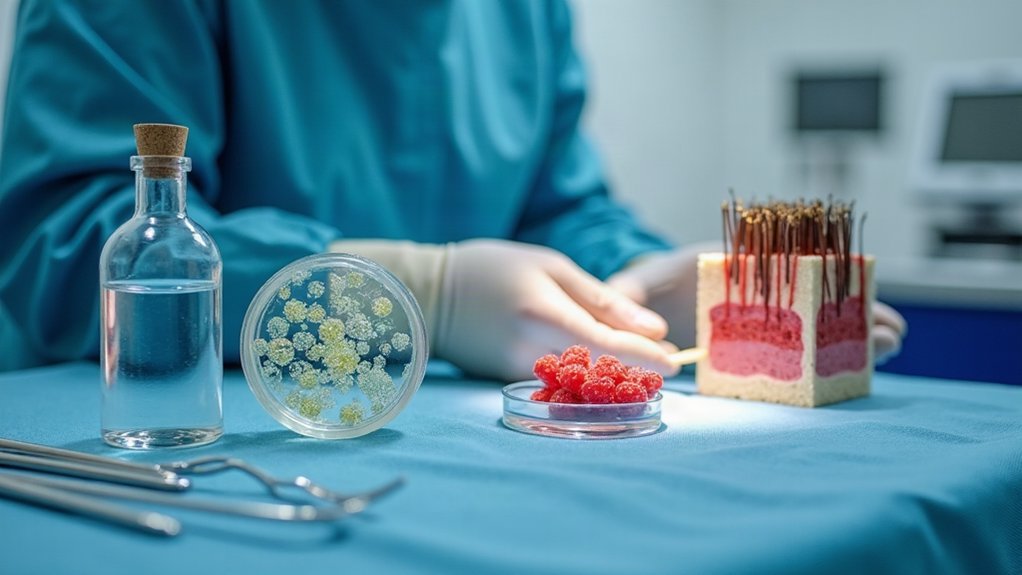
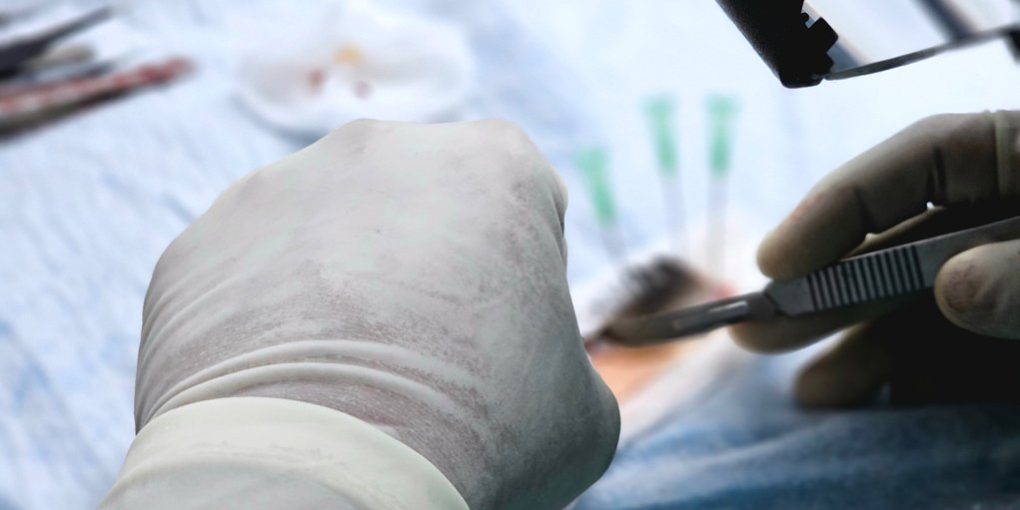
When you have a hair transplant, your surgeon will choose between two main methods: FUT and FUE.
FUT involves removing a strip of donor scalp, which is then divided into grafts. On the other hand, FUE extracts individual follicular units directly using a small punch tool.
After extraction, each follicle is carefully placed into tiny incisions that match the natural angle and density of your hair growth.
This whole process requires careful attention to detail, as successful graft survival and a natural look depend on minimizing any trauma to the follicles.
Now that we’ve covered the procedure, let’s take a look at what you can expect during recovery.
FUE vs. FUT Methods
When considering hair restoration options, understanding the differences between Follicular Unit Extraction (FUE) and Follicular Unit Transplantation (FUT) is essential. Each method has its own approach to graft harvesting, leading to different surgical footprints and recovery experiences.
FUE involves the use of a specialized punch, typically ranging from 0.7 to 1.0 mm, to extract individual follicular units. This technique leaves small dot-like scars, making it easier to conceal them, especially with shorter hairstyles.
On the other hand, FUT involves removing a linear strip of scalp, which is then meticulously dissected under a microscope to obtain grafts. This method results in a linear scar that may require longer hair to effectively hide.
When deciding which method is right for you, consider these three important factors:
- Graft Yield: If you’re looking for a higher number of grafts in a single session, FUT may be the better option. It can provide a greater number of grafts at once, while FUE typically allows for the extraction of around 1,500 to 4,000 grafts per day.
- Scarring: FUE is known for minimizing visible scarring due to its technique, making it a popular choice for those who prefer shorter hairstyles. In contrast, the linear scar from FUT requires more careful styling to conceal.
- Survival Rate: The careful dissection process in FUT tends to reduce the risk of graft transection, which can affect the survival of the transplanted hair. FUE, while effective, carries a slightly higher risk in this regard due to the extraction method.
Follicle Extraction and Placement
A hair transplant involves two main phases: extraction and placement, both of which are crucial for achieving natural-looking results.
In the extraction phase, if you opt for Follicular Unit Extraction (FUE), surgeons use micro-punches ranging from 0.7 to 1.0 mm to carefully harvest individual follicular units. These units are then stored in chilled saline to keep them viable.
Alternatively, with Follicular Unit Transplantation (FUT), a linear strip of hair is removed from the donor area. After stitching the donor site, technicians dissect the strip under microscopes to isolate the follicular units. Both methods prioritize the preservation of the donor area, ensuring that the blood supply remains intact.
The placement phase involves creating recipient sites where the hair follicles will be implanted. Surgeons pay close attention to the angles and densities of these sites, typically aiming for 30 to 60 grafts per square centimeter. This precision helps achieve a natural orientation for the newly implanted follicles.
The follicles can be placed using various techniques, including forceps, implanter pens, or the stick-and-place method. The entire process usually takes between 4 to 12 hours, and survival rates for the grafts are generally between 85% and 95%.
After the transplant, it’s common to experience initial shedding of the implanted follicles within a few weeks. However, this is a normal part of the process.
Over the next 6 to 12 months, you can expect to see regrowth as the follicles transition into the anagen phase, which is the active growth stage of hair.
Understanding these phases can help set realistic expectations for your hair transplant journey and ensure that you’re well-informed about what to anticipate.
Which Treatment Has the Strongest Clinical Evidence?
When considering hair loss treatments, it’s essential to understand that not all options are backed by the same level of clinical evidence. Two of the most validated treatments are Platelet-Rich Plasma (PRP) therapy and hair transplantation, both of which have shown strong results through rigorous research.
- PRP Therapy: This treatment has gained significant attention due to numerous randomized controlled trials (RCTs) and meta-analyses. These studies demonstrate that patients can achieve noticeable improvements in hair density and thickness after undergoing 3 to 6 sessions, using platelet concentrations that are three to five times higher than baseline levels.
- Hair Transplantation: This method is widely recognized for its effectiveness, offering long-term results. In skilled hands, hair transplantation can achieve graft survival rates of 85% to 95%, meaning that the transplanted hair follicles thrive and continue to grow.
- Stem Cells and Exosomes: While these treatments show promise at a mechanistic level, they currently lack robust evidence from larger trials and standardized protocols. Most studies are small and still in the early phases, with no Phase III data available to confirm their efficacy.
It’s important to note that comparative studies directly assessing the effectiveness of PRP therapy versus hair transplantation are limited. Therefore, your choice of treatment should primarily depend on the health of your hair follicles and the stage of your hair loss.
Understanding these factors can help guide you to the most suitable option for your situation.
How Much Do PRP, Stem Cells, and Transplants Cost?
When considering the costs of PRP (Platelet-Rich Plasma), stem cells, and transplants, it’s essential to look beyond the initial price tags. These treatments often require multiple sessions and ongoing maintenance, which can significantly impact the overall investment.
For PRP, the cost typically ranges from $1,500 to $3,000 per session. Most patients start with 3 to 6 initial treatments, and ongoing maintenance can lead to total expenses between $9,000 and $36,000 over three years. This cumulative cost is important to consider when planning your budget.
Stem cell and exosome injections are another option, generally priced between $2,500 and $10,000 per session. However, like PRP, these treatments often require multiple rounds, making it crucial to look at long-term expenses rather than just the cost per session.
Whole stem cell transplantation can vary widely, with total costs falling between $5,000 and $30,000. Access in the U.S. is often limited to clinical trials or specialized clinics, which can further complicate your options.
Hair transplants present a different scenario. They typically cost between $4,000 and $20,000 for a single procedure, but they often provide lasting results, reducing the need for repeat treatments.
Before making a decision, it’s vital to seek pricing transparency from your providers. Make sure to calculate the total costs involved, rather than focusing solely on the initial session fees. This comprehensive approach will help you understand your true financial commitment and make an informed choice about the treatment that’s right for you.
How Long Is Recovery for Each Treatment?
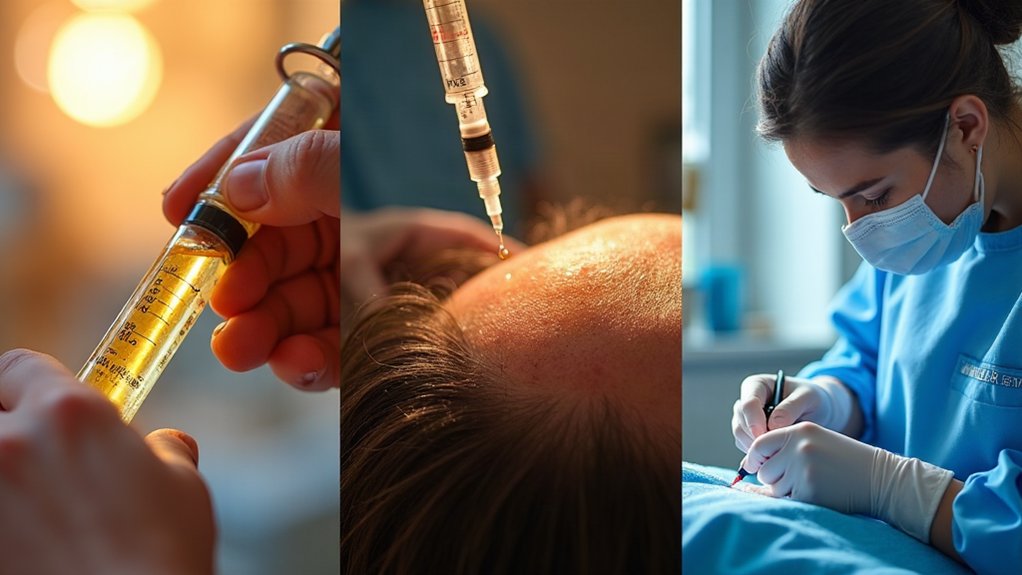
Recovery time can vary significantly depending on the treatment you choose, so it’s important to think about your schedule and how much downtime you can manage.
For PRP and exosome therapies, the recovery is quite straightforward—you can typically go back to your normal activities the same day, though you might experience some mild soreness or swelling that lasts for 24 to 72 hours.
On the other hand, surgical hair transplants require a more extended recovery period. With FUE, you’ll usually need about 3 to 5 days before you can resume light activities, and full recovery might take around 2 to 4 weeks.
FUT, which involves a linear donor wound, generally extends the recovery time to about 2 to 3 weeks before you can return to your usual routine.
With a clearer idea of recovery times, you might also want to consider the effectiveness and long-term results of each treatment option.
PRP and Exosome Downtime
Understanding PRP and Exosome Downtime in Hair Restoration
When considering hair restoration options, it’s important to understand the downtime associated with treatments like PRP (Platelet-Rich Plasma) and exosomes. Both methods generally allow for a quick return to normal activities, typically within 24 to 48 hours, making them appealing alternatives to surgical procedures.
PRP Treatment Downtime
With PRP, you may experience mild swelling, redness, or small scabs at the injection sites. These effects usually resolve within 2 to 7 days.
Because PRP uses your own blood, the risk of delayed reactions is quite low.
Exosome Treatment Downtime
Exosome therapy, on the other hand, may lead to localized soreness, redness, or bruising, which typically clears up in just a few days. While the acute risks are minimal, it’s essential to monitor for any unusual reactions, especially since exosome products are derived from donors.
Common Precautions
Regardless of the treatment you choose, some precautions are advisable. It’s best to avoid vigorous exercise, saunas, and any activities that might irritate the scalp for 24 to 72 hours after the treatment.
This will help ensure optimal healing and results.
Combining Treatments
If you’re considering combining PRP or exosomes with microneedling or hair transplantation, be aware that recovery may take longer. Additional redness or crusting can extend the healing period by several days or even weeks.
Surgical Transplant Recovery Timeline
Understanding the recovery timeline for surgical transplant options is crucial for setting realistic expectations regarding downtime and results. Each option—Follicular Unit Extraction (FUE), Follicular Unit Transplantation (FUT), and Stem Cell Therapy—has unique recovery characteristics.
| Treatment | Initial Recovery | Visible Results |
|---|---|---|
| FUE Transplant | Light activity can resume in 3–5 days; crusting typically resolves within 7–14 days. | New hair growth usually begins around 3–4 months, with full results evident in 9–12 months. |
| FUT Transplant | Requires 48–72 hours of bed rest; sutures are removed after 10–14 days. | The regrowth timeline is similar to FUE, but patients may experience longer discomfort. |
| Stem Cell Therapy | Mild soreness at the harvest and injection sites for 3–7 days. | Improvements can be observed over a period of 3–6 months. |
FUE is known for preserving donor area sensation better than FUT, which leaves a linear scar that may necessitate additional scar camouflage techniques. When choosing the right option, consider your personal tolerance for downtime along with your goals for permanence and hair density.
Are You a Candidate for PRP or Stem Cells?

Understanding Your Candidacy for PRP or Stem Cell Therapy
If you’re considering PRP (Platelet-Rich Plasma) or stem cell therapy for hair loss, it’s essential to assess whether these treatments are suitable for you. Both therapies focus on stimulating existing hair follicles rather than creating new hair on completely bald areas.
Key Factors for Eligibility
- Hair Loss Stage: These treatments are most effective for individuals experiencing early to moderate hair thinning. For men, this typically falls within the Norwood stages I to IV, and for women, Ludwig stages I to II. If you’re in these stages, your chances of seeing positive results are higher.
- General Health: Your overall health plays a crucial role in determining candidacy. Good health, adequate platelet counts, and the absence of active scalp infections or clotting disorders are necessary. If you have any underlying health issues, it’s important to discuss these with your healthcare provider.
- Treatment Goals: Consider what you hope to achieve. Combining PRP or stem cell therapy with medications like finasteride or minoxidil, as well as making lifestyle changes, can enhance your results. Having a clear understanding of your goals will help you and your healthcare team create a tailored approach.
Setting Realistic Expectations
It’s important to have realistic expectations when considering these treatments. Typically, PRP therapy involves an initial series of 3 to 6 sessions, followed by ongoing maintenance treatments.
Results may take time, and patience is key.
Certain individuals should approach these therapies with caution. For example, pregnant individuals, those with autoimmune conditions, or patients seeking treatment from clinics without proper regulatory documentation should consult their healthcare provider before proceeding.
When Does a Hair Transplant Make More Sense?
If you’re at Norwood V–VII or Ludwig III hair loss, you may find that regenerative therapies aren’t effective anymore.
Treatments like PRP and stem cell therapy primarily stimulate existing hair follicles, but they can’t create new ones in completely bald areas.
By this stage, your remaining follicles are often so miniaturized that biological stimulation won’t lead to noticeable regrowth.
This is where surgical restoration becomes a more practical option.
Now, let’s explore what you can expect from a hair transplant procedure and how it can help in your situation.
Advanced Hair Loss Stages
As male pattern baldness advances to stages Norwood V–VII or female thinning reaches Ludwig III, the situation becomes more complex.
At this point, the hair follicles in the affected areas have typically miniaturized to a degree where treatments like PRP (Platelet-Rich Plasma) or stem-cell/exosome injections may not effectively reverse the hair loss. Instead, hair transplantation often becomes the most viable option, but several key factors must be considered:
- Donor Density: It’s crucial to have sufficient donor hair in the occipital zone. Limited donor hair can restrict the number of grafts available for transplantation, which can impact the overall outcome.
- Scalp Laxity: Adequate scalp laxity is important for FUT (Follicular Unit Transplantation) procedures. Alternatively, if you’re considering FUE (Follicular Unit Extraction), there needs to be enough available follicles to ensure a successful procedure.
- Realistic Expectations: It’s essential to have realistic expectations about the results. While hair transplantation can restore coverage, it may not fully replicate the density of hair you once had.
Many surgeons enhance the success of hair transplants by combining the procedure with PRP or exosome therapy to support graft survival. While these biologics can help with healing, they aren’t substitutes for the transplantation itself.
If you’re considering a hair transplant, understanding these factors can help you make informed decisions and set realistic goals for your hair restoration journey.
Limits Of Regenerative Therapies
Understanding the Limits of Regenerative Therapies
Regenerative therapies, such as PRP (Platelet-Rich Plasma) and exosome treatments, primarily focus on stimulating existing hair follicles. However, they can’t create new follicles where none remain viable. For individuals at advanced stages of hair loss, specifically Norwood classifications V–VII or Ludwig III, these treatments may not restore coverage on a completely bald scalp. In such cases, surgical hair transplantation often becomes the most effective option.
The success of regenerative therapies tends to be most pronounced in moderate stages of hair loss, like Norwood III–IV or Ludwig II. At these stages, treatments may help slow further progression and enhance hair density. It’s important to note that while some patients experience positive outcomes, results can vary widely and typically don’t match the effectiveness of surgical transplants.
Choosing to undergo a hair transplant is a logical step when you have sufficient donor hair, desire immediate and lasting visual improvement, or if prior regenerative treatments haven’t yielded significant results. It’s crucial to set realistic expectations from the outset. This involves considering your current hair loss stage, the availability of donor hair, and your tolerance for various treatments.
Ultimately, understanding the limits of regenerative therapies can help you make informed decisions about whether to continue with these options or to proceed directly to surgical solutions. This informed approach is key to achieving the best possible results for your hair restoration journey.
Can You Combine These Treatments for Better Results?
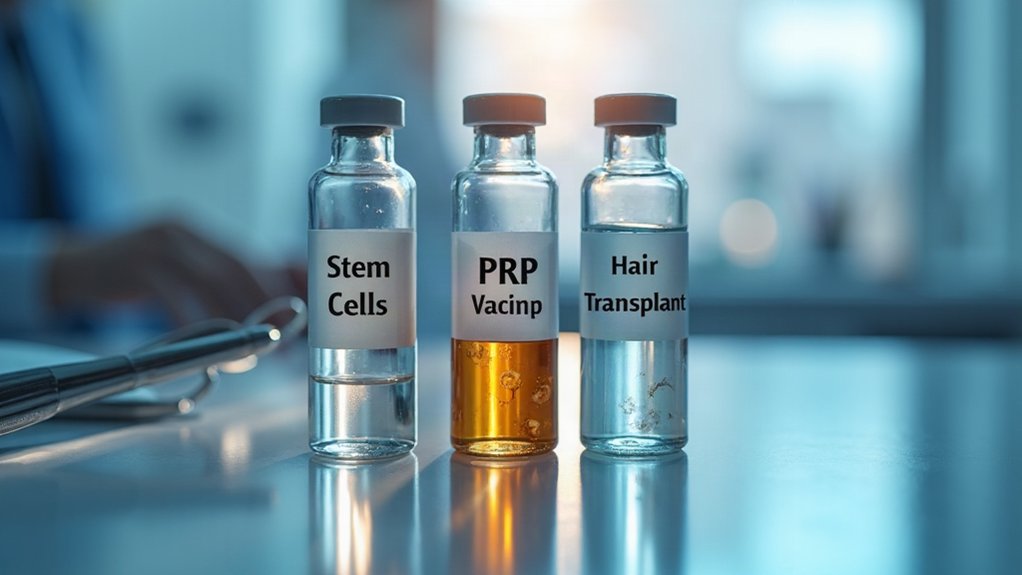
Combining Regenerative Therapies for Enhanced Hair Restoration
In the field of hair restoration, combining different regenerative therapies is becoming increasingly common. This approach isn’t just a trend; it’s a well-established practice in many clinics. For instance, combining Platelet-Rich Plasma (PRP) with stem-cell-derived treatments such as adipose-derived mesenchymal stem cells (MSCs) or exosomes can lead to improved outcomes. PRP’s growth factors can activate these transplanted cells, enhancing their effectiveness and promoting better results.
Patients who undergo surgical procedures like Follicular Unit Extraction (FUE) or Follicular Unit Transplantation (FUT) often use PRP to help reduce inflammation and support the survival of transplanted grafts.
Meanwhile, exosomes can play a crucial role in improving blood vessel formation in the recipient area, further supporting hair growth.
There are three key factors that can influence the success of these combined treatments:
- Timing Strategies: The order in which treatments are administered can affect their effectiveness. For example, some protocols recommend processing stem-cell concentrates first and then waiting five days before administering PRP. This can help “re-activate” the cells and maximize their benefits.
- Regulatory Considerations: PRP has a well-established track record in hair restoration, while many exosome therapies are still considered experimental. It’s important to discuss these options with a qualified professional to understand the implications.
- Cost and Commitment: Combining therapies often requires more treatment sessions, which can increase the overall cost. Patients should be prepared for a more significant time and financial commitment when opting for these combined approaches.
While patients can expect additive benefits from these combinations, it’s essential to understand that the results may not be transformative.
By approaching hair restoration with a combination of therapies tailored to individual needs, patients can maximize their chances of achieving their desired results.
Always consult with a knowledgeable clinician to determine the best strategy for your specific situation.
Frequently Asked Questions
Which Is Better, Stem Cell Therapy or Hair Transplant?
For advanced baldness, you’ll get better results from a transplant—it delivers proven graft longevity despite donor scarring risks. Stem cell therapy remains investigational; clinical trials haven’t established consistent regeneration on bald scalp, so don’t rely on it alone yet.
Will Baldness Be Cured by 2026?
No—despite promising cases like exosome-treated Norwood III patients showing partial regrowth, you won’t see a true cure by 2026. Future treatments remain stuck behind regulatory hurdles; you’re better off pairing proven options like transplants with adjunct therapies now.
What Happens 10 Years After a Hair Transplant?
Ten years out, you’ll likely retain 80–90% of transplanted grafts if donor area preservation was prioritized surgically. You’ll notice long term scarring remains minimal with FUE, though continued native hair loss may require medication or touch-up procedures.
Is PRP 100% Safe?
No treatment is ever 100% safe—not even close to risk-free. You’ll face real PRP risks: infection, injection discomfort, bruising. Choose a sterile, validated clinic with trained practitioners to minimize complications and maximize safety.