Are you struggling with hair loss and searching for effective solutions? You’re not alone. Many people are curious about the potential of stem cells in promoting hair regrowth. While research in this area is intriguing, it’s important to approach it with caution.
Recent studies have shown some gains in hair density using techniques like adipose-derived stem cells (ADSCs), dermal sheath cells (DSCs), and exosomes. These methods seem to work by stimulating existing hair follicles rather than generating new ones. However, it’s crucial to note that no stem cell or exosome treatment for hair loss has received FDA approval yet, meaning they are still considered experimental.
With many trials lacking standardization and long-term results, understanding the difference between what’s proven and what’s still in the works can help you make informed choices about your hair restoration journey. Curious to learn more? Let’s dive deeper into what the research really says.
How Stem Cells Are Supposed to Regrow Hair
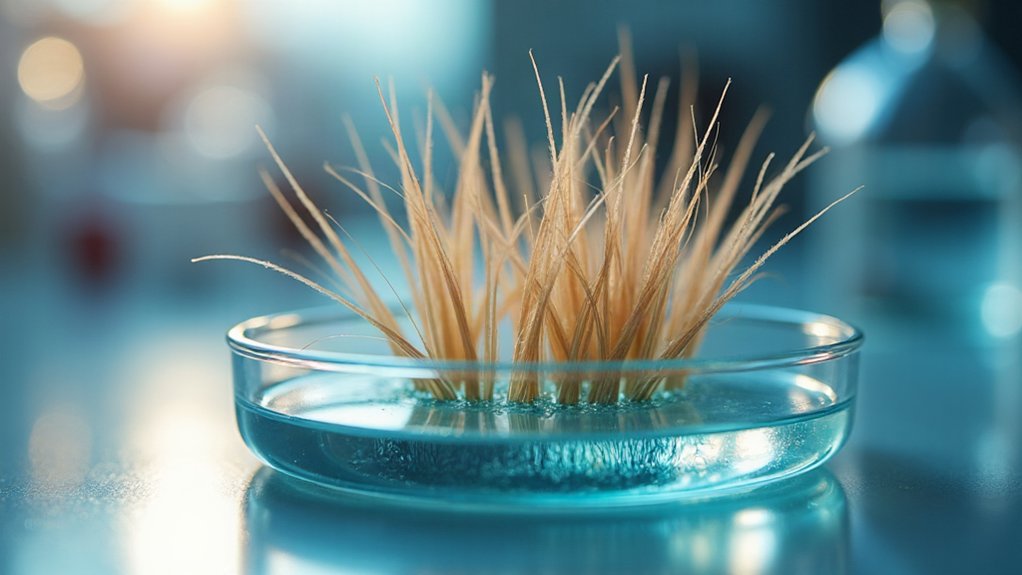
When discussing hair regrowth through stem cells, it’s important to clarify that the process doesn’t involve cloning new hair follicles. Instead, it relies on paracrine signaling, which involves the release of growth factors, cytokines, and microRNAs by transplanted cells or their exosomes. These signals don’t create new follicles; rather, they reactivate dormant follicles, awakening progenitor cells that remain viable within existing, miniaturized follicles.
Three key pathways are essential for this follicle reactivation: Wnt/β-catenin, Hedgehog, and JAK-STAT. Research indicates that activating these pathways can stimulate follicle stem cells and extend the anagen phase, which is the active growth stage of the hair cycle.
There are various delivery methods for these regenerative signals. Some of the most common include:
- Autologous Follicle or Dermal Sheath Cup (DSC) Cell Injections: These methods involve using a patient’s own cells to promote hair regrowth.
- Adipose-Derived Stem Cell (ADSC) Injections: This technique utilizes stem cells derived from fat tissue to stimulate hair follicles.
- Conditioned Media or Exosome Applications: These approaches focus on applying exosomes or the growth factors they contain directly to the hair follicles.
Each of these methods aims to provide struggling hair follicles with the necessary biological cues to resume normal growth. By understanding the underlying mechanisms and pathways involved in hair regrowth, we can appreciate the potential of stem cells as a viable solution for hair loss.
If you’re considering these treatments, it’s essential to consult with a qualified professional to explore the best options for your individual needs.
Is Stem Cell Therapy FDA-Approved for Hair Loss?
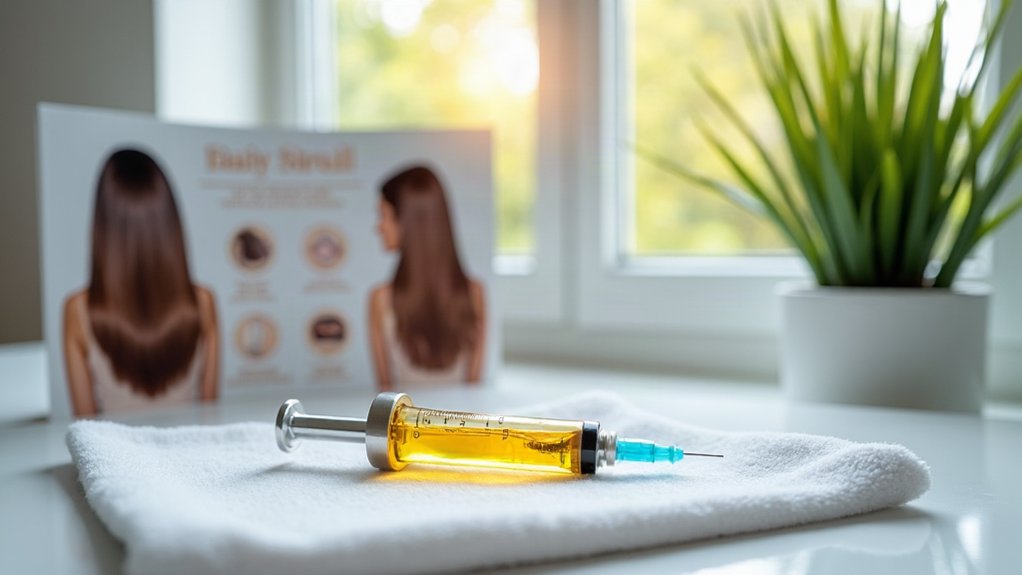
If you’re thinking about stem cell therapy for hair loss, it’s important to know that there are currently no FDA-approved treatments available in the U.S. All options out there are still in the investigational stage.
Keep in mind that this differs from PRP therapy, which utilizes your own blood platelets and follows a different regulatory route.
Before moving forward with any treatment, it’s a good idea to familiarize yourself with how to verify legitimate clinical trials and to be cautious of clinics that offer unapproved or unregulated injections.
Now that we’ve covered the basics of stem cell therapy, let’s explore some alternative options for addressing hair loss.
Current Regulatory Status
Current Regulatory Status of Stem Cell Treatments for Hair Loss
As of 2026, the FDA hasn’t approved any stem cell or exosome products specifically for treating hair loss. This means that any treatment options you come across are still considered investigational. It’s essential to understand the regulatory landscape to make informed decisions regarding your treatment.
Since 2017, the FDA has issued warnings about unproven stem cell therapies. They require that biologic products adhere to strict standards, including:
- Donor Screening Protocols: Ensuring that all biological material comes from healthy donors.
- Good Manufacturing Practice (GMP) Compliance: This guarantees that products are consistently produced and controlled to quality standards.
- Documented Clinical Trial Evidence: Treatments must be backed by rigorous research demonstrating their safety and efficacy.
- Institutional Review Board (IRB) Approval: Research studies must receive approval from an IRB to ensure ethical standards are met.
- Investigational New Drug (IND) Authorization: This allows for the testing of new drugs in clinical trials.
If you’re considering stem cell treatment for hair loss, it’s crucial to pursue options that are part of FDA-registered trials or IRB-approved studies. Be cautious of commercial clinics offering “stem cell” treatments outside these approved frameworks, as they may use products that lack proper sterility verification and safety measures.
Additionally, it’s important to note that international approvals, such as Japan’s Shiseido S-DSC, don’t equate to FDA clearance or investigational status in the U.S. Always prioritize treatments that adhere to regulatory standards to ensure your safety and well-being.
Why PRP Isn’t Stem Cells
Let’s clarify an important distinction: PRP, or platelet-rich plasma, doesn’t contain stem cells. Instead, PRP is derived from your own blood, where your platelets and growth factors are concentrated through a process called centrifugation. This method enhances healing through paracrine signaling, which can temporarily extend the anagen phase of hair growth and may improve hair density for some individuals.
It’s essential to differentiate PRP from true stem cell therapy. Stem cell therapy involves the collection and cultivation of specific cells, such as dermal sheath cup cells used in Japan’s S-DSC procedure. In contrast, PRP utilizes components readily available from your own body.
When considering treatments, be cautious of clinics that promote PRP or similar products like topical exosomes or amniotic products as “stem cell therapy.” Such claims can often be misleading. To ensure you have accurate information, ask whether the treatment involves live, cultured stem cells or if it simply consists of concentrated blood components. Understanding this distinction is crucial for setting realistic expectations and making informed decisions about your treatment options.
Finding Legitimate Clinical Trials
Finding Legitimate Clinical Trials for Hair Loss Treatments
When exploring options for hair loss treatments, it’s essential to distinguish between legitimate stem cell therapies and rebranded blood products. As of 2026, the FDA hasn’t approved any stem cell or exosome products specifically for hair loss.
Products offered outside of registered clinical trials are considered investigational and may not have undergone rigorous testing.
To identify credible research studies, ClinicalTrials.gov is your best resource. You can search for “hair loss” in conjunction with terms like “stem cell,” “ADSC,” “dermal sheath cup,” “exosome,” or specific products such as S-DSC or RCH-01.
This database provides information on ongoing and completed trials, helping you find potential treatment options.
To ensure the legitimacy of a trial, look for the following key indicators:
- Valid NCT Number: This unique identifier confirms that the trial is registered and tracked.
- Established Sponsors: Trials backed by reputable academic institutions or biotech companies are more likely to be trustworthy.
- IRB Approval: Institutional Review Board approval ensures that ethical standards are met in the trial.
- Inclusion/Exclusion Criteria: Clear criteria help determine who can participate in the study, providing insight into its relevance to your situation.
- Published Results: Look for published Phase 1 or Phase 2 results that include data on hair density or other relevant outcomes.
Before enrolling, don’t hesitate to ask your healthcare provider for the NCT number of the trial. This not only confirms the trial’s registration but also allows you to verify its details.
Adipose vs Umbilical vs Dermal Sheath Cells
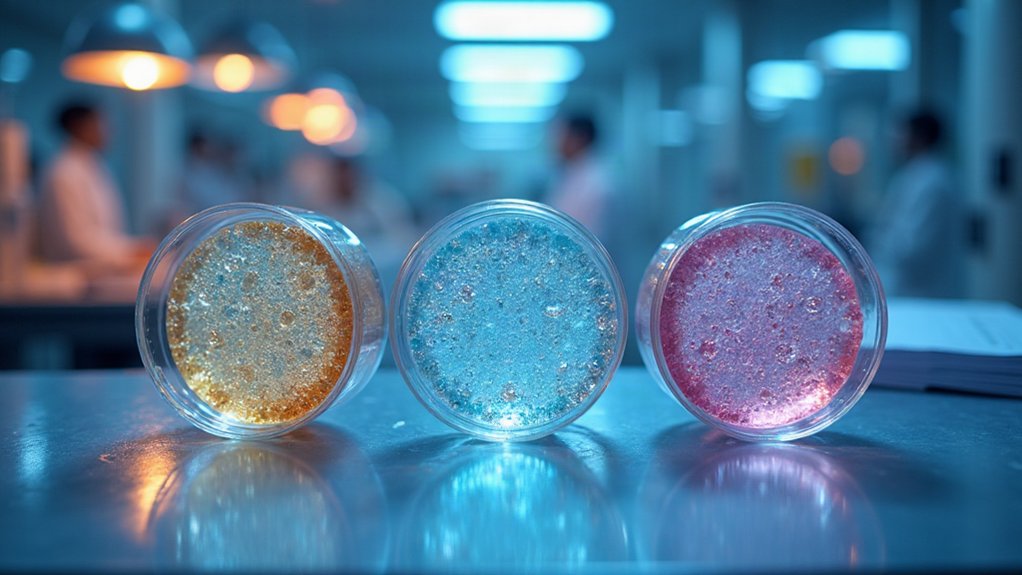
When considering stem cell options for hair loss, the primary differences lie in their sources and processing methods. Adipose-derived cells are taken from your own fat tissue through liposuction. In contrast, umbilical or placental cells come from donated birth tissue and are turned into standardized products. Dermal sheath cup cells are extracted directly from your hair follicles and then expanded in a lab.
These variations in sourcing and processing can influence your safety, the logistics of treatment, and how effectively the therapy addresses hair follicle biology.
With that in mind, it’s worth exploring how these different stem cell types might impact overall treatment outcomes.
Comparing Stem Cell Sources
When considering stem cell sources for treatment, it’s essential to understand the differences in origin, yield, and biological specificity. These factors can significantly influence your choice. Autologous sources, such as adipose-derived stem cells (ADSCs) and dermal stem cells (DSCs), come from your own tissue, which reduces the risk of immune rejection. In contrast, umbilical-derived cells are allogeneic, meaning they come from donors and may face more regulatory scrutiny.
ADSCs are typically harvested through a simple liposuction procedure, which results in a high yield of cells. This method is generally safe and well-tolerated.
On the other hand, DSCs are specifically committed to hair follicle development and are the basis for treatments like RCH-01 and S-DSC, making them particularly valuable for hair restoration.
Umbilical-derived cells offer a different advantage; they’re available off-the-shelf and possess a potent secretome, which includes growth factors and RNAs that can promote healing and regeneration. However, their composition can be variable, which may affect treatment outcomes.
Currently, it’s important to note that none of these stem cell products have received FDA approval for hair loss treatments. While some studies report modest improvements with these therapies, the evidence isn’t standardized, which means results can differ significantly from one patient to another.
Harvesting and Processing Differences
When considering the outcome of regenerative medicine treatments, it’s essential to understand how a clinic collects and processes cells. The method of harvesting can significantly influence the effectiveness of the therapy.
For adipose-derived cells, the process begins with a liposuction procedure, which is typically quick and convenient. After extraction, these cells are processed on-site into stromal vascular fraction (SVF) or expanded mesenchymal stem cells (MSCs). However, the quality of the outcome heavily relies on the clinic’s adherence to sterile techniques and processing standards.
In contrast, umbilical cord MSCs are sourced from donated tissue and processed in Good Manufacturing Practice (GMP)-compliant laboratories. This means they undergo stringent regulatory oversight, resulting in standardized, cryopreserved cell lots. This method ensures a higher level of quality control and consistency, which can be crucial for effective treatment.
Another option is dermal sheath cup cells, which require a small biopsy from the scalp. These cells are then expanded ex vivo to maintain their ability to induce hair follicle regeneration for future autologous reimplantation. Each of these methods impacts cell viability and functionality in different ways.
For instance, fresh SVF cells provide immediate paracrine activity, which can be beneficial in certain applications. On the other hand, expanded or banked cells offer more reliable dosing and consistent quality, making them a preferred choice for some treatments.
Understanding these differences in harvesting and processing can help you make informed decisions about your regenerative therapy options.
Exosomes Explained: Hair Science’s New Buzzword
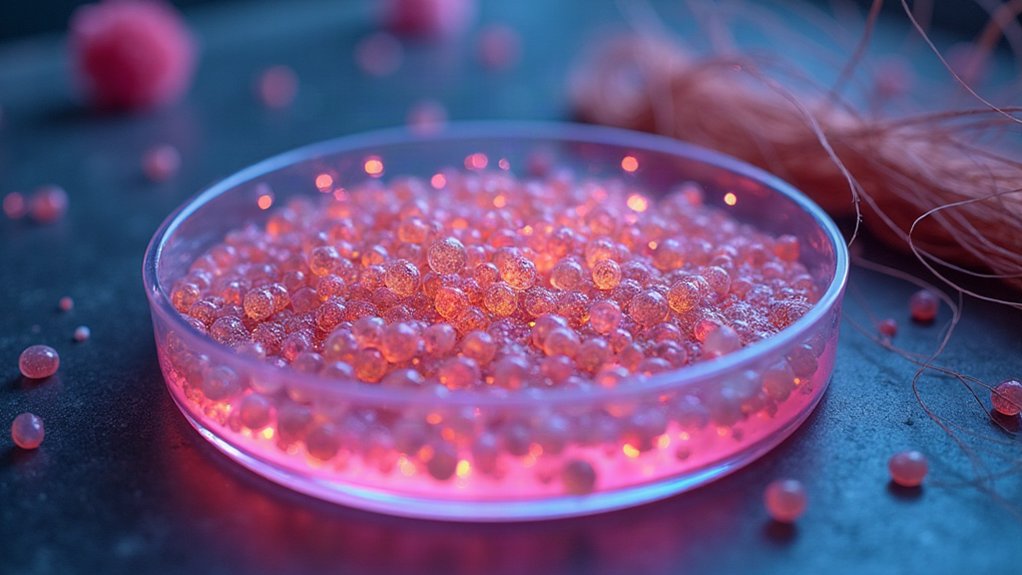
Exosomes are tiny vesicles, measuring between 30 and 150 nm, that play a significant role in cell communication.
They’re formed through a process called exosome biogenesis, where cells package proteins, lipids, and microRNA into these vesicles.
This cargo can influence the behavior of recipient cells, including hair follicle cells, potentially revitalizing dormant follicles and promoting hair growth.
In the field of hair science, researchers are particularly interested in exosomes derived from mesenchymal stem cells and dermal papilla cells.
These exosomes are believed to carry signals that can reactivate hair follicles, encouraging them to enter active growth phases.
Here are some important points to consider about exosomes in hair restoration:
- Cargo Engineering: Scientists can customize exosomes to deliver specific signals, such as those involved in the Wnt/β-catenin pathway, which is associated with cellular regeneration.
- Animal Studies: Research in animal models has shown promising results, including increased follicle proliferation and the induction of the anagen phase, which is the active growth stage of hair.
- Human Clinical Data: While animal studies are encouraging, clinical data in humans is still limited and often inconsistent due to varying study protocols.
- Regulatory Approval: Currently, no exosome-based product for hair loss has received FDA approval, which highlights the need for caution when considering these treatments.
- Product Testing: Many topical products claiming to utilize exosomes may not undergo rigorous sterility and potency testing, raising concerns about their effectiveness and safety.
If you’re considering exosome therapies for hair growth, it’s essential to consult with your healthcare provider.
Look for options that are supported by clinical trials and batch-verified for quality.
This approach will help ensure you’re making informed decisions based on reliable and trustworthy information.
What Do Clinical Studies Actually Show?

If you’re considering stem cell therapy for hair loss, it’s important to look at the actual data rather than just marketing claims. Initial studies indicate some positive results: one study noted a 29% increase in hair density that lasted for about 23 weeks, while another Phase 2a trial found that 31% of men experienced more than a 20% improvement in density.
However, these findings come from small, short-term studies, so they suggest potential rather than definitive, long-term solutions.
With that in mind, let’s explore what else the research says about hair loss treatments.
Hair Density Study Results
When evaluating the effectiveness of various hair density treatments, it’s important to look beyond marketing claims and focus on the actual data. The findings from multiple studies reveal a consistent yet moderate picture regarding hair density improvements.
For instance, a 2017 study conducted in Italy demonstrated a 29% increase in hair density after 23 weeks of treatment using autologous follicle stem cells (Gentile et al.). Additionally, research involving adipose-derived cell injections has shown promising density gains over a period of 3 to 6 months, although these studies often involve small sample sizes.
Another noteworthy study is the Phase 2a trial of Pelage PP405, where 31% of male participants experienced more than a 20% improvement in hair density. Platelet-rich plasma (PRP) therapy has become a common benchmark in this field, typically yielding density increases of 20% to 30% within a similar timeframe of 3 to 6 months.
However, it’s essential to note that many stem cell studies lack long-term outcomes and robust data on patient satisfaction. This suggests that while there’s real evidence supporting hair density improvements, these results are still in the early stages and may not guarantee lasting change.
Limited Trials, Early Evidence
The current landscape of clinical evidence is largely shaped by early-stage trials, which have yet to meet regulatory approval standards. As a result, we find ourselves with a series of pilot studies instead of a comprehensive body of conclusive data. Most of the evidence available stems from small-scale trials. For instance, a 2017 study from Italy reported a 29% increase in density over 23 weeks. Additionally, there are various pilot studies involving adipose-derived cells that observe effects over 3 to 6 months. Pelage’s PP405 Phase 2a trial noted that 31% of participants experienced significant improvement.
It’s important to recognize that these findings are preliminary and not definitive. There are methodological issues, such as varying protocols, unverified materials, and a lack of blinding, which hinder our ability to make direct comparisons across different studies or draw firm conclusions.
From the evidence available, we can expect temporary benefits, with effects typically appearing between 4 to 6 months and peaking around 12 to 18 months. However, we currently lack substantial data on how long these improvements might last. Understanding these nuances is crucial for anyone considering these treatments, as it helps set realistic expectations based on the existing research.
How Is PRP Different From Stem Cell Therapy?

Understanding the differences between PRP (Platelet-Rich Plasma) and stem cell therapy is essential for making informed decisions about treatment options. While both therapies aim to promote healing and regeneration, they operate through distinct mechanisms.
Source Material: PRP is derived from your own blood, concentrating the platelets that play a crucial role in healing. In contrast, stem cell therapy utilizes live cells, secretome, or exosomes, which can either come from your own body (autologous) or from a donor source (allogeneic), such as umbilical cord-derived mesenchymal stem cells.
Active Ingredients: The primary function of PRP lies in its growth factors, such as PDGF, TGF-β, and VEGF, which help stimulate tissue repair. Stem cell products, on the other hand, focus on delivering regenerative signals that can facilitate healing through paracrine mechanisms.
Timeline for Results: When considering PRP, patients typically see results within 3 to 6 months. Stem cell therapy, however, may require a longer timeline, with effects becoming noticeable between 4 to 18 months.
Evidence Base: It’s important to note that PRP has a solid foundation of peer-reviewed studies supporting its efficacy. Conversely, stem cell therapy is still largely experimental and not yet approved by the FDA, which means that its benefits and risks are still being researched.
How to Spot Unregulated Stem Cell Clinics

The stem cell therapy market can be challenging to navigate, especially with the presence of clinics that may exaggerate their capabilities. As of 2026, no stem cell or exosome product for hair loss has received FDA approval, so any clinic claiming to offer an “approved” cure should raise immediate concerns.
No FDA-approved stem cell or exosome treatment for hair loss exists—claims of an “approved” cure are a red flag.
Before making any decisions, it’s essential to verify whether the treatment program is part of a registered clinical trial or has appropriate Institutional Review Board (IRB) oversight. This ensures that there are ethical standards in place and that informed consent has been obtained.
It’s also wise to ask for documentation related to batch testing. This includes records that confirm the sterility, purity, and viability of the cells used in treatments. Additionally, ensure that there’s thorough donor screening documentation available.
Be alert for potential red flags. For instance, vague labeling can be a sign of unregulated practices. Similarly, if a clinic is marketing platelet-rich plasma (PRP) as “stem cell therapy” without clear distinctions, that’s a cause for concern. Clinics that don’t disclose the source of their cells or operate as medispas without licensed physicians should also be approached with caution.
Transparency is crucial. Look for clinics that provide published data and clear information about follow-up care. By staying informed and asking the right questions, you can make more educated decisions about stem cell therapies and ensure that you’re receiving safe and effective treatment.
What Does a Legitimate Treatment Protocol Look Like?

Understanding Legitimate Treatment Protocols
Once you have ruled out any concerning issues, it’s important to understand what constitutes a legitimate treatment protocol. Genuine treatment approaches are grounded in well-structured research and should meet specific criteria.
- Research Integrity: A legitimate protocol is often part of an Institutional Review Board (IRB)-approved trial or an FDA-regulated study. This ensures that the treatment is subject to rigorous ethical standards and oversight. Look for documentation regarding donor screening and chain-of-custody records, which guarantee that all materials used are safely and ethically sourced.
- Laboratory Standards: Treatments should be processed in labs that comply with FDA regulations. This includes thorough testing for sterility, endotoxins, purity, and cell viability before administration. Such standards help ensure that the treatment is both safe and effective.
- Defined Protocol: A credible treatment protocol clearly outlines critical details, such as the source of the cells, the exact dosage, injection depth, and the schedule for multiple treatment sessions. This clarity allows patients to know exactly what to expect.
- Informed Consent and Oversight: It’s essential that there’s physician oversight throughout the process. Patients should receive informed consent that details potential risks, alternative options, and the investigational nature of the treatment. This transparency is crucial for making informed decisions.
- Outcome Tracking: Effective protocols include standardized methods for tracking outcomes. This might involve techniques like phototrichometry, as well as scheduled follow-up visits to monitor progress. Consistent evaluation helps ensure that the treatment is having the intended effect.
How Much Does Stem Cell Hair Therapy Cost?

How Much Does Stem Cell Hair Therapy Cost?
Stem cell hair therapy is an innovative approach for addressing hair loss, but it’s essential to understand the financial implications before considering treatment. In the U.S., costs for these investigational procedures typically range from $3,000 to $25,000, depending on the specific treatment method you select.
For smaller to moderate areas, you can expect to pay between $3,000 and $10,000. If you require more extensive treatments or choose lab-expanded cell therapies, prices can escalate to between $15,000 and $25,000.
Factors that influence the final cost include the source of the stem cells, whether laboratory expansion or Good Manufacturing Practice (GMP) processing is necessary, batch testing, and any additional procedures you might opt for, such as PRP (platelet-rich plasma) therapy or microneedling.
It’s important to note that, as none of these therapies are FDA-approved, they aren’t covered by insurance, meaning you’ll need to pay out of pocket. Transparency in pricing is crucial, so make sure to inquire about all potential costs before committing to a program.
Additionally, consider the long-term affordability; multiple sessions might be required to achieve and maintain the desired results.
Are Stem Cell Hair Results Permanent?
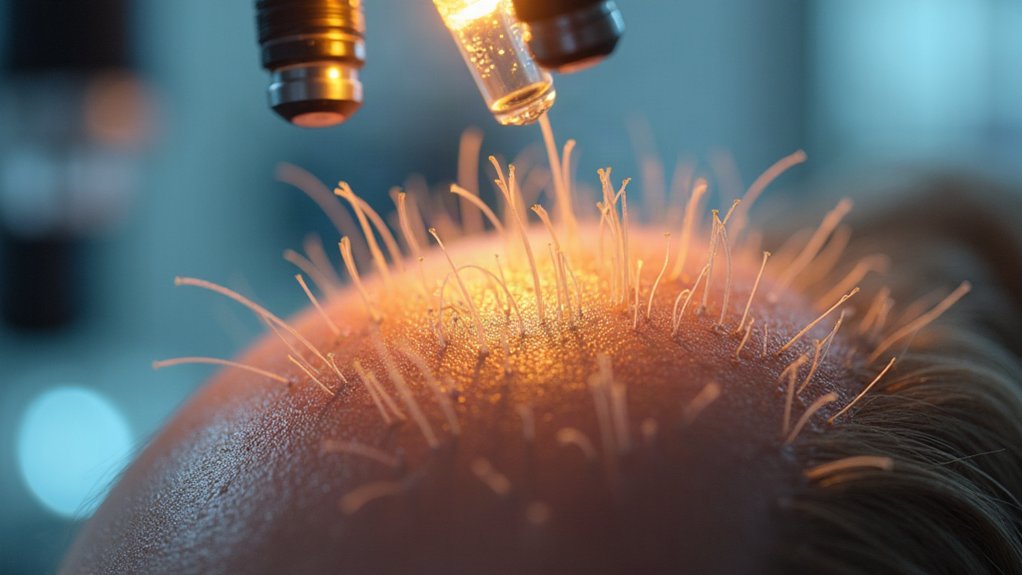
Are Stem Cell Hair Results Permanent?
As of 2026, it’s important to note that no stem cell or exosome treatments for hair loss have received FDA approval. This means that robust long-term data confirming permanent results is currently lacking. However, there’s evidence suggesting that these treatments can provide modest and meaningful improvements in hair density, often requiring ongoing maintenance to sustain those results.
Here are some key insights from the research:
- Hair Density Gains: In small clinical trials, participants have experienced an average increase in hair density of about 29–31%. This can be a significant improvement for many individuals.
- Timing of Benefits: Most users typically begin to notice benefits within 4 to 6 months of treatment. This timeframe may vary, but it’s a general benchmark for those considering stem cell therapies.
- Study Duration: Many studies only track results for 12 to 18 months, which means that we still have limited information on the long-term effectiveness of these treatments.
- Safety of Autologous Methods: Treatments that use a person’s own cells (autologous methods) tend to be safer but often necessitate repeat sessions to maintain results.
- Mechanisms of Action: Paracrine-based therapies appear to extend the anagen phase of hair growth rather than leading to the creation of new hair follicles. This is an important distinction to understand.
True follicle neogenesis, or the creation of new, self-sustaining hair follicles, remains experimental. Widespread clinical availability of such technology is unlikely before the 2030s. Therefore, it’s best to view current stem cell and exosome treatments as management tools rather than permanent solutions.
Frequently Asked Questions
Does Stem Cell Therapy Really Regrow Hair?
You’ll see modest density gains, not true regrowth—it’s not hair cloning or full follicle engineering yet. Your existing follicles get stimulated via growth factors; completely bald, scarred areas won’t respond. Results remain variable, short-term, and unapproved by the FDA.
What Did Elon Musk Use to Regrow His Hair?
Roughly 90% of transplant-attributed regrowth follows standard FUT/FUE timelines—not experimental protocols. You’re likely seeing celebrity speculation outpace evidence: Musk’s treatment timeline aligns with conventional hair transplantation, not documented stem cell or exosome therapy.
Will Baldness Be Cured by 2026?
No, you won’t see baldness cured by 2026. You’re looking at future timelines stretching into the 2030s, with genetic ethics debates still unresolved. Current stem-cell options remain investigational, offering modest improvement rather than guaranteed restoration.
How Much Does Stem Cell Hair Regeneration Cost?
You’ll pay $3,000–$25,000 per course—a staggering range reflecting unregulated pricing. Since no therapies are FDA-approved, costs stem from investigational clinical trials and limited treatment access. You should weigh these expenses against proven, more affordable alternatives first.