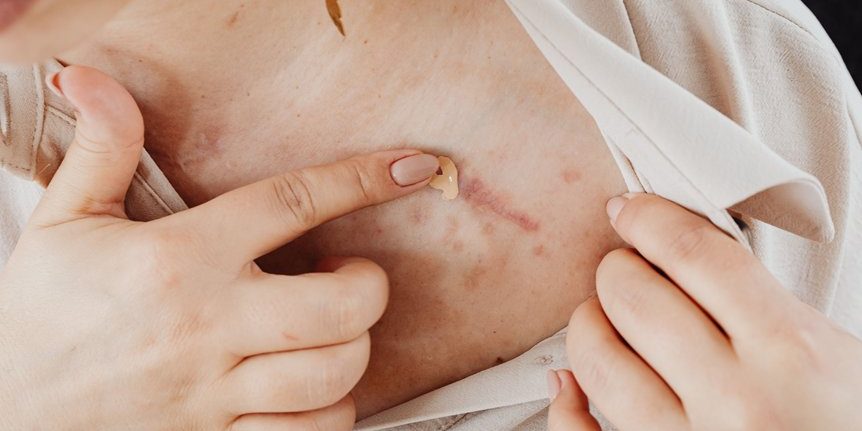
Are you exploring options for wound care and wondering about skin grafts versus stem cell therapy? You’re not alone—many people face the challenge of healing wounds and want to know the best approach for their situation.
Understanding the differences between these two methods is crucial, especially since they serve different needs. Skin grafts can be a solution for larger wounds by providing a physical cover and facilitating healing through reconnecting blood vessels. On the other hand, stem cell therapy harnesses the power of your body’s own repair mechanisms, aiming to kickstart healing in stubborn, chronic wounds.
Curious about which option might be right for you? Let’s dive deeper into how each method works and what might suit your healing journey best.
What’s the Difference Between Skin Grafts and Stem Cell Therapy?
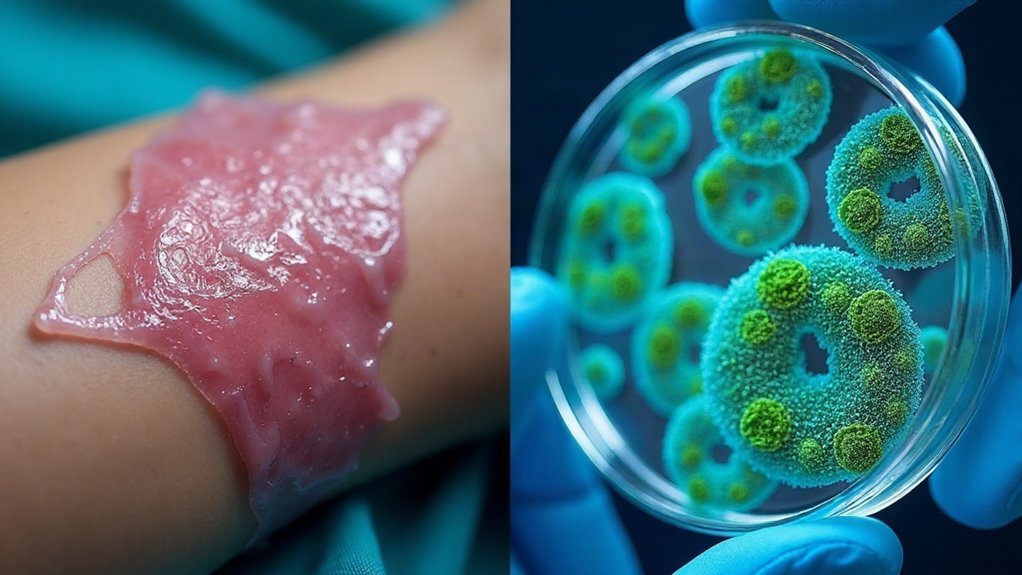
Skin grafts and stem cell therapy are two distinct approaches used in treating skin injuries and conditions. Understanding their differences can help you make informed decisions about treatment options.
Skin Grafts are surgical procedures that involve transplanting skin from one area of the body (autograft) or using skin from a donor (allograft) to cover a wound. This method replaces the missing layers of skin—the epidermis and dermis.
For a skin graft to be successful, it requires a healthy, well-vascularized wound bed. The success of the graft primarily depends on its ability to establish blood supply, rather than on cellular signaling.
In contrast, Stem Cell Therapy involves administering isolated cells, often derived from adipose (fat) tissue or bone marrow. These stem cells have the potential to aid healing by releasing signaling molecules (cytokines) that promote tissue repair and support the formation of new blood vessels (neovascularization).
Unlike skin grafts, stem cell therapy focuses on enhancing the body’s natural healing processes rather than directly replacing tissue.
Most bioengineered skin substitutes function as scaffolds, providing structural support and growth factors, but they typically don’t contain living therapeutic cells unless specifically designed that way. Skin grafts usually require a one-time surgical procedure but do have considerations regarding donor sites, while stem cell therapies necessitate specialized preparation and storage.
Additionally, the regulatory environments for these treatments differ. Skin grafts are generally governed by established surgical practices, while stem cell therapies are subject to evolving regulations and may have limited high-quality clinical evidence supporting their use.
How Do Skin Grafts Heal Wounds?
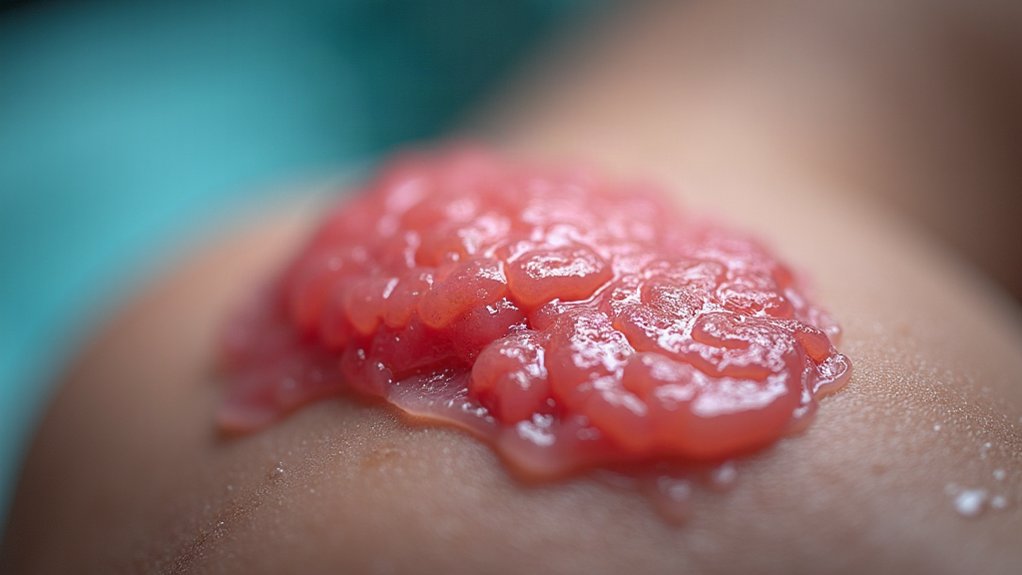
Skin grafts heal wounds through a process known as inosculation. This occurs when the blood vessels from the graft connect with those in the wound bed, establishing circulation within just a few days. For this process to succeed, the wound bed must be well-vascularized. If the base of the wound isn’t clean and adequately perfused, the graft may struggle to survive due to a lack of revascularization.
Several key factors influence the healing outcome of a skin graft:
- Wound Bed Quality: A well-vascularized and debrided wound base is essential for new blood vessels to grow into the graft. Ensuring that the wound is clean promotes better healing.
- Immobilization: Keeping the area stable is crucial in the early stages of healing. Movement can disrupt the delicate connections that form between the graft and the wound bed.
- Infection Control: Managing bacterial contamination is vital. Infection can hinder revascularization and lead to graft failure, so maintaining a sterile environment is important.
- Systemic Health: Your overall health plays a significant role in graft integration. Conditions such as diabetes, smoking, and poor circulation can negatively affect your body’s ability to support the graft.
For split-thickness skin grafts (STSGs), healing is generally considered complete when there’s 90–100% reepithelialization. Achieving 100% coverage indicates that the graft has fully integrated with the surrounding tissue.
Understanding these factors can help improve the success of skin grafts and ensure effective healing.
How Does Stem Cell Therapy Heal Wounds?
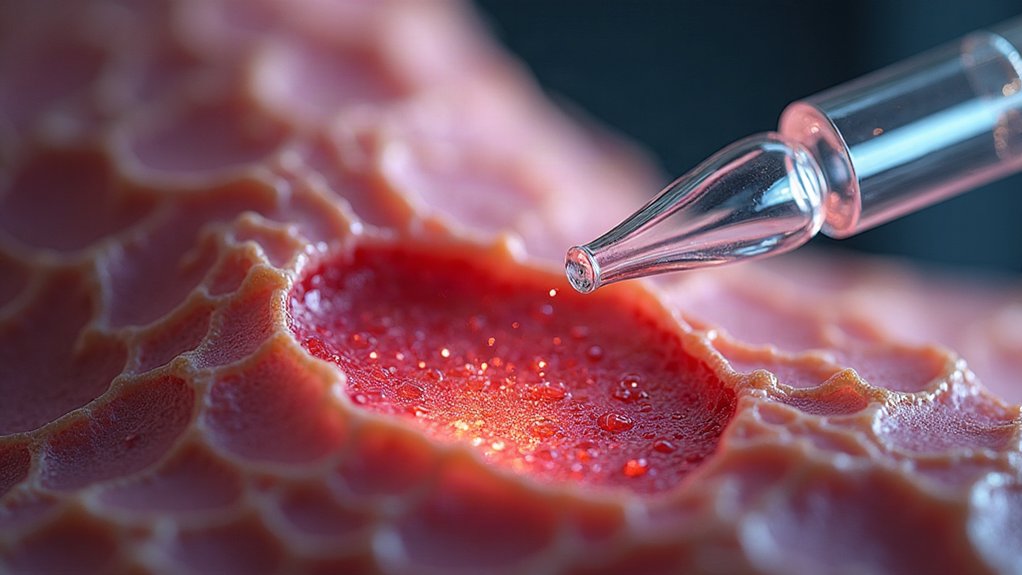
Unlike skin grafts, which use transplanted tissue to cover a wound, stem cell therapy takes a different approach. It utilizes cells—often mesenchymal stem cells from adipose tissue or bone marrow—to support your body’s natural healing processes. These cells release cytokines and growth factors, such as VEGF, which help reduce inflammation, promote the formation of new blood vessels, and attract healing cells to the wound area.
By playing a role in each stage of healing—like inflammation, proliferation, and remodeling—stem cells not only help close the wound but also support the regeneration of healthier tissue with improved blood flow and reduced scarring.
This method of healing leads us to consider the broader implications of stem cell therapy in regenerative medicine.
Stem Cell Sources and Types
Before clinicians can utilize stem cells for wound healing, they need to carefully consider the source of these cells. The choice of stem cell source is crucial, as it influences their differentiation capacity, safety profile, and delivery methods.
1. Bone Marrow MSCs: Mesenchymal stem cells (MSCs) from bone marrow are among the most studied. They’re adult stem cells with a well-established isolation process, making them a reliable option for therapeutic applications.
2. Adipose MSCs: These stem cells are obtained from fat tissue. Adipose-derived MSCs are known for their ability to promote the formation of new blood vessels, or neovascularization, by differentiating into endothelial-like cells and secreting vascular endothelial growth factor (VEGF).
This makes them a valuable choice for wound healing.
3. Amniotic and Dermal MSCs: These sources provide accessible alternatives with similar multilineage potential. They often involve fewer complications during the harvesting process, making them practical options for clinicians.
4. Pluripotent Sources: Embryonic stem cells and induced pluripotent stem cells (iPSCs) can theoretically differentiate into any cell type, including skin cells. However, ethical considerations and safety concerns limit their routine use in clinical settings.
In practice, many clinical applications lean towards using adult MSCs due to their ease of isolation and lower associated risks. It’s important to note that the therapeutic benefits of stem cells often arise from their paracrine signaling—where they secrete factors that aid in healing—rather than from the cells permanently integrating into the tissue.
Promoting Wound Repair Phases
Once you’ve chosen a stem cell source, understanding how these cells facilitate wound repair is essential. Stem cells play a crucial role by secreting cytokines and growth factors that guide the healing process through overlapping phases. The journey begins with inflammation modulation, which is vital for addressing excessive immune responses often seen in chronic wounds, such as diabetic ulcers.
Here’s a breakdown of the healing phases and how stem cells contribute:
| Healing Phase | Stem Cell Action |
|---|---|
| Inflammation | Stem cells modulate cytokine release, helping to reduce chronic inflammation. |
| Proliferation | They stimulate angiogenesis through vascular endothelial growth factor (VEGF), which accelerates the reepithelialization process. |
| Remodeling | Stem cells drive matrix remodeling by secreting matrix metalloproteinases (MMPs). |
| Overall | They recruit native cells and support transitions between healing phases. |
Mesenchymal stem cells (MSCs), including adipose-derived stem cells (ASCs), can differentiate into endothelial-like cells. This differentiation is important for neovascularization, which is crucial for the survival of grafts. While preclinical research shows promise, it’s important to note that human trials have varied widely. Ongoing research aims to identify the most effective cell types and delivery methods.
Understanding the roles of stem cells in wound repair can enhance treatment strategies and ultimately improve patient outcomes. As research progresses, we can look forward to more refined applications of these innovative therapies.
Which Wounds Need Skin Grafts vs. Stem Cell Therapy?
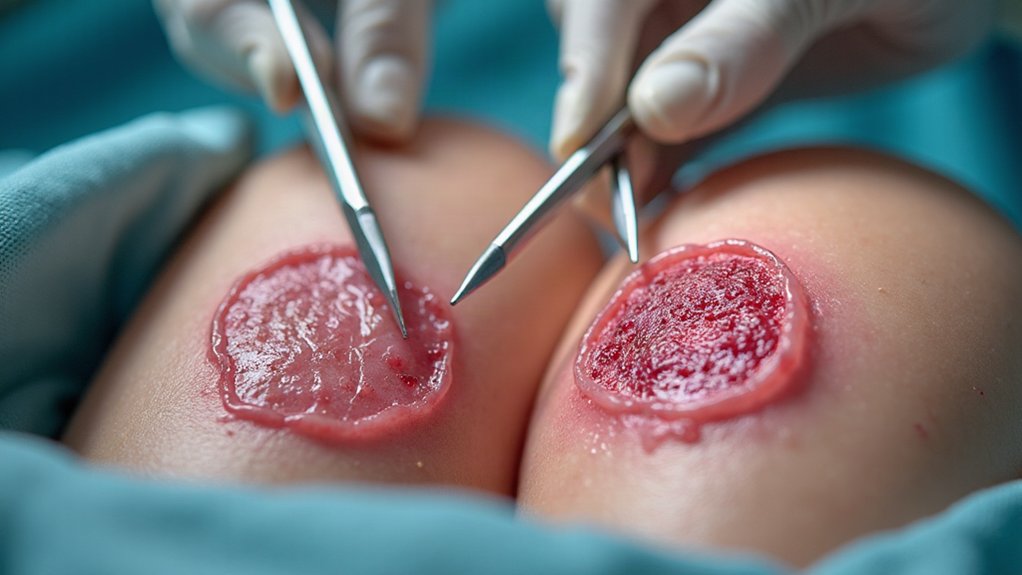
Not all wounds respond the same way to treatment, and finding the right approach depends on factors like the wound’s size, depth, and blood supply.
For large, clean, and well-vascularized acute wounds or burns, a traditional autologous skin graft is often the best option for effective closure. On the other hand, if you’re dealing with chronic, nonhealing wounds that haven’t improved after 4–6 weeks of standard care, it might be time to consider different strategies.
In these cases, stem cell therapies or bioengineered substitutes can help address issues like impaired healing and poor blood flow, making them more suitable than conventional grafting.
This brings us to the advancements in wound care that could offer new hope.
Large Wounds Needing Grafts
Understanding Large Wounds Needing Grafts
When dealing with large, full-thickness burns, significant soft-tissue loss, or major surgical defects, effective wound coverage is crucial. Autologous skin grafts are often the most reliable solution for these cases.
Here’s a closer look at why skin grafts are essential for healing large wounds.
- Full-thickness Coverage: Autologous skin grafts, whether split- or full-thickness, provide complete replacement of missing skin layers. This is essential for restoring the protective barrier of the skin, which adjunctive treatments, like stem-cell therapies, can’t achieve at this scale.
- Importance of Vascularized Wound Beds: The success of skin grafts heavily relies on a well-vascularized wound bed. Adequate blood supply promotes graft survival and integration, significantly lowering the risk of graft failure. This means that ensuring proper blood flow to the area is a critical factor in the healing process.
- Challenges with Donor Scarcity: In cases of extensive burns, the availability of donor skin can be limited. When traditional donor sites are insufficient, combining grafts with tissue-engineered constructs may be necessary to achieve effective coverage.
- Role of Substitutes: While stem-cell therapies are an exciting area of research, they’re still considered investigational and shouldn’t replace skin grafts for large, exposed wounds that require immediate closure. Grafts remain the gold standard for addressing these complex scenarios.
Chronic Wounds and Stem Cells
Chronic wounds, such as diabetic foot ulcers, venous leg ulcers, and pressure injuries, often pose a significant challenge in wound care. Unlike acute wounds, which typically require immediate and complete coverage, chronic wounds are often not due to a lack of tissue but rather a deficiency in the healing process. If a wound hasn’t shown improvement after 4–6 weeks of standard treatment, it’s essential to consider alternative therapies.
Stem cell therapy, particularly using mesenchymal or adipose-derived stem cells, offers a promising solution for chronic wounds. These stem cells play a crucial role in healing by promoting immune modulation and remodeling the extracellular matrix. They secrete cytokines that encourage angiogenesis, which is the formation of new blood vessels, and help restore a balanced inflammatory response. This biological approach addresses the underlying issues that prevent healing, rather than just covering the wound.
Traditional skin grafts require a clean, well-vascularized wound bed, which chronic wounds often lack. Therefore, choosing the right treatment depends on whether the primary need is for structural coverage or for correcting the biological processes that hinder healing.
Choosing the Right Treatment
Choosing the Right Treatment: Skin Grafts vs. Stem Cell Therapy
When deciding between a skin graft and stem cell therapy, it’s crucial to focus on the wound’s physiology rather than just its size or location. Here are important factors to consider:
- Wound Duration and Response to Standard Care: If a wound hasn’t improved after 4–6 weeks of standard treatments such as debridement, infection control, and offloading, it may be classified as chronic. In such cases, bioengineered substitutes or stem cell therapy could be more appropriate options.
- Vascular Status: The vascular condition of the patient plays a significant role in treatment choice. If there’s poor blood flow or peripheral artery disease, skin grafts can carry higher risks. In these situations, less invasive options like stem cell therapy may be safer and more effective.
- Surgical Risk and Comorbidities: A patient’s overall health, including conditions like diabetes or a history of smoking, will influence the choice of treatment. Understanding these comorbidities helps in assessing which approach the patient can safely tolerate.
- Patient Preferences and Cost Considerations: Ultimately, your preferences, recovery timelines, and budget are important factors in this decision. It’s essential to weigh these personal considerations alongside the clinical evidence to determine whether to pursue definitive coverage through grafts or opt for regenerative therapies like stem cells.
Is Stem Cell Therapy Approved for Wound Care?
Is Stem Cell Therapy Approved for Wound Care?
Stem cell therapy has shown promise in the field of wound care, particularly based on preclinical and early-phase clinical research. However, as of now, it hasn’t received broad regulatory approval for routine use. Currently, no stem cell product has widespread FDA clearance for general wound care applications. Most therapies are still limited to clinical trials, compassionate-use programs, or minimally manipulated autologous procedures that are under ongoing regulatory review.
Research indicates that stem cells can help reduce inflammation, promote the formation of new blood vessels (angiogenesis), and assist in the healing of skin (reepithelialization). Despite these benefits, the existing studies often vary in design and typically involve small sample sizes. This variability makes it challenging to draw conclusive statements about the overall safety and effectiveness of stem cell therapies for wounds.
The cautious regulatory environment reflects the need for larger, more standardized studies to further evaluate these therapies. If you’re considering stem cell therapy for wound care, it’s important to stay informed. You can check ClinicalTrials.gov for ongoing studies related to “burns stem cells” or “wound stem cells.”
Additionally, consult with your healthcare provider to verify the regulatory status of any specific product and to discuss the evidence supporting its use.
What Are the Risks of Each Treatment?
Understanding the Risks of Wound-Healing Treatments
When it comes to wound healing, it’s important to recognize that every treatment option carries its own set of risks. Skin grafts, for instance, can be effective but come with specific complications that you should be aware of.
One significant concern is donor morbidity. This refers to potential issues such as pain, infection, and scarring at the site where the graft is taken. Additionally, there’s the risk of graft failure, which can occur due to inadequate blood supply, particularly in individuals with conditions like diabetes, neuropathy, or peripheral artery disease. The use of anesthesia and the need for careful postoperative monitoring can also add to the overall burden of this procedure.
Alternative treatments, such as stem cell and tissue-engineered options, also introduce their own risks but in different ways:
- Acellular substitutes can sometimes fail or produce less-than-ideal cosmetic results, which may require multiple applications to achieve satisfactory outcomes.
- Cellular constructs might provoke immunologic reactions and exhibit variability in how well they integrate with the body, although their failure rates are comparable to those of split-thickness skin grafts (STSG).
- Stem cell products require careful handling and come with challenges related to quality control, which can affect their effectiveness.
- Furthermore, shared risk factors such as smoking, uncontrolled diabetes, infection, and inadequate wound preparation can compromise the success of any treatment option you choose.
Frequently Asked Questions
What Is the History of Skin Grafting?
You’ll find skin grafting origins trace back to ancient India’s Sushruta around 600 BCE, with major surgical milestones in 19th-century Europe, then standardized split- and full-thickness techniques emerging during World Wars I and II treatment efforts.
What Is the Role of Stem Cells in Skin Regeneration?
Your stem cells drive skin regeneration by activating stem cell niches that self-renew and differentiate into keratinocytes, fibroblasts, and endothelial cells, while paracrine signaling releases growth factors that reduce inflammation and accelerate tissue repair.
Can You Use Cadaver Skin for Skin Grafts?
Yes, you can borrow someone else’s skin—ironically, a stranger’s tissue temporarily becomes yours. Cadaver sourcing involves rigorous screening protocols addressing ethical concerns around consent and disease transmission. You’ll benefit from wound protection, though your body eventually rejects this temporary biological dressing.
Does Insurance Pay for Skin Grafts?
Yes, your insurance coverage typically pays for medically necessary skin grafts, but you’ll need to meet specific reimbursement criteria—documented wound measurements, photos, and prior conservative treatment. Always confirm preauthorization requirements with your insurer before proceeding.