
Are you considering stem cell therapy for a health issue? You’re not alone—many people are exploring this promising field, hoping for new solutions. However, navigating the world of stem cell treatments can be tricky, especially when it comes to understanding what’s officially approved and what isn’t.
Right now, the FDA has specific approvals primarily for certain blood-related conditions, but there’s a lot more happening in clinics that you might not be aware of. It’s crucial to know what this means for you. The distinction between approved therapies and those operating under different regulations can impact your treatment options and safety. Curious to learn more about what’s out there and how to identify trustworthy care? Let’s dive in.
What Does “FDA-Approved” Actually Mean for Stem Cell Therapy?

When you come across the term “FDA-approved” in relation to stem cell therapy, it’s important to understand what it really signifies. This designation indicates that a stem cell product has undergone rigorous evaluation through the FDA’s Section 351 biologic pathway. This process includes submitting an Investigational New Drug (IND) application and a Biologics License Application (BLA).
These applications require comprehensive evidence demonstrating the treatment’s safety, purity, and effectiveness, all verified through controlled clinical trials and a thorough review by the FDA.
Real approval means proof—safety, purity, and effectiveness confirmed by controlled trials and rigorous FDA review, not just claims.
Understanding this regulatory framework is crucial. It helps distinguish scientifically validated therapies from those that may use persuasive marketing without substantial evidence backing their claims.
Currently, only a limited number of stem cell-based products meet these stringent requirements. Most of these are hematopoietic stem cell transplants and a few specific cellular therapies used for particular conditions.
If a healthcare provider can’t provide a specific IND or BLA number, it’s a sign that the product may not be FDA-approved. In such cases, you might be looking at an unverified treatment rather than an established medical option. Always seek clarity and ensure that any stem cell therapy you consider has the appropriate regulatory backing for your safety and peace of mind.
Which Stem Cell Treatments Are FDA-Approved Today
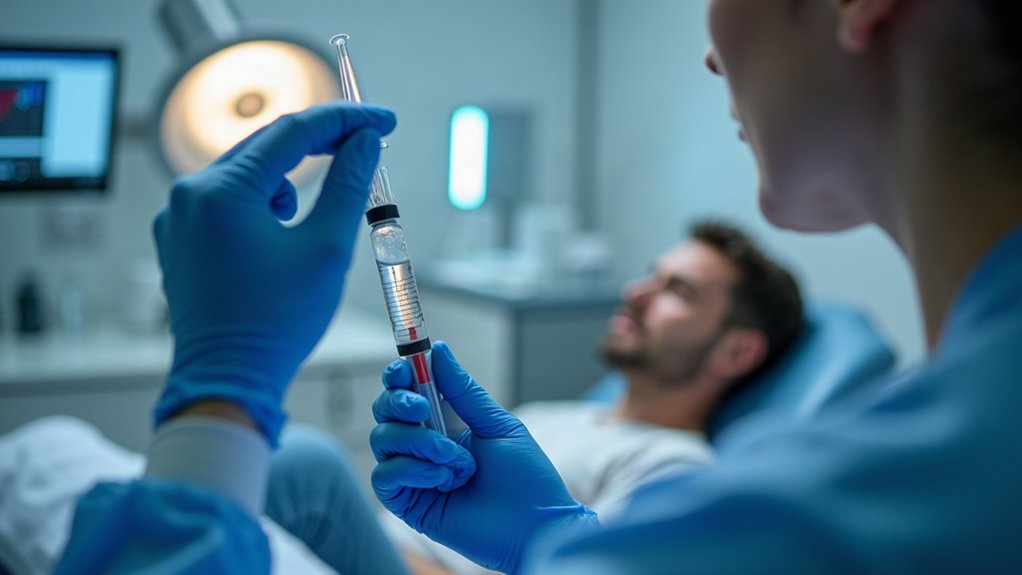
If you’re interested in FDA-approved stem cell treatments available today, you’ll primarily find them focused on hematopoietic applications—specifically hematopoietic stem cell transplantation (HSCT) and certain cord blood products used for treating blood cancers and some genetic blood disorders.
These approvals are based on years of clinical data showing safety and effectiveness for restoring blood cell production, rather than broader regenerative uses.
Outside of these specific areas, there are currently no FDA-approved treatments involving exosomes, stromal vascular fractions, or live amniotic/placental cell products, despite what some marketing materials may suggest.
With that in mind, let’s explore what’s happening in the field of stem cell research and potential future developments.
Approved Blood-Related Therapies
The FDA’s approvals for stem cell therapies primarily focus on blood-related applications, particularly for conditions like leukemia, lymphoma, and inherited blood disorders. If you’re in need of treatment, your main options will involve hematopoietic stem cell transplantation (HSCT) using either donor bone marrow or cord blood-derived cells. These therapies are designed to rebuild your blood and immune system after treatments like chemotherapy or radiation that target diseased cells.
Cord blood units, which are collected at birth, undergo strict FDA regulations and must be matched with the recipient to ensure compatibility before transplantation. Here’s an overview of the approved therapies:
| Therapy Type | Source | FDA Status |
|---|---|---|
| Allogeneic HSCT | Donor bone marrow | Approved |
| Autologous HSCT | Your own marrow | Approved |
| Cord Blood Transplant | Banked cord units | Approved |
| MSC Therapy | Various tissues | Investigational |
While these therapies have been validated for use, options outside of hematopoietic treatments are still limited in terms of FDA approval. It’s essential to consult with a healthcare professional to understand the best treatment options available for your specific condition.
Emerging Regenerative Medicine Applications
Regenerative medicine encompasses a wide array of stem cell applications, extending well beyond blood disorders. However, it’s crucial to understand that not all of these applications have received FDA approval. Currently, products derived from cord blood, amniotic fluid, placental tissue, exosomes, and stromal vascular fraction (SVF) aren’t approved for orthopedic or general regenerative uses.
The process of translating these products into clinical practice is still ongoing. Many have yet to complete the necessary clinical trials to demonstrate their safety and efficacy. Specifically, any product that undergoes significant manipulation—such as cultured cells, expanded mesenchymal stem cells (MSCs), exosomes, or SVF—falls under the Section 351 biologics regulation. This means that before these products can be marketed, they must receive an Investigational New Drug (IND) application and a full biologics license.
It’s also worth noting that certain biomaterial integration techniques employed in some clinics don’t alter these regulatory requirements. While there are limited exceptions for autologous, minimally manipulated procedures performed on the same day under Section 361, many of the treatments promoted in the market don’t meet this strict criterion.
Why Most Stem Cell Clinics Are Still Experimental

Most stem cell products require significant manipulation, such as culturing, enzymatic digestion, or processing into forms like stromal vascular fraction, exosomes, or amniotic live-cell preparations. Because of this, these products are classified under Section 351 of the Public Health Service Act. This classification means they require an Investigational New Drug (IND) application and formal FDA approval before they can be marketed. Clinics that avoid these regulations often promote unapproved therapies, which can lead to FDA warning letters and enforcement actions against them for making unverified claims about safety and efficacy.
Only certain procedures, specifically autologous, same-day treatments that don’t involve culture or enzymatic processing, might qualify for the narrower Section 361 exception. However, even in these cases, any claims regarding “live” cellular activity could lead to a reclassification that requires more stringent oversight.
The experimental status of many stem cell therapies arises from genuine uncertainties about how these cells differentiate and how gene regulation works. Without long-term monitoring through controlled clinical trials, it’s challenging to confirm the safety and durability of these treatments. Understanding these regulations and the importance of rigorous testing is crucial for anyone considering stem cell therapies. It helps ensure that you’re making informed decisions based on validated science rather than unproven claims.
Section 361 vs. 351: The Loophole Clinics Rely On

At the center of the regulatory landscape for stem cell therapies is a nuanced legal distinction between Section 361 and Section 351 of the Public Health Service Act. Many clinics navigate this divide by leveraging a specific legal framework.
Section 361 allows for the unapproved use of your own cells under particular conditions: the cells must undergo minimal manipulation and be used in a homologous manner.
Minimal manipulation and homologous use aren’t just technicalities—they’re the legal line between your own cells and an unapproved drug.
Clinics often utilize the same-day exception, which permits them to process your cells without culturing, digesting, or expanding them. This approach helps them avoid the stringent FDA approval requirements associated with Section 351.
However, it’s essential to understand that this loophole is quite narrow. If a clinic engages in any of the following practices, it risks losing the protections offered by Section 361:
- Enzymatic Digestion: If the clinic uses enzymes like collagenase to isolate cells, this action can classify the treatment under Section 351.
- Cell Expansion or Concentration: When clinics culture or concentrate cells into a stromal vascular fraction (SVF), it shifts the treatment into the realm of Section 351, which requires a more rigorous approval process.
- Claims of Metabolic Activity: If the clinic asserts that your cells remain “alive” with metabolic activity post-processing, this can also push the treatment into Section 351 territory.
Understanding these distinctions is crucial for anyone considering stem cell therapies. It’s advisable to seek clinics that provide clear information about their practices and compliance with FDA regulations. Being informed empowers you to make better decisions regarding your treatment options.
Real Risks of Unapproved Stem Cell Treatments
Once a clinic takes advantage of the Section 361 loophole, it’s not just bending the rules—there are real dangers involved.
Documented issues include infections, immune reactions, tumors, and even blindness. These aren’t just hypothetical risks; they’re outcomes that the FDA has recorded in adverse event reports and warning letters.
Unfortunately, marketing materials often highlight potential benefits while downplaying or completely omitting these risks, which can leave you making treatment decisions without all the necessary information.
This brings us to the importance of understanding why regulation matters.
Let’s explore how proper oversight can help ensure safety in medical treatments.
Unproven Treatments, Real Dangers
Understanding the Risks of Unproven Stem Cell Treatments
Stem cell injections are often marketed as innovative solutions for various chronic conditions, but many of these clinics operate without oversight from the Food and Drug Administration (FDA). It’s important to recognize that the FDA has issued warnings and taken enforcement actions against providers making unsubstantiated claims. This lack of regulation raises significant concerns, especially for patients who are seeking relief from debilitating health issues.
Many products, such as stromal vascular fraction (SVF), amniotic tissue, and exosomes, are classified as “more-than-minimally manipulated.” This classification means they require an Investigational New Drug (IND) application and Section 351 approval from the FDA before they can be used legally. When treatments are offered without this level of oversight, patients may face serious risks, which have been well-documented. These risks include:
- Infections and Immune Reactions: Unregulated treatments can lead to severe infections or unexpected immune responses.
- Tumor Formation: There’s evidence that certain injection sites may develop tumors, posing additional health threats.
- Vision Loss and Hospitalization: In some cases, patients have experienced significant complications, including vision loss, leading to hospitalization.
Before consenting to any stem cell treatment, it’s crucial to ensure that it has been validated by the FDA or is part of an active clinical trial. Relying solely on marketing claims can be misleading.
Always seek out clear and credible information about the treatment’s safety and efficacy.
When Marketing Misleads Patients
Understanding Marketing Misleading Patients in Regenerative Medicine
When considering treatments like stromal vascular fraction (SVF), amniotic tissue, or exosome products, it’s important to be aware of how marketing can sometimes mislead patients. Some clinics may present these products using regulatory language that sounds reassuring. However, many of these treatments aren’t broadly approved by the FDA, which can lead to confusion about their true regulatory status.
One common tactic is to highlight the terms “autologous” or “same-day” processing, suggesting that these practices exempt them from regulatory oversight. In reality, techniques like enzymatic digestion or cell culturing can trigger the more stringent 351 pathway, which requires closer regulatory scrutiny. Additionally, marketing may label cells as “live,” but this classification often necessitates an Investigational New Drug (IND) approval.
To navigate this complex landscape, it’s crucial to ask direct questions about the regulatory status of your treatment. Specifically, inquire whether the procedure is operating under an approved IND or Biologics License Application (BLA). Clear answers to these questions can help you better understand the legitimacy of the treatment being offered.
Red Flags in Stem Cell Clinic Marketing

Understanding Red Flags in Stem Cell Clinic Marketing
When it comes to stem cell treatments, it’s essential to be informed about the claims made by clinics, especially regarding live umbilical cord, amniotic, placental cell, or exosome therapies. Currently, there are no Section 351-approved biologics for these treatments. Therefore, any clinic that claims “FDA approval” for these products isn’t accurately representing their regulatory status. This kind of claim should raise immediate concerns, as it signals a potential compliance issue.
Here are three key red flags to watch for when evaluating stem cell clinics:
- Guaranteed Cures: Be cautious of any clinic that promises guaranteed cures without discussing potential risks or alternative treatment options. Responsible medical practices should always provide a balanced view of outcomes, including what might go wrong.
- “Minimally Manipulated” Claims: If a clinic claims its products are “minimally manipulated” but uses culturing, enzymatic processing, or prepares stromal vascular fraction (SVF) or exosomes, this could be misleading. Understanding how a treatment is processed is crucial, as it impacts the safety and efficacy of the therapy.
- Experimental Labeling: Some clinics label their treatments as “experimental” to justify high cash prices. However, this shouldn’t be an excuse for sidestepping necessary regulatory oversight, such as Investigational New Drug (IND) status or Institutional Review Board (IRB) approval. Always ask about the specific regulatory status of any treatment.
Additionally, be wary of clinics that rely on testimonials rather than peer-reviewed research to support their claims. Legitimate clinics should provide evidence from clinical studies, ideally with identifiers from ClinicalTrials.gov to demonstrate compliance with FDA protocols.
How to Check a Clinic’s Stem Cell Regulatory Status

Before pursuing any stem cell treatment, it’s essential to verify the clinic’s regulatory status to ensure safety and compliance. This involves looking beyond marketing claims and focusing on direct documentation.
Don’t rely on marketing claims alone—verify a clinic’s regulatory status through direct documentation before pursuing any stem cell treatment.
Start by understanding the regulatory framework. Stem cell products typically fall into two categories: those that require an Investigational New Drug (IND) application or Biologics License Application (BLA) under Section 351, and those that may be exempt under Section 361, which involves minimal manipulation and same-day use.
To verify the clinic’s compliance, you can consult several resources:
- FDA Resources: Review the FDA’s Enforcement Reports, along with the Guidance pages for Over-the-Counter (OTC) products and Human Cells, Tissues, and Cellular and Tissue-Based Products (HCT/Ps). The HCT/P database can also provide insights into registered products.
- Request Documentation: Ask the clinic for specific clinical documentation, such as an IND number, BLA approval letters, or evidence of Section 361 registration under 21 CFR 1271. It’s crucial to verify these credentials independently through FDA databases or by submitting a Freedom of Information Act (FOIA) request if necessary.
- Clarify Treatment Details: Confirm whether the stem cells used in the treatment are autologous (from the patient), minimally manipulated, or cultured and enzymatically treated. Products that involve expansion typically require oversight under Section 351, making this distinction important for your safety.
- Cross-Check Additional Resources: Utilize ClinicalTrials.gov to see if the clinic’s treatments are part of any clinical trials. Additionally, check for any FDA warning letters that may indicate past compliance issues or enforcement actions.
Questions to Ask Your Doctor About Stem Cell Therapy

When considering stem cell therapy, it’s essential to understand its legal compliance and safety. Don’t hesitate to ask your doctor specific questions to ensure you’re making an informed decision. Here are three key points to discuss:
- Approval Status: Inquire whether the stem cell product your doctor is proposing is FDA-approved for your condition. Understanding whether it falls under Section 361, Section 351, or is part of an investigational IND can help clarify its regulatory standing. This information is crucial for assessing the treatment’s legitimacy.
- Cell Processing: Ask about the source of the cells being used. Are they autologous (derived from your own body) or allogeneic (from a donor)? Additionally, find out if the cells were cultured or processed in ways that might require further regulatory scrutiny. This insight can affect the treatment’s safety and efficacy.
- Evidence Base: Request information on the peer-reviewed studies that support the safety and effectiveness of the proposed treatment for your specific diagnosis. Look for references such as PMID or DOI numbers, which can help you verify the credibility of the research.
Make sure to obtain informed consent documentation that clearly outlines the risks, potential alternatives, and follow-up care associated with the treatment.
It’s also beneficial to discuss cost transparency upfront and confirm that there’s Institutional Review Board (IRB) oversight if the treatment is investigational. Lastly, verify the credentials of the practitioner to ensure you’re in capable hands.
Frequently Asked Questions
Where Did Kim Kardashian Get Stem Cells?
Picture a glittering Calabasas clinic promising miracle skin: that’s where you’d find Kim Kardashian receiving donor placental/umbilical “stem cell” facials. These celebrity treatments were cosmetic procedures, unapproved under FDA’s Section 351 framework, with safety and efficacy never clinically established.
What Does Joe Rogan Say About Stem Cell Therapy?
You’ll hear Rogan’s podcast commentary favoring regenerative therapies through guest anecdotes, not clinical data. Don’t treat celebrity endorsements as evidence—verify FDA approval pathway (351 vs 361), confirm trial evidence, and consult a licensed physician first.
What Can Stem Cells Currently Fix or Cure in 2026?
Only a handful of FDA-approved stem cell products exist—mostly hematologic. You’ll find regenerative medicine for leukemia, lymphoma, and blood disorders proven effective. For joints, Parkinson’s, or heart repair, you’re relying on clinical trials, not established cures.
Which Diseases Can Be Cured by Stem Cells?
You’re limited to blood cancers and certain inherited blood disorders via FDA-approved hematopoietic transplants. Beyond these, regenerative potential remains investigational; you should weigh ethical considerations and verify FDA status before pursuing any other stem cell treatment.