

Are you considering stem cell therapy and wondering about the potential risks? It’s completely normal to have concerns about what this treatment could mean for your health. Stem cell therapy has gained attention for its promising benefits, but like any medical procedure, it’s important to understand the possible downsides.
Infections, bleeding at injection sites, and immune rejection are just a few of the risks that can come into play, especially when using donor cells. Additionally, there’s a rare chance of developing tumors from cells that haven’t been properly screened. If you’re looking at autologous treatments—those using your own cells—you may find they carry fewer risks compared to allogeneic or unregulated options.
But what does all this mean for you? Factors like the source of the cells, how they’re processed, and where they’re injected can significantly influence your personal risk profile. Curious to learn more about how these elements interact? Keep reading!
What Happens Inside Your Body During Stem Cell Therapy?

When you receive a stem cell injection, the stem cells don’t immediately transform into new tissue. Instead, they migrate to the injury site and play a crucial role in the healing process. These cells engage in cell signaling, releasing growth factors and cytokines that help reduce inflammation and activate your body’s natural repair mechanisms. This approach focuses on supporting tissue remodeling rather than simply replacing damaged cells with new ones.
Stem cells don’t instantly become new tissue—they migrate, signal, and support your body’s own natural repair mechanisms.
If you’re undergoing autologous stem cell therapy, where your own cells are used, your immune system typically recognizes these cells as part of your body, which reduces the risk of rejection. In contrast, if you receive allogeneic stem cells from a donor, there’s a potential for your immune system to react, necessitating careful management.
During the procedure, the placement of the needle and handling of tissue might cause temporary bleeding or swelling. However, these effects usually resolve as your body’s healing mechanisms kick in.
Understanding this process can help demystify stem cell therapy and highlight its role in promoting recovery and regeneration.
Infection and Bleeding Risks After the Injection

Infection and Bleeding Risks After Stem Cell Injections
Stem cell injections are generally considered minimally invasive, but like any procedure involving needles, they come with some risks, particularly regarding infection and bleeding. The likelihood of experiencing a local infection, such as cellulitis or deeper tissue involvement, is low—typically under 1–2% in well-managed autologous procedures that adhere to strict sterile techniques and Good Manufacturing Practices (GMP). However, opting for nonsterile environments or unqualified providers can significantly increase this risk and lead to more serious complications.
Bleeding and bruising at the site where the stem cells are harvested or injected are common occurrences, but they’re usually minor. Significant bleeding is rare, though it’s essential to manage anticoagulants properly. If you take blood thinners, have clotting disorders, or are on immunosuppressive medication, be sure to discuss this with your healthcare provider before the procedure. Utilizing imaging guidance during the injection can help minimize the risk of vascular injury.
Monitoring your recovery is also important. Be vigilant for any signs of complications, such as fever, worsening pain, redness, swelling, or an expanding bruise. If you notice any of these symptoms, it’s crucial to seek evaluation promptly. By being informed and proactive, you can help ensure a safer and more effective experience with stem cell injections.
Why Immune Rejection Risk Depends on Cell Source

Not all stem cell sources come with the same level of immune risk; it mainly depends on whether the cells are from your own body or from a donor. When you opt for autologous therapy, your immune system sees the cells as “self,” which helps keep rejection risks low. On the other hand, with allogeneic therapy, you’re dealing with foreign antigens that can provoke an immune response.
This makes the choice of donor and how the cells are processed important for ensuring your treatment is safe.
Now that we understand the differences in immune response, let’s explore how various stem cell sources can impact overall treatment outcomes.
Autologous Vs. Allogeneic Cells
When considering stem cell therapy, it’s essential to understand the distinction between autologous and allogeneic cells, as this significantly impacts both safety and effectiveness.
Autologous cells are derived from your own body, typically harvested from bone marrow. Since these cells are recognized as “self” by your immune system, the risk of immune rejection is minimal. This means you can often avoid the need for immunosuppressive drugs, making the process safer and more straightforward.
In contrast, allogeneic therapies use cells from a donor. Because these cells are foreign to your immune system, there’s a risk of rejection or complications such as graft-versus-host disease (GVHD).
The likelihood of these issues largely depends on factors like HLA matching—the compatibility between donor and recipient—and the extent of cell manipulation before transplantation. Generally, minimally manipulated allogeneic products tend to lead to milder immune responses compared to heavily engineered or pluripotent cells.
Understanding these differences is crucial for making informed decisions about stem cell therapy. Autologous options typically present fewer risks, while allogeneic therapies may offer benefits in terms of availability and scalability but come with added complexities.
Being aware of these factors can help you navigate your treatment options more effectively.
Why Donor Cells Trigger Rejection
Understanding Why Donor Cells Trigger Rejection
When your body receives donor cells, the immune system recognizes these cells as foreign due to the presence of HLA (human leukocyte antigen) proteins on their surface. This recognition activates T cells, which are essential components of the immune response. The activation leads to the release of cytokines, signaling molecules that promote inflammation and can result in tissue damage.
One significant concern with allogeneic (donor) cells is that your immune system may develop a memory against the foreign HLA markers. This means that if you’re exposed to these donor cells again, your immune response could be even stronger, increasing the risk of rejection.
In contrast, autologous (self-derived) cells carry your own HLA profile, which prevents the immune system from launching an attack. This is why using your own cells typically avoids the need for long-term immunosuppression.
It’s also important to note that even with allogeneic cells, minor histocompatibility mismatches can trigger responses similar to graft-versus-host disease (GVHD).
Additionally, the risk of rejection varies based on the type of cells being used. For instance, minimally manipulated adult cells generally provoke a weaker immune response compared to pluripotent or embryonic-derived cells.
Understanding these dynamics can help in planning treatments that involve donor cells, ensuring that the benefits of transplantation or cell therapy are maximized while minimizing the risks associated with immune rejection.
Reducing Risk With Patient-Derived Cells
Reducing Risk With Patient-Derived Cells****
The safety of cell therapies often depends on their origin. When cells are derived from your own body, they maintain your unique antigen profile. This means your immune system is less likely to recognize them as foreign, allowing you to avoid long-term use of immunosuppressive drugs. This can significantly lower your risk of opportunistic infections and organ toxicity.
However, choosing autologous therapy doesn’t completely eliminate all risks. Issues such as contamination during processing, improper cell differentiation, or complications like bleeding can still arise. To mitigate these risks, it’s essential to have a strong focus on patient screening, rigorous manufacturing standards, and a controlled supply chain. These measures help minimize errors from the moment cells are collected until they’re reinfused.
Additionally, your healthcare team can customize dosing based on your specific condition and the quantity of cells harvested. This personalized approach enhances both safety and the effectiveness of the treatment. Regulatory agencies are increasingly supportive of minimally manipulated autologous therapies, which tend to demonstrate a better safety profile compared to allogeneic options.
Can Stem Cell Therapy Cause Tumors?

You’ve likely heard concerns about the risk of tumor formation from stem cell therapy, and those worries are valid. The risk of developing tumors can vary significantly depending on the type of stem cells used. For instance, embryonic stem cells and induced pluripotent stem cells (iPSCs) have a higher risk because of their ability to grow and differentiate in ways that can lead to tumors. On the other hand, using your own adult stem cells, such as those derived from bone marrow, tends to carry a much lower risk, although it isn’t completely eliminated. Clinical data supports this: documented cases of tumors resulting from regulated adult stem cell therapies are quite rare. This understanding is crucial as it helps you navigate your treatment options with more clarity.
Now, let’s explore some of the other aspects of stem cell therapy that are worth considering.
Tumor Risk Factors
Understanding Tumor Risk Factors in Stem Cell Therapy
Tumor formation is a significant concern in stem cell therapy, making it essential to differentiate between genuine risks and misconceptions. The actual risk of tumor development largely depends on the type of stem cells used and their preparation methods.
Cell Type: Pluripotent stem cells, which can differentiate into any Cell Type, present a higher risk of tumor formation, particularly teratomas, due to their undifferentiated nature. In contrast, adult-derived stem cells, especially those harvested from the patient (autologous cells), demonstrate a much lower risk of tumors based on clinical data.
Source of Cells: The origin of the stem cells also plays a critical role. Autologous cells, which come from the same individual receiving the therapy, tend to be safer compared to allogeneic cells sourced from a donor. Allogeneic cells carry additional complexities, including the potential for immune responses or other complications.
Processing Quality: The environment in which stem cells are processed is crucial. Stem cells prepared in Good Manufacturing Practice (GMP)-certified facilities adhere to strict safety standards, reducing risks. In contrast, treatments from unregulated clinics may not guarantee the same level of safety, increasing the risk of complications.
Genetic Screening: Rigorous Genetic Screening protocols before transplantation can help identify potential risks associated with the cells being used. This step is vital for ensuring that any genetic abnormalities are addressed prior to administration.
Ex Vivo Expansion: The extent to which stem cells are expanded outside the body (ex vivo) can influence tumor risk. While some degree of expansion is necessary to obtain a therapeutic dose, excessive expansion can increase the likelihood of unwanted mutations.
To minimize risks associated with stem cell therapy, it’s crucial to choose providers that prioritize comprehensive genetic screening and use certified processing facilities. By understanding these factors and making informed choices, patients can significantly reduce their exposure to potential tumor-related risks.
Embryonic Vs Autologous Cells
When considering tumor risk in stem cell therapy, the type of cell used is a crucial factor. Embryonic and pluripotent stem cells pose notable risks, including the potential for tumor formation and teratomas. This risk arises from their high capacity to proliferate and differentiate into various tissue types. Additionally, sourcing these cells involves ethical considerations that can impact their availability and the regulatory processes involved in clinical applications.
In contrast, autologous cells—specifically, those derived from your own bone marrow—exhibit a significantly lower risk of tumor development in orthopedic and regenerative treatments. Using your own tissue minimizes complications related to immune rejection and eliminates the need for immunosuppression, which is often required with allogeneic or embryonic-derived products.
Choosing FDA-reviewed and GMP-compliant autologous treatments ensures that you’re working with a safety profile that’s supported by current clinical evidence. This makes such treatments both accessible and reliable for patients seeking effective therapeutic options. By focusing on the benefits and safety of autologous cells, you can make informed decisions about your health and treatment options.
Research Findings On Safety
Understanding the Tumor Risks of Stem Cell Therapy
When discussing the potential of stem cell therapy, it’s important to understand the varying risks involved, particularly regarding tumor formation. Research indicates that the type of stem cell used plays a crucial role in this risk.
Embryonic stem cells and induced pluripotent stem cells (iPSCs) have been linked to a higher likelihood of tumor development due to their pluripotent nature and ability to proliferate extensively. In contrast, autologous adult stem cells and those derived from bone marrow haven’t shown a significant risk of tumor formation in clinical orthopedic and regenerative studies.
However, caution is warranted, especially with unregulated clinics that offer unproven injections. These facilities have occasionally led to serious complications, including vision loss and abnormal growths at injection sites. This underscores the importance of seeking treatments from reputable sources.
On a positive note, the use of Good Manufacturing Practice (GMP)-compliant, minimally manipulated autologous cells significantly reduces risks associated with tumor formation. Yet, allogeneic products or those that are poorly characterized introduce uncertainties, particularly regarding immune-driven proliferation.
Long-term monitoring is essential to identify any rare or delayed tumorigenic events early. The development of biomarkers is also a promising strategy, enabling regulators and clinicians to detect abnormal cell proliferation sooner.
What Happens When Cells Differentiate Incorrectly?

Stem cells have the remarkable ability to differentiate into various cell types, but this process doesn’t always occur as intended. When cells differentiate incorrectly, it can lead to significant health issues. For instance, instead of forming the expected tissues, you might find inappropriate cell types, such as bone or cartilage, developing in soft tissues—a condition known as ectopic ossification. This misplacement can disrupt the normal structure of organs and tissues.
A concerning example is the use of unverified retinal injections, which have led to vision loss due to improper cell differentiation. Moreover, when faulty differentiation is combined with uncontrolled cell growth, there’s an increased risk of tumors or teratomas. This risk is particularly pronounced with pluripotent stem cells compared to adult autologous cells, which are more closely matched to the body’s existing cells.
In addition to these risks, the immune system may respond to aberrant cells with inflammation, fibrosis, or scarring, further complicating the situation. To mitigate these risks, it’s crucial to ensure proper immune modulation and adhere to Good Manufacturing Practices (GMP) during processing. However, using mismatched cell sources or engaging in unregulated procedures can significantly heighten these risks.
Autologous vs. Allogeneic Stem Cells: Which Carries More Risk?
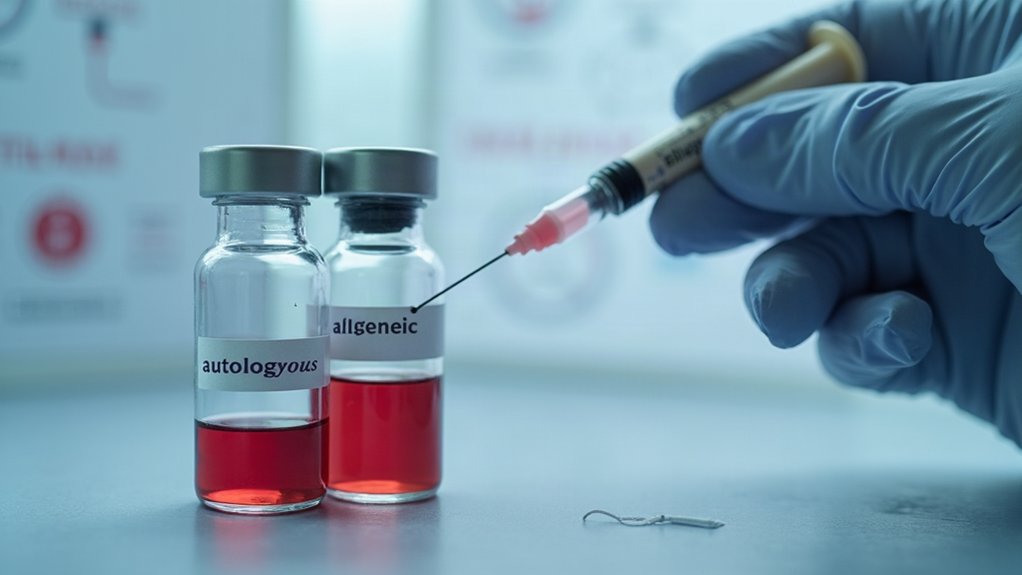
When deciding between autologous and allogeneic stem cells, it’s important to consider factors like immune rejection risk, source quality, and regulatory oversight.
Using your own cells generally comes with a lower risk of triggering an immune response, while donor cells can introduce complications such as graft-versus-host disease (GVHD) and may necessitate immunosuppression.
Additionally, allogeneic products are subject to more rigorous donor screening and regulatory oversight, which adds extra safety measures compared to minimally manipulated autologous treatments.
Now, let’s explore the practical implications of these choices in treatment decisions.
Immune Rejection Risk Factors
When considering stem cell therapies, understanding immune rejection risk factors is crucial. Autologous stem cell therapy uses your own cells, which means they carry your body’s unique immunological signature. This significantly reduces the risk of rejection compared to allogeneic treatments, where donor cells may be recognized as foreign by your immune system, leading to complications like graft-versus-host disease or rejection.
Several key factors influence the risk of rejection:
- HLA Matching: Human Leukocyte Antigen (HLA) matching is vital. The greater the genetic difference between you and the donor, the higher the likelihood of complications. Effective matching can enhance the success of allogeneic transplants.
- Manipulation Level: The extent to which stem cells are processed also matters. Autologous cells that are minimally manipulated generally provoke fewer immune responses than those that are heavily engineered or derived from pluripotent sources.
- Cytokine Profiling: Analyzing cytokine levels before treatment can provide insights into your immune system’s inflammatory responses. This preemptive approach helps in anticipating and managing potential reactions.
- Conditioning Regimens: Allogeneic therapies often necessitate immunosuppressive treatments to foster tolerance. These regimens can help prevent rejection but also carry their own risks.
- Injection-Site Reactions: It’s important to note that even with autologous treatments, localized inflammation at the injection site can occur. Monitoring these reactions is essential for effective management.
Regardless of whether you choose autologous or allogeneic stem cell therapy, long-term monitoring is critical. Immune-mediated effects can sometimes arise unexpectedly, making it essential to stay vigilant and consult your healthcare provider regularly. This proactive approach can help ensure the best outcomes for your therapy.
Source Quality and Safety
When considering the source of your stem cells, it’s essential to understand how it affects your overall safety profile. Autologous procedures—where stem cells are taken from your own body—require strict adherence to sterile and Good Manufacturing Practice (GMP) standards. Even with this careful handling, there are still risks such as contamination, bleeding, or infection that can occur during the process.
On the other hand, allogeneic sources—stem cells sourced from donors—introduce additional variables. Factors such as donor screening, traceability, packaging integrity, and storage conditions all play a crucial role in ensuring that the stem cells remain safe and viable before they’re administered. A lapse in any of these areas can negatively impact treatment outcomes, regardless of how well the donor and recipient are matched.
When it comes to pluripotent sources, like embryonic stem cells or induced pluripotent stem cells (iPSCs), there’s a theoretical risk of uncontrolled growth, which is generally lower in minimally manipulated adult bone marrow cells commonly used for orthopedic treatments.
Additionally, the quality of the source must align with your specific condition. Using stem cells from an unrelated tissue source may not only compromise safety but also reduce the effectiveness of the treatment.
Regulatory Status by Type
When it comes to stem cell therapies, understanding the regulatory status of autologous and allogeneic options is crucial for informed decision-making. These two types of therapies are evaluated differently by regulators, which can impact your risk exposure and the protections available to you.
Autologous stem cell therapies, which are derived from the patient’s own cells and often minimally manipulated, may qualify for streamlined approval pathways under current FDA guidelines. This means that they can be accessed more quickly, as they generally present a lower risk profile.
On the other hand, allogeneic therapies—those sourced from a donor—usually require formal FDA approval and the completion of clinical trials before they can be used. This process ensures that these therapies meet rigorous safety and efficacy standards, reflecting the higher risks associated with donor-derived treatments.
It’s also important to note that products that are more-than-minimally manipulated face stricter regulatory scrutiny, regardless of whether they’re autologous or allogeneic. This is because increased manipulation can introduce additional risks that need thorough evaluation.
Additionally, donor-derived treatments carry unique immune-related risks, which result in a more comprehensive regulatory review process. This is crucial for ensuring patient safety and effectiveness.
Provider standards and manufacturing practices play a vital role in the overall safety of these therapies. Even within approved categories, any oversight gaps can compromise patient safety.
Does the Injection Site Change Your Risk?

Does the Injection Site Change Your Risk?
The location of your injection plays a crucial role in determining your risk profile. Different injection sites can lead to varying outcomes, both in terms of benefits and potential complications.
For example, intra-articular injections, which are administered directly into a joint, may result in temporary pain or swelling. However, the risk of infection in these cases remains quite low.
In contrast, intrathecal or intracerebral injections require a higher level of precision. Mistakes in these areas can lead to significant neurological complications, making it essential to follow strict protocols.
Tendon and soft-tissue injections generally carry low systemic risks, although they may lead to local bleeding or potential weakening of the tendon.
Bone marrow aspiration from the pelvis can cause manageable soreness and bruising, but these effects are typically temporary.
Ocular injections warrant special caution. Unproven treatments in the eye have been associated with serious complications, including complete vision loss. Therefore, it’s imperative to adhere to strict procedural guidelines and use imaging guidance where applicable to minimize risks.
How Stem Cell Tourism Puts Patients at Risk

When considering stem cell treatment, it’s essential to understand the potential risks associated with traveling abroad or visiting unregulated clinics in the U.S. While the allure of these options may be strong, they often lack the rigorous safety measures found in approved medical settings. This lack of oversight can leave patients more vulnerable to complications, often without a clear understanding of the treatments being offered.
Here are some key points to consider:
- Financial Implications: Many medical tourism clinics charge high out-of-pocket fees for procedures that may not be proven effective. This can indicate more about marketing tactics than genuine medical care. It’s crucial to evaluate whether these treatments are backed by solid scientific evidence.
- Safety Concerns: The source and processing of stem cells play a vital role in patient safety. If not handled correctly, there’s a risk of infections, adverse immune responses, or even uncontrolled cell growth. These complications can lead to serious health issues.
- Documented Risks: There have been cases where patients have experienced severe side effects, including permanent vision loss or tumor development. Understanding these risks can help you make a more informed decision.
- Follow-Up Care: After receiving treatment, proper follow-up and emergency care may not be readily available, especially if complications occur. This lack of support can make managing adverse effects significantly more challenging.
- Regulatory Challenges: Reporting adverse events from unregulated treatments can be complicated, making it difficult to seek recourse if something goes wrong. Awareness of these regulatory gaps is crucial for patient safety.
Before pursuing any stem cell treatment outside of approved clinical trials, take the time to verify its regulatory status. Prioritizing safety and informed consent can help you navigate this complex landscape more effectively. Your health is paramount, and understanding the risks involved is the first step toward making informed decisions about your care.
What FDA Warnings Reveal About Stem Cell Therapy Harm
When considering stem cell therapy, it’s essential to understand the potential risks involved, even in the United States. The FDA’s enforcement actions highlight significant concerns surrounding clinics that market unapproved stem cell products. These clinics often lack the necessary data to demonstrate the safety and efficacy of their treatments, which can lead to serious health complications for patients.
For instance, patients have reported severe side effects such as tumor formation and significant vision loss after receiving unproven injections. These alarming outcomes have prompted the FDA to take regulatory actions against these clinics.
Here’s a summary of key issues identified by the FDA:
| Issue | FDA Finding | Patient Impact |
|---|---|---|
| Unapproved products | Lack of safety and efficacy data | Risk of infections and immune reactions |
| Non-homologous use | Requires full FDA approval | Potential for tumor formation |
| Poor manufacturing controls | Increased risk of contamination | Instances of severe vision loss |
| Unregistered trials | No Institutional Review Board (IRB) oversight | Unpredictable health outcomes |
To protect yourself, it’s crucial to choose stem cell therapies that are FDA-approved or have undergone a thorough review by an IRB. These options are more likely to be safe and effective, providing you with the confidence you need in your treatment decisions. Always consult with a qualified healthcare professional to discuss your options and ensure you’re making informed choices.
How to Spot a Predatory Stem Cell Clinic

Identifying a predatory stem cell clinic is essential for anyone considering treatment. Start by examining how the clinic presents itself. Legitimate, FDA-regulated trials don’t charge participants, so if you encounter hidden fees or large upfront payments labeled as “experimental treatment,” that should raise a red flag.
Pay attention to the marketing strategies employed by the clinic. If they rely heavily on emotional appeals—such as testimonials, before-and-after photos, or celebrity endorsements—rather than providing robust, peer-reviewed evidence, it’s a cause for concern.
Here are some key indicators to help you spot a predatory clinic:
- High Enrollment Fees: Be cautious of steep fees framed as “clinical trial” costs. Genuine trials typically don’t require payment from participants.
- Broad Treatment Claims: If a single treatment is promoted for a wide range of unrelated conditions, it’s a warning sign. Treatments should be specific and supported by research.
- Lack of Official Listings: Check ClinicalTrials.gov or verify FDA approval. If the clinic isn’t listed, it may not be following proper protocols.
- Emphasis on Testimonials: A focus on testimonials instead of published research can indicate a lack of scientific backing for their claims.
- Unclear Sourcing of Stem Cells: Vague explanations about how the cells are sourced or mismatched claims regarding cell types and diseases should raise your concerns.
A reputable clinic should be able to answer basic safety questions clearly and confidently. If they can’t provide straightforward responses, it’s best to proceed with caution. Your health and safety should always come first.
Frequently Asked Questions
What Can Stem Cells Currently Fix or Cure in 2026?
You won’t find a cure-all, but you’ll find real options: blood cancers, some orthopedic injuries, and emerging gene editing applications. Organoids modeling accelerates research into Parkinson’s, retinal disease, and cardiac repair—still investigational, yet genuinely promising.
What Is the Average Life Expectancy After a Stem Cell Transplant?
Your long term survival depends on diagnosis, age, and complications—many patients reach 5-year rates of 40%-80%. You’ll face early risks from graft versus host disease, while relapse rates shape later outcomes, affecting quality adjusted life overall.
What Are the Potential Benefits of Studying Embryonic Stem Cells?
You won’t become immortal overnight, but you’ll gain real tools: embryonic stem cells advance developmental biology, enable precise disease modeling, and help you identify therapeutic targets—cautiously promising progress, grounded in evidence, not science-fiction hype.
What Happens 30 Days After a Stem Cell Transplant?
By 30 days, you’ve typically recovered from procedural pain, though bruising may linger. You’ll continue engraftment monitoring via blood counts and infection surveillance for fever or wound changes, while your team adjusts supportive care accordingly.