Are you exploring options for joint pain relief or recovery from an injury? You might have come across terms like PRP and stem cell therapy. Both have gained attention for their potential to boost healing, but what do they really mean for you? Understanding the differences could be crucial in deciding the best path for your health.
PRP, or platelet-rich plasma, uses your own blood to harness the power of growth factors, making it particularly effective for issues like tendon injuries or mild arthritis. On the other hand, stem cell therapy taps into specialized cells from your body that can transform into new tissue, often targeting more severe joint damage.
While PRP is generally less invasive and more affordable, stem cell therapy might offer longer-lasting results. Curious about which option aligns better with your needs? Let’s dive deeper into the specifics of each approach and what they could mean for your recovery journey.
How Does PRP Therapy Work?

How Does PRP Therapy Work?
PRP therapy, or Platelet-Rich Plasma therapy, is a medical treatment that utilizes your own blood to promote healing in damaged tissues. The process begins with a small blood draw, after which the blood is placed in a centrifuge.
This device spins the blood at high speeds to separate its components, concentrating the platelets in the plasma. Typically, this concentration can be increased by 3 to 8 times compared to normal levels.
Once the PRP is prepared, it can be tailored to your specific needs. Depending on your condition, your clinician may create a formula that’s either rich or poor in leukocytes (white blood cells) and adjust the platelet concentration accordingly.
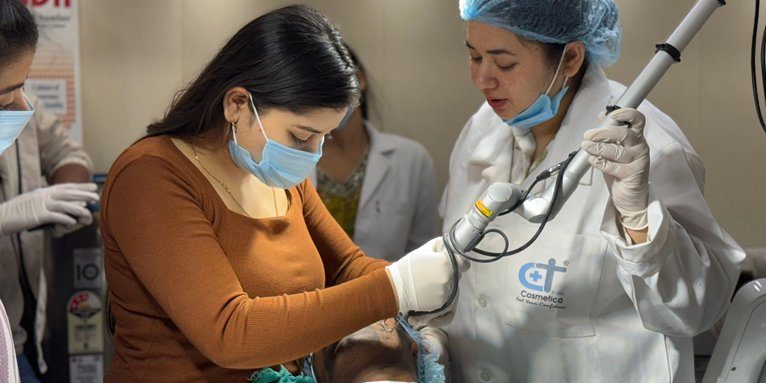
The next step involves injecting the PRP into the affected area, such as damaged tendons, ligaments, or joints. This is often done using ultrasound guidance, which allows for precise placement of the PRP.
When injected, the platelets release growth factors like PDGF (Platelet-Derived Growth Factor), TGF-β (Transforming Growth Factor Beta), and VEGF (Vascular Endothelial Growth Factor). These factors help to reduce inflammation and attract cells that are essential for repair and regeneration.
One of the advantages of PRP therapy is that it uses your own blood, which minimizes the risk of rejection or adverse reactions. The entire process is typically completed in a single office visit, making it a convenient option for those seeking relief from injuries or chronic pain.
How Does Stem Cell Therapy Work?
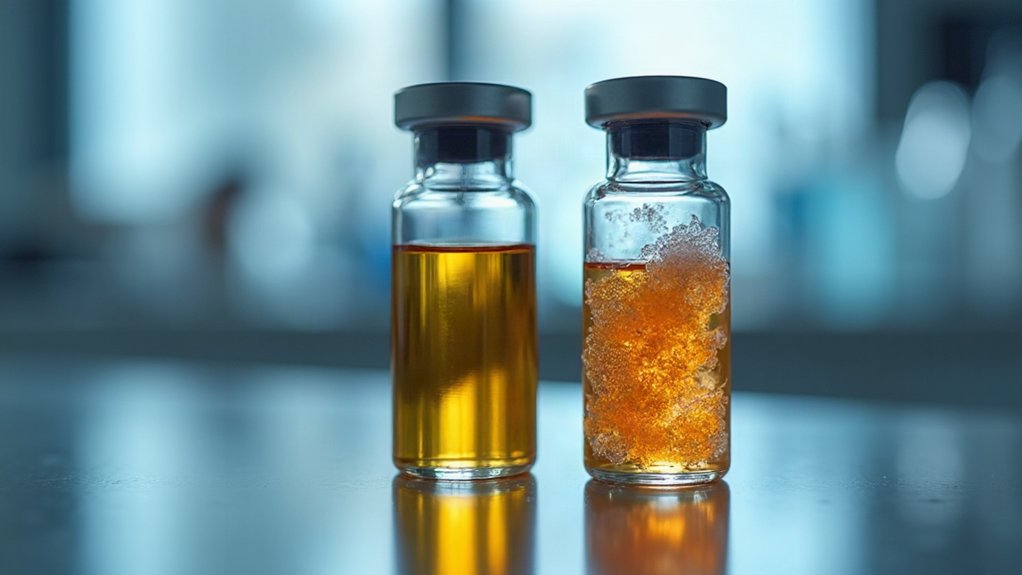
Stem cell therapy utilizes your body’s own regenerative cells to promote healing in damaged tissues. The process begins with your healthcare provider extracting mesenchymal stem cells (MSCs) from either your bone marrow or adipose (fat) tissue. Once harvested, these cells are concentrated for injection at the injury site.
Stem cell therapy harnesses your body’s own regenerative power, using MSCs harvested from bone marrow or fat to heal damaged tissues.
MSCs are multipotent, meaning they’ve the ability to develop into various types of cells, such as cartilage, bone, muscle, or ligament cells. This capability allows them to directly aid in rebuilding damaged structures. Additionally, stem cells play a crucial role in cell signaling. They release growth factors and cytokines that help manage inflammation and create a supportive environment for healing.
This therapy is commonly used to address conditions like osteoarthritis, meniscus tears, partial tendon injuries, and complex rotator cuff injuries. In some cases, combining stem cells with platelet-rich plasma (PRP) can enhance the overall effectiveness of treatment.
It’s important to note that factors such as age and overall health can influence the potency of the cells. Also, while harvesting stem cells is a more invasive procedure compared to PRP collection, the potential benefits for tissue regeneration can be significant.
What’s the Difference in Sources and Mechanisms?
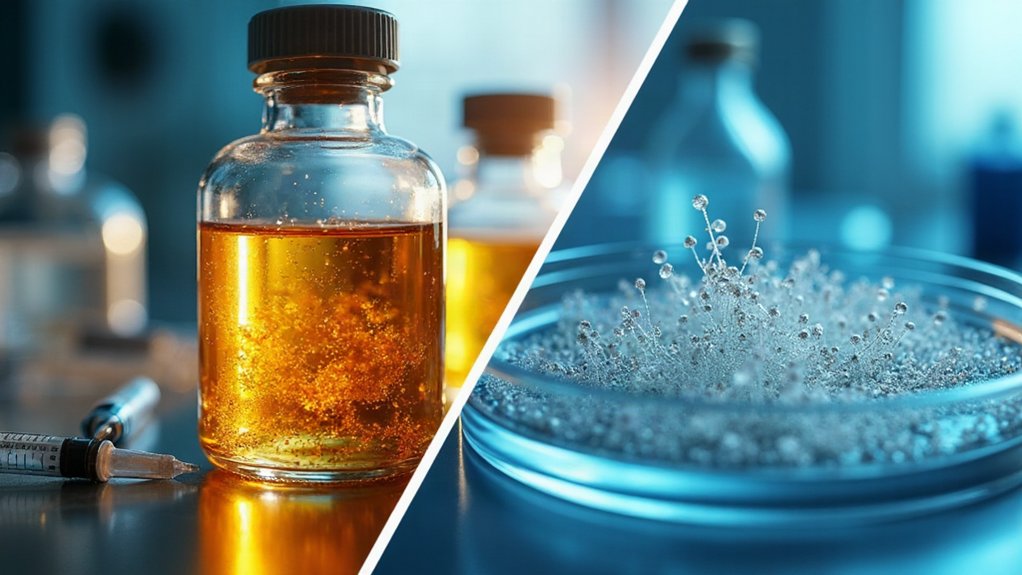
Both PRP (Platelet-Rich Plasma) and stem cell therapies aim to enhance your body’s natural healing abilities, but they originate from different biological sources and function through distinct mechanisms.
Sources:
- PRP is obtained from a blood sample. After drawing the blood, it’s processed in a centrifuge to concentrate the platelets, usually increasing their concentration by 3 to 8 times compared to baseline levels.
- Stem cells, on the other hand, are harvested through methods such as bone marrow aspiration, fat tissue extraction, or from birth-related tissues.
Mechanisms:
- The mechanism of PRP involves the release of growth factors and cytokines that stimulate your existing repair processes. This means it enhances the signals your body already uses to heal itself.
- In contrast, stem cells deliver living progenitor cells that have the potential to differentiate into various types of tissues, including cartilage, bone, or muscle. This provides a more foundational approach to regeneration.
Key Distinction: The primary difference lies in their functions: PRP amplifies the healing signals in your body, while stem cells introduce new cells that can contribute to tissue regeneration.
Understanding these differences is important for setting realistic expectations about how each treatment can support tissue repair and regeneration.
Both therapies have their unique benefits, and knowing how they work can help you make informed decisions about your treatment options.
Which Conditions Respond Better to Each Treatment?
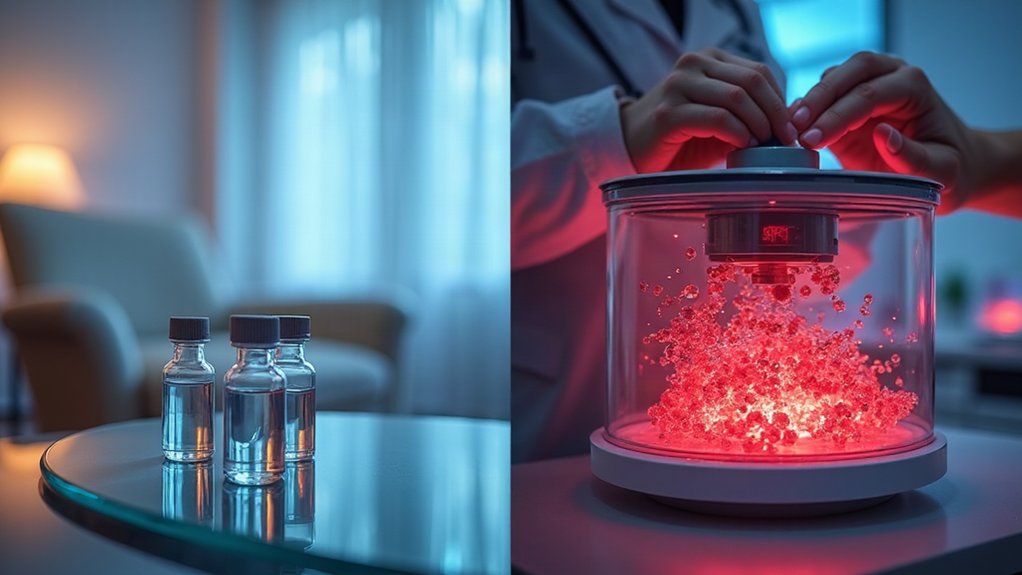
When addressing acute or overuse soft-tissue injuries, Platelet-Rich Plasma (PRP) therapy often proves effective. Conditions like tennis elbow, patellar tendinopathy, and partial tears of the rotator cuff or Achilles tendon can benefit significantly from concentrated platelets. This treatment works by reducing inflammation and promoting tissue repair, which can help athletes return to their sport more quickly. Additionally, PRP can alleviate chronic pain associated with mild to moderate osteoarthritis in the knee, shoulder, or hip, although it’s important to note that it doesn’t regenerate lost cartilage.
For individuals dealing with chronic degenerative conditions such as moderate to advanced osteoarthritis, meniscal degeneration, or larger rotator cuff tears, Mesenchymal Stem Cell (MSC) therapy may offer better regenerative capabilities. MSCs support the formation of new cartilage and tendons, making them particularly useful when previous treatments like PRP haven’t been successful.
Furthermore, for more complex joint issues, combining PRP and MSC therapies can enhance healing by providing both anti-inflammatory benefits and cellular regeneration.
Understanding which treatment is appropriate for your specific condition can make a significant difference in your recovery process. It’s always advisable to consult with a healthcare professional to determine the best course of action based on your individual needs.
How Do Costs, Recovery, and Risks Compare?

When considering treatments like Platelet-Rich Plasma (PRP) therapy and stem cell therapy, it’s essential to understand the differences in costs, recovery times, and associated risks.
Cost Comparison
PRP therapy typically involves using your own blood, which is drawn in-office. The cost for PRP injections usually ranges from $500 to $2,000 per session. However, it’s important to note that insurance coverage for this treatment is uncommon.
PRP therapy uses your own blood, drawn in-office, with sessions typically costing $500 to $2,000—rarely covered by insurance.
In contrast, stem cell therapy can be significantly more expensive, often costing between $3,000 and $10,000 or more. This higher price tag is due to the additional procedures required to harvest and process stem cells, and like PRP, insurance rarely covers these costs.
Recovery and Risks
Recovery times and risk profiles also vary between the two therapies:
- PRP Therapy: Patients generally experience minimal downtime. While some soreness may occur for 24 to 72 hours post-injection, most individuals can resume their normal activities shortly after the procedure.
- Stem Cell Therapy: This treatment typically requires additional recovery time, particularly if cells are harvested from bone marrow or adipose tissue. The recovery process can be more involved due to the surgical aspects of the harvest.
In terms of risk, PRP therapy is associated with a low risk profile, primarily limited to localized effects at the injection site. On the other hand, stem cell therapy carries additional risks related to the harvesting process, such as bleeding or complications from anesthesia.
Treatment Frequency
Another consideration is the frequency of treatments. PRP therapy often requires multiple sessions to achieve desired results, while stem cell therapy is designed to deliver longer-lasting effects, potentially reducing the need for frequent treatments.
Ultimately, your choice between PRP and stem cell therapy should reflect your individual preferences regarding invasiveness, cost, and downtime. Understanding these factors can help you make a more informed decision about which treatment aligns best with your specific condition and lifestyle.
Frequently Asked Questions
Can PRP Work on a 50 Year Old?
Yes, PRP can work for you at 50—there aren’t strict age limits for treatment. Efficacy studies show best results with mild-to-moderate tendon or joint damage, though your response may be modest compared to younger patients.
Who Is Not a Good Candidate for Stem Cell Therapy?
Wondering if you qualify? You’re not an ideal candidate if you have active infection, uncontrolled autoimmune disease, active malignancy, bleeding disorders, or fall under pregnancy exclusion criteria. Your doctor can evaluate your specific health history.
Can Stem Cell Therapy Help Knee Pain?
Yes, it can help—your outcomes depend on stem cell sourcing quality and dose. By supporting cartilage regeneration and reducing inflammation, you may experience less pain and better function, especially with moderate-to-advanced joint damage.
Is There a Downside to PRP?
Yes—you may face limited long term efficacy, since PRP often can’t rebuild severe cartilage loss. While you’ll rarely experience immune reactions due to using your own blood, you might still notice temporary swelling, pain, or infection risk.