

Are you curious about the differences between stem cell sources and how they might impact health treatments? If so, you’re not alone. Many people are exploring the potential of stem cells for various medical applications, and understanding the distinctions between umbilical cord, bone marrow, and adipose stem cells is crucial.
Each of these sources has unique characteristics that can affect their use in therapies. For instance, bone marrow stem cells have a long history in clinical settings but involve more invasive procedures. On the other hand, adipose tissue can provide a plentiful supply, although the effectiveness of those cells may vary. Umbilical cord stem cells, known for their easy collection and promising signaling capabilities, are gaining attention as a viable option.
As you delve deeper, consider how factors like the source’s potency, the method of collection, and suitability for specific treatments can influence your choices. Understanding these nuances could be key to making informed decisions about stem cell therapies. Ready to explore further?
Where Do Umbilical Cord, Bone Marrow, and Adipose Stem Cells Come From?

Sources of Stem Cells: Umbilical Cord, Bone Marrow, and Adipose Tissue
Understanding the origins of stem cells—specifically bone marrow, adipose tissue, and umbilical cord—can help clarify their applications in medicine.
Bone Marrow Stem Cells
Needle aspiration from the pelvic hip bone yields both mesenchymal stem cells and the hematopoietic stem cells vital for blood formation.
Bone marrow stem cells are primarily sourced from the pelvic hip bone through a procedure known as needle aspiration. This process yields two key types of stem cells: multipotent mesenchymal stem cells (MSCs) and hematopoietic stem cells, which are essential for blood formation.
While this method is effective, it typically requires anesthesia and involves some recovery time.
Adipose-Derived Stem Cells
Adipose-derived stem cells come from fat tissue, often harvested during liposuction procedures. This method provides a rich source of MSCs along with a natural scaffold that can support musculoskeletal repair.
Notably, the extraction can be performed under local anesthesia, making it less invasive compared to bone marrow extraction.
Umbilical Cord Stem Cells
Umbilical cord stem cells originate from the placenta. Cord blood is particularly valuable as it contains hematopoietic progenitor cells, which can develop into various blood cells.
Additionally, Wharton’s jelly from the umbilical cord is a source of highly proliferative and immunologically immature MSCs. The collection of these cells is painless and occurs after delivery, raising important ethical considerations regarding parental consent and the decision to bank the cord blood.
One of the significant advantages of cord-derived stem cells is their lower immunogenicity, which means they’re less likely to provoke an immune response. This characteristic makes them a favorable option compared to age-dependent sources like bone marrow and adipose tissue.
In summary, each source of stem cells—bone marrow, adipose tissue, and umbilical cord—offers unique benefits and considerations.
Understanding these differences can guide decisions regarding their use in therapeutic applications.
How Are Stem Cells Collected From Each Source?
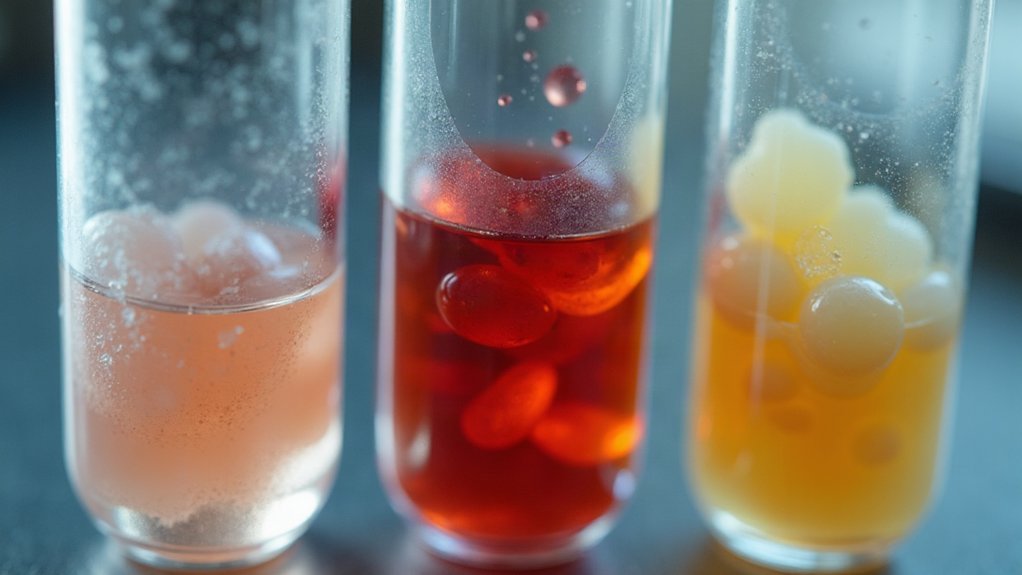
How Are Stem Cells Collected From Each Source?
Stem cell collection methods differ significantly depending on the source, each with its own benefits and considerations. Understanding these methods can help you make informed decisions about stem cell use.
Umbilical Cord Stem Cells
Collection occurs shortly after birth. Blood is gently drained from the clamped umbilical cord, and tissue may also be excised. This process is straightforward, requires no anesthesia, and carries minimal risks to both the mother and baby. Parents simply need to provide consent for the collection.
Bone Marrow Stem Cells
Bone marrow collection is performed through a procedure that involves aspirating stem cells from the posterior iliac crest (the back of the hip bone) using a needle. This method requires either local or general anesthesia, as it is more invasive than cord blood collection. Recovery time is necessary afterward, as the procedure can involve some discomfort.
Adipose Tissue Stem Cells
Adipose (fat) tissue is harvested through liposuction, a surgical procedure that often uses tumescent local anesthesia to minimize discomfort. While this method is effective for obtaining a high yield of stem cells, it also involves surgical intervention and a recovery period.
Summary of Collection Methods
| Source | Collection Method | Anesthesia Required |
|---|---|---|
| Umbilical Cord | Blood drained from the clamped cord; tissue excised | None |
| Bone Marrow | Aspirated from posterior iliac crest via needle | Local or general |
| Adipose Tissue | Extracted via liposuction | Tumescent local |
| Processing | Centrifugation (for marrow) or enzymatic digestion (for fat) | N/A |
Choosing a stem cell source involves balancing convenience and yield. Umbilical cord stem cells offer a painless, non-invasive method, while bone marrow and adipose tissue provide higher yields but require surgical procedures. Understanding these differences can aid in making the best choice for your needs or those of loved ones.
Why Does Donor Age Affect Stem Cell Potency?
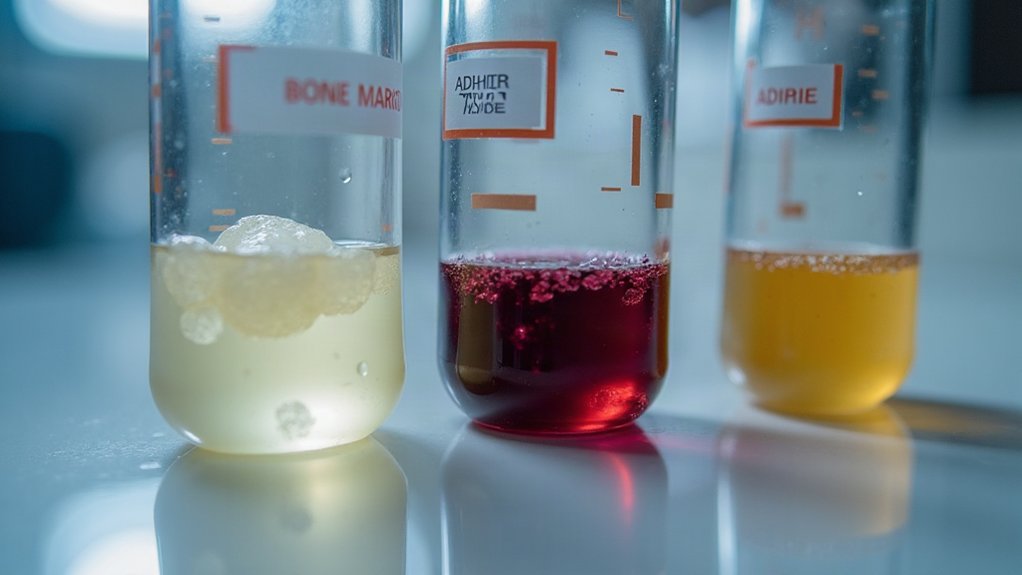
As we age, our stem cells tend to accumulate DNA damage, experience telomere shortening, and undergo changes in gene expression. These factors can diminish their ability to multiply and differentiate effectively.
For example, stem cells collected at birth, like those from umbilical cords, generally have longer telomeres, higher division rates, and a greater ability to secrete helpful growth factors compared to those from older adults. This means that stem cells from younger sources often lead to better outcomes in clinical settings, such as improved engraftment and tissue repair, compared to autologous cells from older donors.
Understanding these differences helps us appreciate why younger stem cell sources are often preferred in regenerative medicine. Now, let’s explore how these characteristics impact specific treatment applications.
Aging Reduces Cell Vitality
As we age, our stem cells do too, which affects their ability to regenerate and repair tissues. Over time, the frequency of mesenchymal stem cells (MSCs) in bone marrow decreases significantly, dropping to about 0.001%–0.01% of total marrow cells. This decline impacts their capacity to proliferate and differentiate effectively.
Aging leads to cell senescence, a process where DNA damage accumulates, and inflammatory factors known as the senescence-associated secretory phenotype (SASP) emerge. This shift tends to promote inflammation rather than the necessary repair processes.
Additionally, the health of mitochondria—the cell’s energy producers—deteriorates with age, further reducing the energy available for tissue regeneration. Another factor is telomere shortening, which limits how many times our cells can divide, ultimately constraining their replicative lifespan.
Environmental factors like oxidative stress, exposure to toxins, and metabolic issues over the years can exacerbate these challenges, further degrading the quality of our own stem cells. In contrast, stem cells derived from umbilical cord tissue at birth maintain a youthful vitality. These cord-derived cells exhibit stronger proliferation abilities and robust anti-inflammatory signaling, making them a valuable resource for regenerative medicine.
Understanding these differences highlights the importance of stem cell health throughout our lives. By recognizing the impacts of aging on our cellular machinery, we can better appreciate the potential of cord-derived stem cells and their role in promoting health and recovery.
Younger Cells, Stronger Healing
The Benefits of Younger Stem Cells for Healing
Understanding the lineage of stem cells can greatly enhance our approach to therapy, particularly when considering the age of the donor. Cord-derived mesenchymal stem cells (MSCs) stand out when compared to MSCs sourced from adult bone marrow or adipose tissue. This difference primarily stems from the resilience of neonatal cells versus the accumulated wear that adult cells experience over time.
Cord-derived MSCs exhibit several advantages. They demonstrate higher division rates, which means they can replicate more effectively. Additionally, they produce more colony-forming units, indicating their ability to grow into various cell types. Most importantly, these cells have superior paracrine potency; they secrete growth factors and anti-inflammatory mediators at levels that adult MSCs simply can’t match.
As individuals reach midlife, the capacity of their bone marrow MSCs to expand and signal for regeneration diminishes. This decline is often exacerbated by DNA damage and signs of cellular aging from environmental factors.
In contrast, cord cells, which are collected at birth, avoid this degradation process. Their unique characteristics, including immunological immaturity and strong signaling abilities, allow them to modulate inflammation and support tissue repair more effectively.
What Can Bone Marrow Stem Cells Actually Treat?
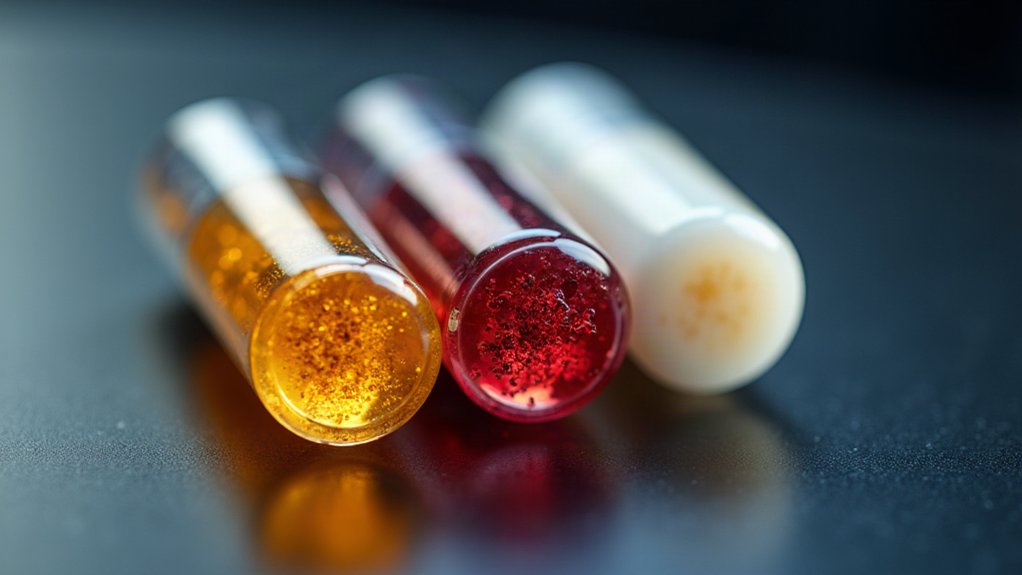
When considering bone marrow stem cells, it’s important to recognize that there are two main types, each with different applications. Hematopoietic stem cells (HSCs) have a long track record in treating conditions like leukemias, lymphomas, severe aplastic anemia, sickle cell disease, and certain inherited disorders. They help rebuild the blood and immune system after treatment.
On the other hand, mesenchymal stem/stromal cells (MSCs) are more focused on orthopedic issues, such as osteoarthritis, tendon injuries, and cartilage repair. However, their effectiveness can be limited due to low yields—only about 0.001–0.01% of marrow cells are MSCs—and their potency tends to decrease with age.
With that in mind, let’s explore how these stem cells can be utilized in various clinical settings.
Regenerative Orthopedic Applications
Surgeons and sports medicine physicians increasingly utilize bone marrow-derived mesenchymal stem cells (MSCs) for treating various orthopedic conditions, including osteoarthritis, focal cartilage lesions, tendon and ligament injuries, and certain types of bone nonunions. These MSC-based treatments focus on promoting joint regeneration and restoring cartilage by delivering concentrated multipotent cells and growth factors directly to the affected areas through image-guided injections.
The success of these procedures relies on several key factors: the dose of stem cells administered, the severity of the lesion, and the precision of the injection technique. Clinicians must carefully assess each case to optimize these variables for the best possible outcomes.
Here’s a breakdown of some common applications of MSCs in orthopedic medicine:
| Application | Mechanism | Outcome Variable |
|---|---|---|
| Knee Osteoarthritis | MSCs provide support to the cartilage matrix, which can alleviate pain and improve function. | Patients often report reductions in pain and enhanced function scores. |
| Rotator Cuff Tendinopathy | MSCs stimulate healing in the tendon, fostering better repair integrity. | This can lead to improved outcomes in tendon strength and recovery. |
| Focal Cartilage Defects | MSCs promote chondrogenic differentiation, which aids in filling cartilage lesions and enhancing durability. | Successful treatments often result in better lesion fill and long-lasting repairs. |
| Bone Nonunion | MSCs provide osteogenic signaling, which is essential for bone fusion. | Higher fusion rates are observed, leading to improved healing in nonunited fractures. |
Blood Cancer Treatments
Bone marrow stem cells play a crucial role in treating blood cancers, including acute leukemias, certain lymphomas, and myelodysplastic syndromes. These stem cells, along with peripheral blood and cord blood sources, are vital for re-establishing the hematopoietic and immune systems after patients undergo high-dose chemotherapy or radiation.
When selecting a source for transplantation, it’s important to consider engraftment kinetics. Bone marrow and peripheral blood grafts typically engraft more quickly, which can reduce the risk of early infections. In contrast, cord blood transplants engraft at a slower rate but can be a suitable option when more precise HLA matching isn’t possible.
Another factor to consider is the risk of graft versus host disease (GVHD). Studies have shown that cord blood transplants tend to have lower rates of chronic GVHD compared to other sources.
For patients with lymphomas and multiple myeloma, autologous transplants, where a patient’s own stem cells are used, can effectively restore bone marrow function. On the other hand, allogeneic transplants, which involve donor stem cells, are often employed for treating leukemia. These transplants can also leverage the graft-versus-tumor effect, where the donor cells help target and eliminate cancer cells.
Understanding the nuances of each treatment option can empower patients and caregivers to make informed decisions about blood cancer therapies.
Are Adipose Stem Cells as Powerful as They’re Abundant?
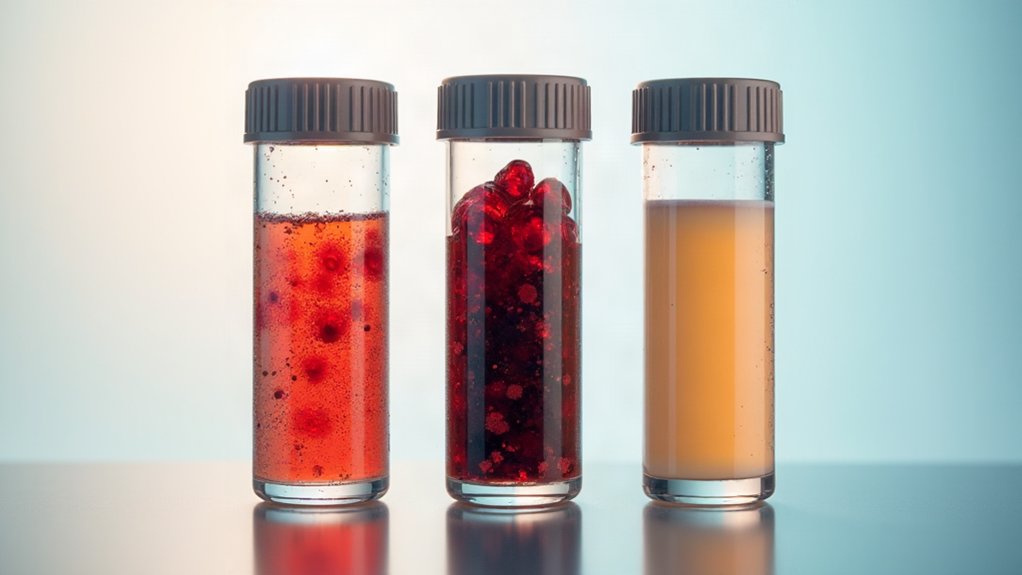
Are Adipose Stem Cells as Powerful as They’re Abundant?
While adipose-derived stem cells (ADSCs) are abundant due to their plentiful source in adipose tissue, their biological performance doesn’t always match their quantity. The dense stromal vascular fraction in adipose tissue contributes to a high yield of ADSCs, but simply having more cells does not guarantee better regenerative outcomes.
Research shows that when we evaluate ADSCs based on their functional abilities—such as differentiation capacity, cytokine secretion, and immunomodulatory potential—they often fall short compared to umbilical cord-derived mesenchymal stem cells (MSCs) on a per-cell basis. This is an essential consideration for anyone looking into stem cell therapies.
Moreover, donor variability plays a significant role in the effectiveness of ADSCs. Factors like age, metabolic health, and existing health conditions can significantly influence the potency of these cells. This variability makes it challenging to predict outcomes compared to the more standardized characteristics of umbilical cord-derived MSCs.
Here’s a comparison of key factors between ADSCs and umbilical cord MSCs:
| Factor | Adipose-Derived Stem Cells | Umbilical Cord MSCs |
|---|---|---|
| Cell Yield | Very high | Moderate |
| Potency Consistency | Variable (donor-dependent) | Standardized |
| Immunomodulatory Signaling | Lower per cell | Higher per cell |
Why Are Umbilical Cord Stem Cells Gaining Attention?
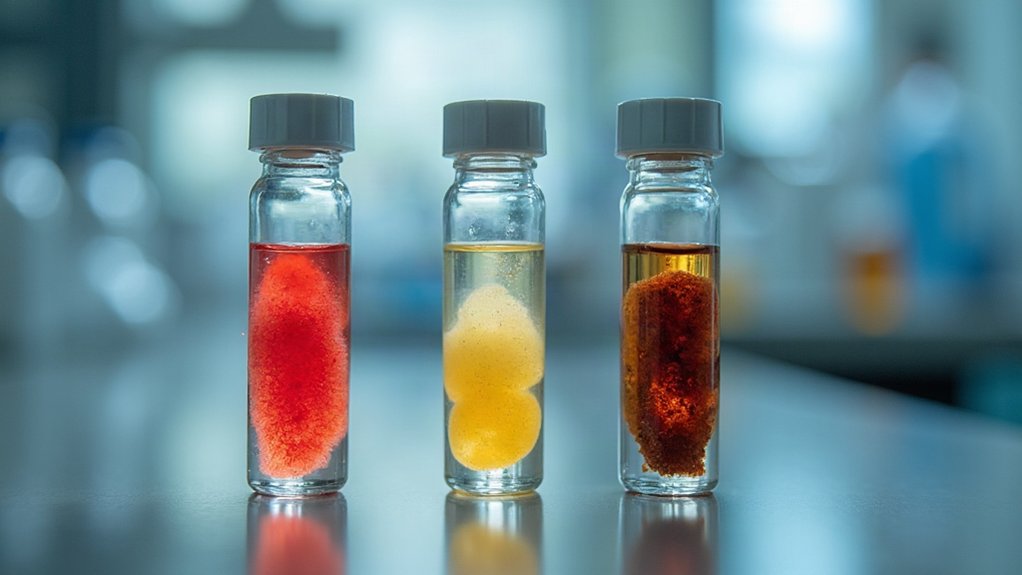
Umbilical cord tissue is gaining attention among researchers and clinicians for several compelling reasons. This tissue provides a rich source of mesenchymal stem cells (MSCs) that can be collected from Wharton’s jelly or cord blood. Importantly, this process is non-invasive, avoiding the discomfort associated with harvesting cells from bone marrow or fat tissue.
One significant advantage of umbilical cord-derived MSCs is their immunological immaturity. This characteristic allows for neonatal immunomodulation, which reduces the risk of rejection during transplantation. Unlike bone marrow transplants, which often require strict human leukocyte antigen (HLA) matching, umbilical cord cells can be used with less concern for compatibility. This feature makes them readily available for clinical use, as they don’t necessitate an autologous match.
Umbilical cord tissue is particularly beneficial for musculoskeletal repair, while cord blood is a valuable source of hematopoietic stem cells, which are essential for treating various immune and blood disorders. Additionally, studies indicate that these stem cells are more effective than those derived from older adults, whose stem cell quantity and potency tend to decline with age.
What’s FDA-Approved vs. Experimental?
Understanding FDA-Approved vs. Experimental Treatments
When it comes to stem cell therapies, it’s important to distinguish between FDA-approved treatments and those that are still experimental. The FDA has specific guidelines and regulations that determine what therapies are safe and effective for patients.
Currently, FDA-approved stem cell products primarily include hematopoietic stem cells derived from cord blood. These products are used to treat conditions like leukemias, anemias, and immune deficiencies. However, it’s crucial that these treatments are sourced from licensed banks and administered through accredited transplant centers that follow established protocols.
FDA-approved stem cell products are limited to cord blood-derived hematopoietic cells, sourced from licensed banks and accredited transplant centers.
On the other hand, many mesenchymal stem cell (MSC) therapies remain experimental. If you’re considering any stem cell treatment, it’s essential to verify its regulatory status. Here are some key points to check:
- FDA Clearance or Approval: Ensure the specific product has received FDA endorsement.
- IND Application Status: Investigational New Drug (IND) applications are necessary for therapies that involve systemic or expanded-cell treatments.
- IRB-Approved Clinical Trials: Participation in trials that have Institutional Review Board (IRB) approval can indicate a level of oversight and safety.
- Degree of Cellular Manipulation: Understand whether the treatment involves minimal manipulation (more likely to be compliant with regulations) or significant alteration of cells.
It’s worth noting that autologous injections of bone marrow or adipose-derived MSCs for orthopedic issues are often marketed despite lacking specific FDA approval. While these treatments might be available through certain physicians, their efficacy hasn’t been established in a regulatory context.
How Do You Choose the Right Stem Cell Source?
Choosing the right stem cell source is a crucial step in any treatment plan. After confirming a treatment’s regulatory status, it’s important to evaluate the specific type of stem cells to use, as their effectiveness can vary based on the clinical indication.
When selecting a stem cell source, consider the specific goals of your treatment. For instance, Wharton’s jelly mesenchymal stem cells (MSCs) are particularly effective for anti-inflammatory applications and musculoskeletal repair. In contrast, cord blood hematopoietic stem cells (HSCs) are well-suited for reconstituting blood and immune systems.
Donor age is another significant factor. Neonatal cord cells tend to proliferate more effectively than bone marrow MSCs, which can decline in potency as patients age. This aspect can influence the overall efficacy of your treatment.
Additionally, consider the invasiveness of the harvesting procedure. Adipose and bone marrow require surgical procedures, which can be more invasive. In contrast, collecting cord blood is a non-invasive process, making it a more patient-friendly option.
Donor matching is also critical. Cord MSCs have the advantage of requiring less stringent human leukocyte antigen (HLA) matching compared to bone marrow grafts, which can simplify the matching process and improve accessibility for patients.
Lastly, evaluate the cell dosing and the clinical evidence supporting each source. Adipose tissue can yield a high number of stem cells, while the number of cells in cord blood units may limit their use in adult patients. Bone marrow has a strong history of successful applications, making it a reliable choice in many cases.
Frequently Asked Questions
Is It Safe to Use a Stranger’s Umbilical Cord Stem Cells?
Ironically, “safe” isn’t guaranteed just because it’s not yours. You’re relying on rigorous donor matching to minimize histocompatibility issues; without it, you risk immune rejection, inflammatory complications, and compromised graft efficacy despite cord cells’ lower immunogenicity profile.
How Much Do Stem Cell Treatments Typically Cost Patients?
You’ll typically encounter treatment pricing ranging from $5,000-$50,000 per session, depending on cell source and protocol. Since most regenerative therapies lack FDA approval for your condition, you’re often paying entirely out of pocket without insurance reimbursement.
Can I Bank My Own Baby’s Cord Stem Cells for Later Use?
Yes—like a biological insurance policy, you’re banking cells “just in case.” You’ll sign private banking agreements prenatally; delayed consent isn’t possible post-birth, since collection occurs immediately after cord clamping, before cryopreservation begins.
Do Insurance Plans Ever Cover Stem Cell Therapy Procedures?
Generally, you won’t find all-encompassing insurance coverage for stem cell therapy, as most protocols remain classified as experimental or investigational. Reimbursement policies typically exclude autologous and allogeneic cell-based interventions unless you’re enrolled in an FDA-regulated clinical trial meeting specific efficacy criteria.
What Risks or Side Effects Come With Stem Cell Treatments?
Before you proceed, know this: complications can emerge unexpectedly. You’re exposed to immune reactions if cells aren’t properly matched, infection at injection sites, and rare but serious tumor risk from uncontrolled cellular proliferation. Choose accredited providers to minimize these clinical uncertainties.