
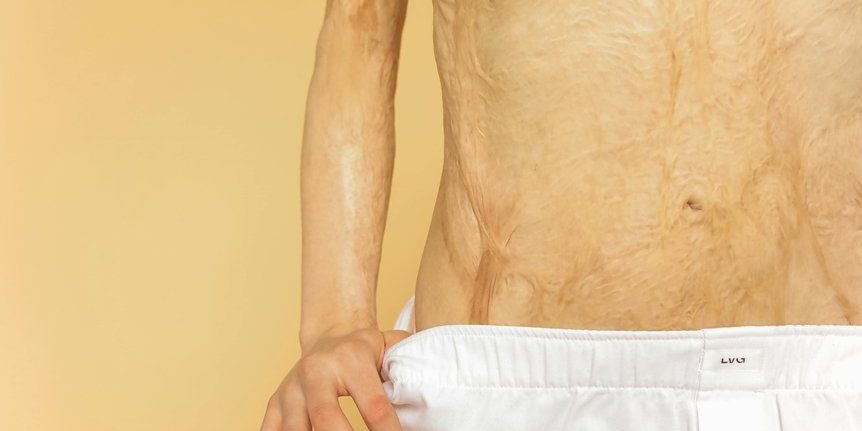
Have you ever experienced the sting of a burn and wondered how to treat it effectively at home? It’s a common concern, and knowing how to manage burns can make a significant difference in your recovery. Understanding the different types of burns and how to care for them is crucial not only for your comfort but also for preventing complications. If you’re curious about the best steps to take when dealing with burns, you’re in the right place. Let’s explore how to handle these situations and promote healing effectively!
Understanding the Severity of Burns
Understanding the severity of burns is crucial for effective treatment and care. Burns are categorized into four degrees, each representing a different level of skin damage.
First-degree burns, such as those from mild sunburns, affect only the outer layer of skin, known as the epidermis. These burns typically heal within 7 to 10 days without medical intervention.
Second-degree burns penetrate deeper into the skin, reaching the dermis. They often present with blisters and can be quite painful, usually requiring 2 to 3 weeks to heal. If a second-degree burn is extensive, it may necessitate more specialized care to promote healing and prevent complications.
Third-degree burns are more severe, damaging all layers of the skin. These burns may appear dry or charred and typically require immediate medical attention. Due to the extent of the damage, these burns can lead to serious complications if not treated promptly.
Finally, fourth-degree burns extend beyond the skin, affecting underlying tissues such as muscle and bone. These burns are critical and require urgent medical care.
By understanding the different stages of burns and their implications, you can better manage burn wounds and provide appropriate care.
Whether it’s a minor burn or a more serious injury, knowing how to respond effectively can make a significant difference in healing outcomes.
Home Treatment for First-Degree Burns
When dealing with a first-degree burn, prompt action can significantly alleviate discomfort and aid in healing. The first step is to run cool (not cold) water over the affected area for about 5 to 10 minutes. This simple action helps to cool the burn and reduce pain effectively.
Once you’ve cooled the burn, gently pat the area dry with a clean towel. Following this, applying a moisturizing lotion or aloe vera gel can help keep the skin hydrated, which is important for recovery.
If you’re experiencing pain, over-the-counter pain relievers such as ibuprofen or acetaminophen can provide relief. It’s essential to monitor the burn for any signs of infection, which may include increased pain, redness, or discharge.
Avoid traditional remedies like butter or oils, as they can actually aggravate the burn.
Managing Second-Degree Burns at Home
Managing second-degree burns at home requires careful attention due to the deeper tissue damage involved.
To start, it’s important to cool the burn immediately. Running cool water over the affected area for 10 to 20 minutes can help reduce pain and minimize further injury.
After cooling, gently clean the burn with mild soap to remove any debris and bacteria, which is vital for effective wound care.
Next, applying a thin layer of burn ointment, such as Bacitracin or Neosporin, can aid in healing and help prevent infection.
When it comes to treating burn blisters, it’s best to cover the area with a non-stick sterile dressing. Make sure to change this dressing one to two times daily, or whenever it becomes dirty or wet, to keep the area protected.
Monitoring the burn for signs of infection is crucial. Be aware of increased pain, swelling, or any unusual odors, as these may indicate an infection that needs medical attention.
Recognizing When to Seek Medical Attention
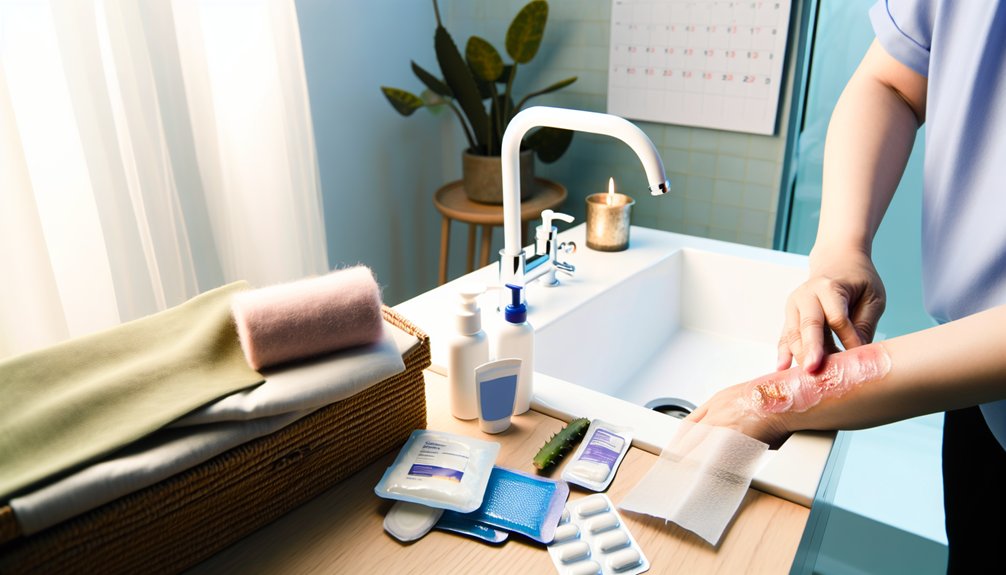
Understanding when a burn requires medical attention is essential for effective treatment and recovery. If the burn is larger than 3 inches in diameter or is located on sensitive areas such as the face, hands, feet, or genitals, it’s important to seek medical help right away. These areas are particularly vulnerable and can lead to complications if not treated properly.
For third-degree burns, which may appear white, charred, or leathery, immediate medical care is crucial. These burns can damage deeper layers of skin and may not be painful due to nerve damage, so even if there’s little sensation, don’t underestimate the severity.
Signs of a burn wound infection include increased pain, a foul odor, or unusual discharge. If you notice any of these symptoms, it’s best to consult a healthcare provider promptly.
Burns caused by chemicals or electricity should always be treated as emergencies. These types can lead to serious complications and require specialized care.
For second-degree burns, if you observe no improvement or if the condition worsens over time, seek medical advice without delay. Timely intervention can significantly aid in the healing process and help prevent burn scars.
Being aware of these indicators can ensure that you receive the appropriate care for burns, promoting better healing outcomes and overall skin health.
Essential Do’s and Don’ts for Burn Care
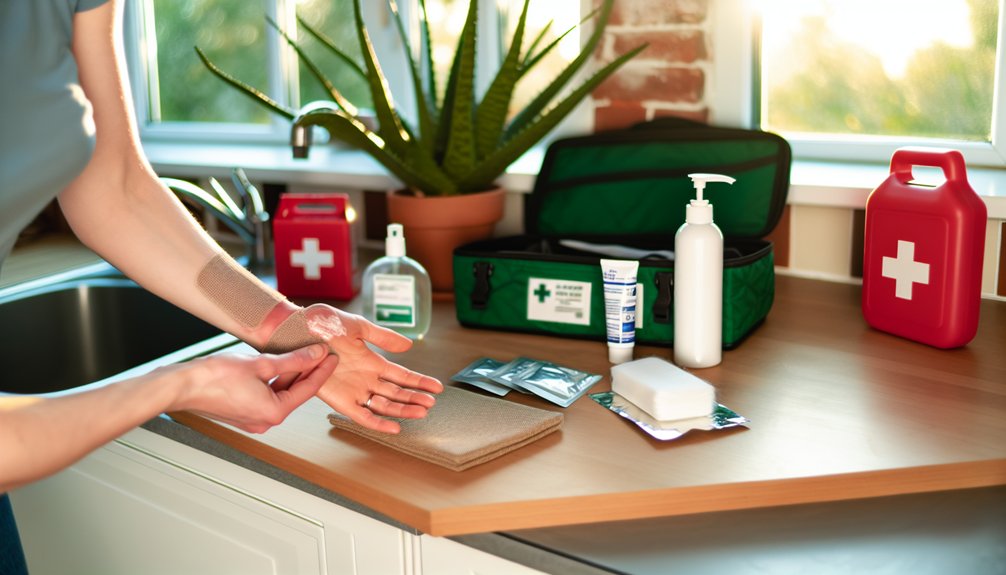
To ensure proper healing and reduce the risk of complications, it’s important to follow key guidelines for burn care.
First, when treating a burn, it’s effective to run cool (not cold) water over the affected area for about 20 minutes. This helps soothe the pain and can promote faster healing, especially for first-degree burns.
It’s crucial to avoid applying ice, butter, or oils to the burn. These substances can aggravate the injury and increase the likelihood of infection.
Keeping the burn clean is vital; use a mild antibacterial soap and gently cleanse the area. After cleaning, cover the burn with a sterile dressing to protect it from further irritation.
For second-degree burns, it’s best not to pop any blisters that may form. If blisters are open, cover them to minimize the risk of infection.
Always keep an eye out for signs of infection, such as increased pain, redness, or an unusual odor. If you notice any of these symptoms, seek medical attention promptly.