

Are you or a loved one living with diabetes and wondering about the risks of foot complications? It’s crucial to understand that diabetic foot ulcers can be a serious concern. These open sores often arise due to poor circulation and nerve damage, which many people with diabetes face. Recognizing the early signs, like unusual drainage or changes in skin texture, can make a significant difference in managing your foot health.
Taking proactive steps, such as keeping your feet clean and properly managing blood sugar levels, is essential. But what else can you do to protect yourself? Regular foot inspections and choosing the right footwear play a vital role in prevention. If you notice anything unusual, seeking prompt medical attention is key. Stay tuned as we delve deeper into effective management and care tips to help you navigate this important aspect of health.
What Are Diabetic Foot Ulcers?

Diabetic foot ulcers are a significant concern for individuals living with diabetes, as they’re open sores that commonly develop on the bottom of the foot. It’s estimated that about 15% of those with diabetes will experience these ulcers at some point. The severity of diabetic foot ulcers can vary; they may present as minor, superficial wounds or develop into deep sores that affect the skin, muscle, and even bone.
The primary causes of diabetic foot ulcers often include complications such as peripheral neuropathy and poor circulation. Peripheral neuropathy reduces the ability to feel pain, which means that minor injuries can go unnoticed and worsen over time. Additionally, inadequate blood flow can hinder the healing process. High blood sugar levels can further complicate matters, as they impair your body’s natural healing capabilities and increase the risk of infections.
If diabetic foot ulcers aren’t treated promptly, they can lead to severe problems. Complications may include infections that necessitate hospitalization, and in some cases, up to 14-24% of individuals may require an amputation. Therefore, it’s crucial to recognize and manage diabetic foot ulcers early to prevent these serious outcomes.
In practical terms, regular foot inspections, maintaining good blood sugar control, and seeking medical attention for any wounds or sores are vital steps in prevention and management.
If you or someone you know has diabetes, being aware of the risks and the importance of foot care can make a significant difference in maintaining foot health.
Who Is at Risk for Diabetic Foot Ulcers?
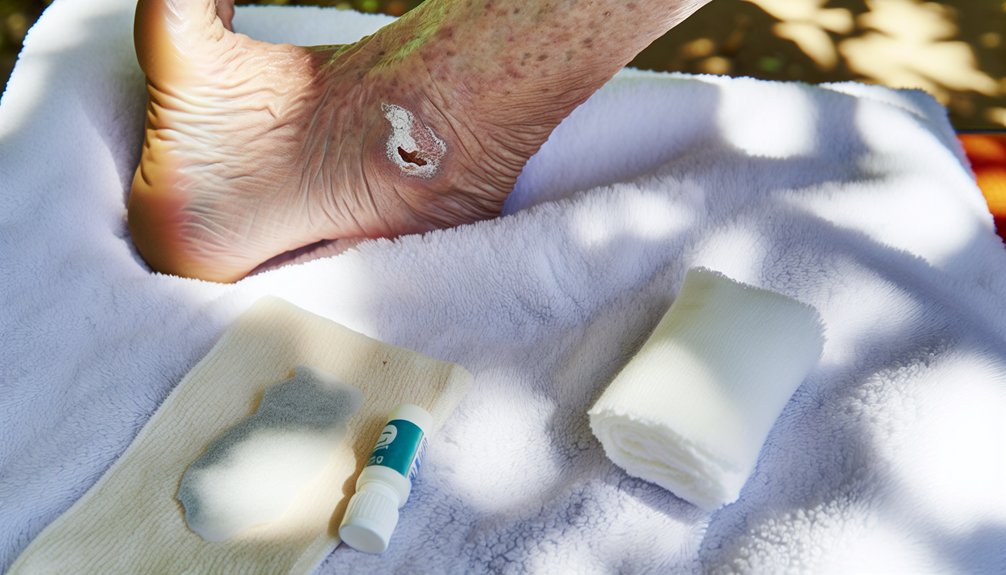
When managing diabetes, it’s important to recognize who might be at risk for developing diabetic foot ulcers. Individuals with diabetes have about a 15% chance of experiencing these ulcers, and certain groups, such as Native American, African American, and Hispanic populations, are at increased risk.
Several factors can heighten this risk. For instance, if you have complications like kidney, eye, or heart disease, your likelihood of developing foot ulcers increases. Other contributing factors include obesity, poor circulation, and neuropathy, which can affect sensation in the feet, making it harder to notice injuries.
Lifestyle choices, such as tobacco and alcohol use, may also impact your risk.
Regular foot examinations by healthcare providers are crucial for anyone with diabetes, especially older men, who tend to face a higher incidence of complications. In fact, the risk of amputation can be as high as 14-24% for those who develop foot ulcers.
Recognizing the Symptoms of Diabetic Foot Ulcers

Identifying the early signs of diabetic foot ulcers is crucial for effective management and prevention of complications. Here are the key indicators to watch for:
- Drainage from any wound: If you notice any fluid coming from a wound on your foot, it’s important to take it seriously, as this can signal the onset of an ulcer.
- Swelling, irritation, or redness: Pay attention to any swelling, irritation, or redness around the area of a wound. These can be signs of inflammation and potential infection.
- Changes in skin texture: Look for any changes in the surrounding skin, such as thickened or callused patches, which may indicate pressure points that could lead to ulcers.
- Location of ulcers: Diabetic foot ulcers often occur on the ball of the foot or underneath the big toe. If you notice any sores in these areas, it’s essential to seek medical advice.
- Signs of infection: Be vigilant for signs of infection, such as a foul odor, black tissue (necrosis), or pus drainage. These symptoms require immediate attention.
It’s important to note that early signs of diabetic foot ulcers can sometimes go unnoticed, particularly for those with neuropathy, which can diminish sensation in the feet.
To mitigate this risk, regular foot inspections are recommended. By checking your feet daily, you can identify any issues early on, allowing for prompt treatment and reducing the risk of serious complications.
Taking these proactive steps can play a vital role in maintaining foot health for individuals with diabetes.
How Diabetic Foot Ulcers Develop
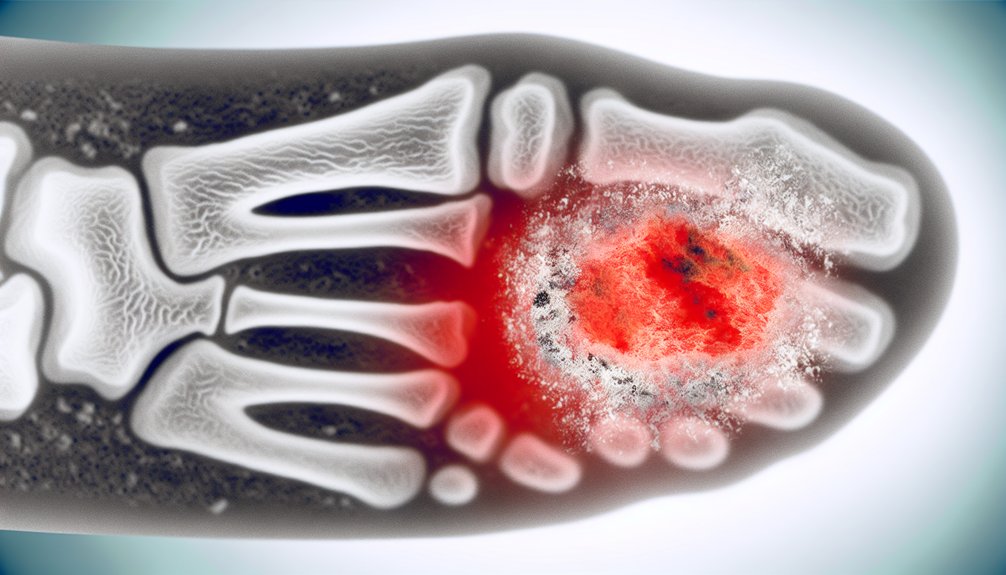
Diabetic foot ulcers typically develop due to a mix of factors that affect foot health. Many individuals may experience a loss of sensation from neuropathy, which can lead to unnoticed injuries.
Poor circulation can also slow down the healing process. On top of that, wearing the wrong type of shoes can create pressure points that cause irritation, increasing the risk of ulcers.
Understanding these factors is crucial for prevention and management. By addressing these issues, we can explore effective strategies to maintain foot health and reduce the risk of complications.
Neuropathy and Sensory Loss
Neuropathy is a common complication associated with diabetes, significantly affecting foot health due to sensory loss. This condition can leave individuals unaware of injuries or pressure points on their feet, making it crucial to understand the risks involved. As a result, untreated foot wounds can develop into serious issues, including ulcers.
Research indicates that approximately 60-70% of people with diabetes experience some form of neuropathy, which can complicate existing health concerns and slow down the healing process.
To effectively manage neuropathy and protect your foot health, consider implementing these practical strategies:
- Monitor Blood Glucose Levels: Keeping your blood sugar within target ranges can help minimize the effects of neuropathy. Regularly checking your levels is essential for managing your overall health.
- Daily Foot Inspections: Make it a habit to inspect your feet daily for any cuts, blisters, or other injuries. Early detection can prevent minor issues from escalating.
- Wear Proper Footwear: Choosing well-fitting shoes can significantly reduce the risk of irritation and injury. Avoid shoes that are too tight or that rub against your skin.
- Regular Podiatric Assessments: Schedule regular check-ups with a podiatrist. These assessments can help identify potential problems early on, allowing for timely intervention.
- Seek Prompt Care for Foot Wounds: If you notice any wounds or injuries, seek medical attention right away. Prompt treatment is vital to prevent complications like ulcer formation.
By following these guidelines, you can significantly lower your risk of developing serious diabetic foot ulcers and maintain better overall foot health.
Taking proactive steps can make a meaningful difference in managing neuropathy and enhancing your quality of life.
Poor Circulation Effects
Poor circulation is a significant concern for individuals with diabetes, as it can lead to various complications, particularly foot ulcers. When blood flow to the feet is diminished, the body struggles to heal wounds effectively. This is primarily due to raised blood sugar levels, which can damage blood vessels and limit the delivery of oxygen and essential nutrients to foot tissues.
Peripheral arterial disease (PAD) is a common condition among diabetics that further complicates circulation issues. PAD significantly reduces blood flow, increasing the likelihood of ulcer formation and making these ulcers more difficult to heal.
Additionally, many individuals with diabetes experience neuropathy, which can numb the feet and reduce pain sensation. This lack of sensation means that minor injuries often go unnoticed, allowing them to develop into more serious ulcers.
Without adequate circulation, even small cuts or blisters can escalate into significant health problems, such as infections that may lead to gangrene.
It’s essential to monitor foot health closely and seek medical advice if you notice any injuries or changes in your feet. Maintaining good blood sugar control, regular foot inspections, and seeking prompt treatment for any issues can help mitigate the risks associated with poor circulation and keep your feet healthy.
Footwear and Pressure Points
Proper footwear is crucial for preventing diabetic foot ulcers. Ill-fitting shoes can create pressure points that lead to friction and skin irritation, which are serious concerns for individuals with diabetes.
To ensure effective foot care, here are some important guidelines to follow:
- Fit Matters: Choose shoes that fit well and provide enough space for any foot deformities. A proper fit can help prevent unnecessary pressure on sensitive areas of the foot.
- Support and Cushioning: Look for footwear that offers adequate support and cushioning. This can help absorb shock and reduce the impact on your feet, making a significant difference in comfort and health.
- Daily Inspections: Make it a habit to inspect your feet daily for any signs of redness, calluses, or other abnormalities. Early detection of issues can prevent more serious complications down the line.
- Off-Loading Techniques: Consider using off-loading techniques, such as diabetic shoes or braces, which are specifically designed to relieve pressure from vulnerable areas of the foot. These specialized options can provide the extra care that diabetes management requires.
- Regular Replacement: Keep an eye on the condition of your footwear and replace worn-out shoes regularly. Well-maintained shoes are essential for maintaining proper support and preventing injuries.
By following these guidelines, you can significantly reduce the risk of foot ulcers and maintain better overall foot health.
Diagnosing Diabetic Foot Ulcers
When diagnosing diabetic foot ulcers, it’s important to take a close look at the ulcer itself—this includes where it’s located, the shape of its edges, and the condition of the skin around it.
Healthcare providers may also use imaging methods like MRI or X-rays to determine how deep the ulcer goes and to check for any possible infections underneath.
Catching these details early can really help in avoiding more serious problems down the line.
With that in mind, let’s explore the different treatment options available for diabetic foot ulcers to ensure proper healing.
Ulcer Appearance Assessment
Evaluating the appearance of diabetic foot ulcers is crucial for both accurate diagnosis and effective treatment. When assessing the appearance of these ulcers, it’s important to consider several key factors:
- Color: The color of diabetic foot ulcers can provide valuable insight into their condition. For instance, a yellow ulcer may suggest infection, while pink or red can indicate healthy tissue. Conversely, a black appearance typically signifies necrosis and requires immediate attention.
- Size: The size of the ulcer matters significantly. Ulcers can vary widely, ranging from as small as 1 cm to potentially covering the entire foot if left untreated. Monitoring changes in size can help gauge the healing process or the need for intervention.
- Depth: Understanding the depth of the ulcer is essential for treatment planning. Ulcers can be classified as superficial, deep, or gangrenous based on how far they penetrate the skin and underlying tissues. This classification helps determine the appropriate level of care required.
- Borders: The edges of the ulcer should be carefully examined. Irregular borders may indicate infection, while well-defined borders might suggest a more stable condition. Recognizing these differences can aid in tailoring treatment strategies.
- Surrounding Skin: The condition of the skin surrounding the ulcer plays a significant role in the overall treatment approach. Healthy surrounding skin can facilitate better healing, while compromised skin may complicate treatment options.
Diagnostic Imaging Techniques
When it comes to assessing diabetic foot ulcers, using advanced diagnostic imaging techniques is often essential. These techniques help determine the extent of tissue involvement and identify any underlying complications that may not be immediately visible. MRI, CT scans, and X-rays play significant roles in this evaluation process.
MRI is particularly useful for visualizing soft tissue involvement and can effectively detect osteomyelitis, which is a serious infection of the bone that can occur as a complication of diabetic foot ulcers. This imaging technique provides detailed images that can help guide treatment decisions.
CT scans offer another layer of insight, providing detailed cross-sectional images of the affected area. This helps in assessing the depth of the ulceration and any surrounding tissue damage, allowing healthcare providers to understand the full extent of the issue.
X-rays are typically the first imaging technique used when evaluating diabetic foot ulcers. They’re effective for ruling out fractures or foreign bodies that may be associated with the ulcer. By starting with X-rays, healthcare professionals can quickly determine if there are any immediate concerns that need to be addressed.
By utilizing these diagnostic imaging techniques—MRI, CT scans, and X-rays—healthcare providers can accurately diagnose diabetic wound complications. This ensures that patients receive timely and appropriate treatment, ultimately leading to better outcomes and effective recovery.
Understanding these imaging options empowers both patients and providers to make informed decisions about care.
Treatment Options for Diabetic Foot Ulcers

Diabetic foot ulcers require effective treatment options to ensure proper healing and to prevent further complications. Here’s a closer look at some of the key methods that can help manage these wounds effectively:
– Proper wound care: Maintaining a clean and sterile environment is crucial for diabetic foot ulcers. Regularly cleaning the wound and changing dressings with appropriate diabetic wound supplies can significantly contribute to healing.
It’s important to follow guidelines on how to clean and dress the ulcer to minimize infection risk.
– Off-loading techniques: Reducing pressure on the ulcer is essential for healing. This can be accomplished through the use of specialized footwear or braces designed to off-load weight from the affected area.
These devices help protect the ulcer and promote recovery by allowing the tissue to heal without additional stress.
– Debridement: In some cases, it’s necessary to remove dead or infected tissue from the ulcer. This process, known as debridement, can enhance healing by clearing away barriers that hinder recovery.
It’s typically performed by a healthcare professional, who can determine the most appropriate method based on the ulcer’s condition.
– Antibiotics: If a diabetic foot ulcer becomes infected, antibiotics may be prescribed to help fight the infection.
This is important because bacterial growth can complicate healing and lead to more severe issues. Always consult with a healthcare provider regarding the need for antibiotics and the appropriate type to use.
– Blood sugar control: One of the most critical aspects of managing diabetic foot ulcers is maintaining stable blood sugar levels.
High glucose levels can slow down the healing process and increase the risk of complications. Working closely with a healthcare provider to monitor and control blood sugar can significantly impact the healing of foot ulcers.
In summary, addressing diabetic foot ulcers requires a comprehensive approach that combines proper wound care, pressure relief, tissue management, infection control, and blood sugar regulation.
The Importance of Proper Foot Care
Foot care is crucial, especially for individuals with diabetes. Proper foot hygiene and regular inspections can significantly lower the risk of developing diabetic foot ulcers, which affect about 15% of those with diabetes. It’s important to perform daily checks for any cuts, blisters, or abnormalities. This practice helps you catch potential issues early before they escalate.
Maintaining good foot hygiene involves washing your feet daily and moisturizing them to prevent dryness and cracking, both of which can increase the risk of ulcers. Additionally, wearing well-fitted shoes is essential. Shoes that provide adequate support help prevent foot injuries, which can be common due to ill-fitting footwear.
Regular visits to a podiatrist also play a vital role in foot care for diabetics. These professionals can conduct timely assessments and interventions, ensuring that any emerging problems are addressed quickly.
Moreover, managing your blood sugar effectively is fundamental to promoting healing and preventing diabetic wounds. High glucose levels can impair your body’s ability to heal, making it even more important to keep your blood sugar in check.
Strategies for Preventing Diabetic Foot Ulcers
Preventing diabetic foot ulcers is crucial for individuals with diabetes, as these ulcers can lead to serious complications. A comprehensive approach focusing on daily foot care and consistent monitoring is key to reducing the risk. Here are some practical strategies that can help:
- Daily Foot Inspections: Make it a habit to check your feet every day for any signs of cuts, blisters, or redness. Early detection of these issues can prevent them from escalating into more serious problems.
- Proper Footwear: Choose shoes that fit well and provide adequate support. Ill-fitting shoes can cause injuries such as blisters or calluses, which may lead to ulcers.
- Blood Sugar Management: Keeping your blood sugar levels within target ranges is essential. High blood sugar can impede healing and increase the risk of infections, which can contribute to ulcer development.
- Regular Podiatrist Visits: If you have diabetes, especially with risk factors for foot complications, schedule regular check-ups with a podiatrist. They can offer personalized advice and preventive strategies tailored to your needs.
- Foot Hygiene Practices: Proper hygiene is important for foot health. Regularly wash your feet, moisturize to prevent dryness, and trim your toenails carefully to avoid ingrown nails or injuries.
By consistently applying these strategies, you can significantly reduce your risk of developing diabetic foot ulcers and maintain better foot health overall.
Taking proactive steps is vital for your well-being, so prioritize your foot care routine as part of your diabetes management plan.
When to Seek Medical Attention
Recognizing when to seek medical attention for foot issues is crucial for individuals with diabetes. Timely intervention can help prevent serious complications. If you notice any open sores, wounds, or ulcers on your feet, it’s important to contact a healthcare provider right away. Early treatment can help avoid infections, which in severe cases could lead to amputations.
In addition to visible wounds, keep an eye out for symptoms like drainage, swelling, redness, or a foul odor coming from a foot ulcer. These signs may indicate an infection that needs prompt medical attention. Changes in sensation or the appearance of new foot deformities are also important indicators. Consulting a podiatrist can help assess your risk for developing wounds, which is particularly important for diabetic patients.
Moreover, if you experience persistent numbness, coldness, or changes in the color of your feet, these symptoms may suggest poor circulation. Poor circulation can increase the risk of ulcer formation, so seeking medical advice as soon as possible is essential.
Living With Diabetes: Managing Foot Health
Managing foot health is essential for anyone living with diabetes, as neglecting it can lead to serious complications like foot ulcers. By integrating a few straightforward practices into your daily routine, you can significantly reduce the risk of these issues.
Start with daily foot inspections. Take a few moments each day to check your feet for any sores, cuts, or unusual changes. This habit can help you spot problems early, which is crucial since diabetes can affect your ability to feel injuries.
Maintaining good blood sugar control is another critical factor in foot health. When your blood sugar levels are stable, your body is better equipped to heal wounds and fight infections. This proactive approach can make a significant difference in your overall foot health.
Regular visits to a podiatrist are also vital, especially if you experience neuropathy or have poor circulation. A podiatrist can provide expert monitoring and care tailored to your needs, helping to catch potential issues before they escalate.
Choosing the right footwear is key. Make sure to wear properly fitted shoes** that offer adequate support and protection**. Avoid tight or ill-fitting shoes, as they can lead to blisters and pressure sores, increasing your risk of ulcers.
Lastly, prioritize good foot hygiene. Clean your feet daily, ensuring you thoroughly dry them, especially between the toes. Applying moisturizer can help prevent dryness and cracking, which can lead to infections.