

Are you or someone you know struggling with leg ulcers? If so, understanding the differences between venous and arterial ulcers can be crucial for effective treatment. These two types of ulcers have distinct causes and symptoms, which means their management strategies vary significantly. Venous ulcers tend to be large and shallow, often improving with elevation and compression therapy. On the other hand, arterial ulcers are typically smaller, deeper, and more painful, sometimes requiring surgical options to improve blood flow. By grasping these differences, you can better navigate the complexities of treatment and care. Curious about the specific symptoms and solutions for each type? There’s much more to explore!
Understanding Venous and Arterial Leg Ulcers
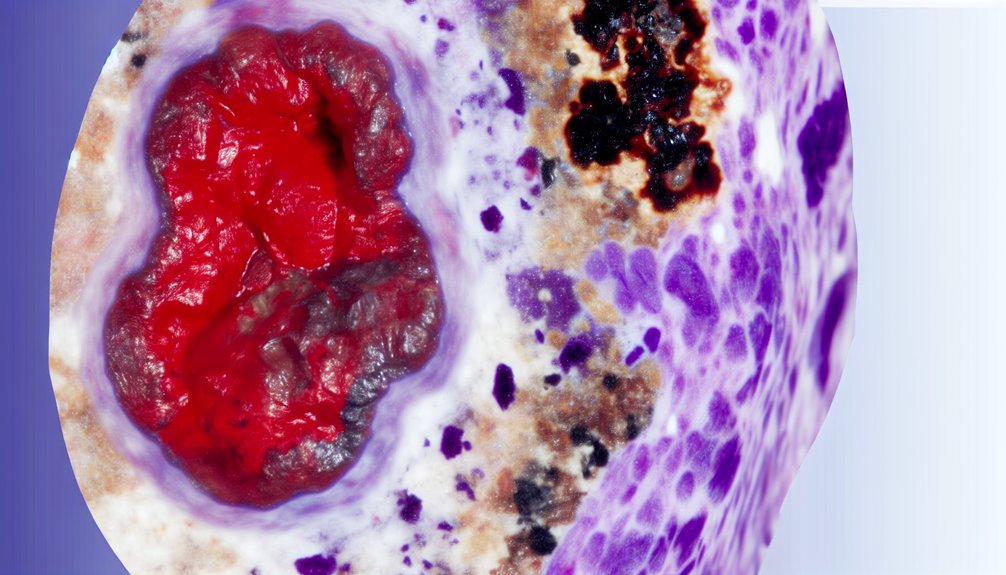
When dealing with leg ulcers, it’s crucial to recognize the differences between venous and arterial types, as understanding these distinctions can significantly influence treatment approaches.
Venous ulcers are the most prevalent, constituting 70-90% of all leg ulcer cases. They commonly result from chronic venous insufficiency and are typically found above the ankle. These ulcers often appear as large, shallow wounds with irregular edges and are associated with dull aching pain that generally improves when the legs are elevated.
On the other hand, arterial ulcers stem from inadequate blood flow caused by blocked arteries. These ulcers are characterized by small, deep wounds with well-defined edges, primarily located on the toes or heels. The pain associated with arterial ulcers is often severe and tends to worsen with leg elevation. Additionally, the skin around arterial ulcers may feel cool to the touch and appear pale.
Understanding these key differences is essential for effective treatment. Venous ulcers often benefit from interventions focused on improving venous circulation, such as compression therapy.
In contrast, treating arterial ulcers may involve addressing the underlying issues related to blood flow, which could include lifestyle changes, medication, or surgical options.
Causes of Venous and Arterial Ulcers
Understanding the causes of venous and arterial ulcers is important for effective treatment.
Venous ulcers typically develop when blood flow is impaired due to venous insufficiency, while arterial ulcers occur when there’s inadequate blood supply due to narrowed arteries.
Recognizing risk factors, such as obesity for venous ulcers and smoking for arterial ulcers, is key to prevention and management.
Now that we’ve looked at the causes, let’s explore the various treatment options available for these types of ulcers.
Blood Flow Impairment
Blood flow impairment is a significant factor in the development of both venous and arterial ulcers, and understanding these conditions can help in effective management and treatment.
Venous insufficiency ulcers occur when the veins, which are responsible for returning blood to the heart, are damaged or weakened. This leads to blood pooling in the lower extremities, resulting in tissue damage and the formation of ulcers. Proper management of venous ulcers often involves improving blood circulation through compression therapy and lifestyle changes.
In contrast, arterial ulcers are caused by narrowed or blocked arteries, often due to conditions such as peripheral artery disease. This blockage limits the flow of oxygen-rich blood to the tissues, which is essential for healing. As a result, tissues become compromised and can develop ulcers. Addressing arterial ulcers typically focuses on improving blood flow through medical interventions, including medications or surgical options.
While both types of ulcers are related to poor circulation, they stem from different underlying vascular issues—venous ulcers are tied to problems with veins, while arterial ulcers are linked to issues with arteries.
Understanding these distinctions is crucial for developing an effective treatment plan tailored to the specific type of ulcer. By recognizing the cause of blood flow impairment, healthcare providers can offer targeted therapies that promote healing and improve overall vascular health.
Risk Factors Overview
Understanding the risk factors for venous and arterial ulcers is essential for effective prevention and management.
Arterial ulcers typically develop due to inadequate blood flow resulting from blocked arteries. Key contributors to arterial ulcers include advanced age, diabetes, high blood pressure, high cholesterol, and smoking. These factors can compromise blood circulation, leading to skin breakdown and ulcer formation.
On the other hand, venous ulcers are primarily caused by venous insufficiency, which occurs when blood pools in the legs due to malfunctioning veins. Factors that increase the risk of venous ulcers include obesity, a sedentary lifestyle, a history of deep vein thrombosis, and pregnancy.
These conditions can weaken the veins and impede proper blood flow back to the heart.
Recognizing these risk factors is crucial, as both types of ulcers can arise from seemingly minor injuries. Early intervention and lifestyle modifications, such as maintaining a healthy weight, staying active, and managing chronic health conditions, can significantly reduce the risk of developing these ulcers.
Common Causes Explained
Venous insufficiency is a condition where blood pools in the lower legs due to damaged veins, which can lead to the development of venous ulcers. This issue is often linked to several risk factors, including obesity, a sedentary lifestyle, and a history of deep vein thrombosis.
Understanding these factors is crucial for prevention and management.
In contrast, arterial ulcers occur when blood flow is reduced due to narrowed or blocked arteries, commonly associated with conditions like peripheral artery disease, diabetes, and high cholesterol. Key risk factors for arterial ulcers include advanced age, smoking, and hypertension, all of which contribute to atherosclerosis, a condition that narrows the arteries.
Both venous and arterial ulcers are worsened by poor circulation, making it essential to address any underlying health issues to prevent recurrence and facilitate healing.
Symptoms of Venous and Arterial Ulcers
When looking at leg ulcers, it’s important to note the differences in pain and appearance between venous and arterial ulcers.
Arterial ulcers tend to have sharp pain and a more defined, “punched out” appearance, while venous ulcers typically come with a dull ache and are larger with irregular shapes.
Recognizing these differences can really help in making an accurate diagnosis and choosing the right treatment.
Now, let’s explore some common treatment options for these ulcers.
Pain Characteristics Comparison
Understanding the pain characteristics of arterial and venous ulcers is crucial for accurate diagnosis and effective treatment.
Arterial ulcers typically present with severe, sharp pain that often worsens when the leg is elevated and may continue even while at rest. This pain is usually localized to the ulcer area and can disrupt sleep, with the wounds generally exhibiting minimal drainage.
In contrast, venous ulcers are associated with a dull, aching pain that tends to improve with leg elevation. Individuals may describe a feeling of heaviness or tightness in the affected leg. Pain often intensifies later in the day, accompanied by diffuse discomfort throughout the leg, and these ulcers usually exhibit moderate to heavy drainage due to underlying venous insufficiency.
By recognizing the distinct pain characteristics of arterial and venous ulcers, healthcare providers can implement more effective management strategies tailored to each condition.
Understanding these differences not only aids in diagnosis but also enhances the overall treatment experience for patients.
Visual Appearance Differences
When it comes to diagnosing leg ulcers, understanding the visual appearance differences between arterial and venous ulcers is essential.
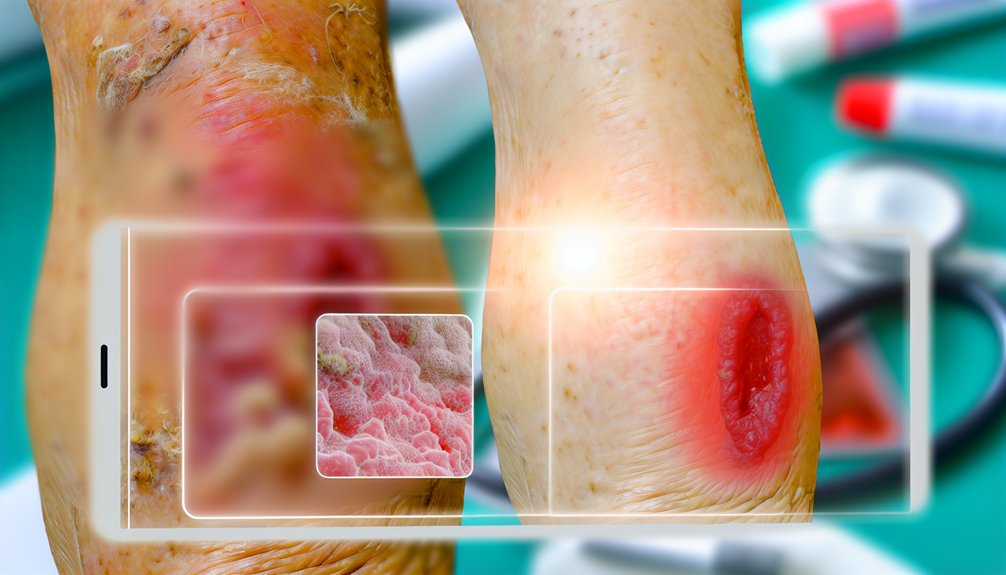
Arterial ulcers, typically found on the lower leg, are characterized by small, deep, round wounds with well-defined edges. They often have a “punched out” appearance and may appear in shades of yellow, brown, or black. The skin surrounding these ulcers is usually pale and cool to the touch.
On the other hand, venous ulcers tend to be larger and shallower, with irregular borders, and are commonly located above the ankle. These ulcers are generally a ruddy red color and may show signs of granulation tissue alongside moderate to heavy exudate. The skin around venous ulcers is typically shiny and warm, which can indicate inflammation.
In contrast, the skin surrounding arterial ulcers is often hairless and tight.
Recognizing these visual differences is crucial for accurately identifying the type of leg ulcer. By understanding the specific characteristics of each type, healthcare professionals can provide appropriate treatment and care.
This knowledge not only aids in diagnosis but also enhances patient outcomes by ensuring that the underlying causes are addressed effectively.
Key Differences Between Venous and Arterial Ulcers
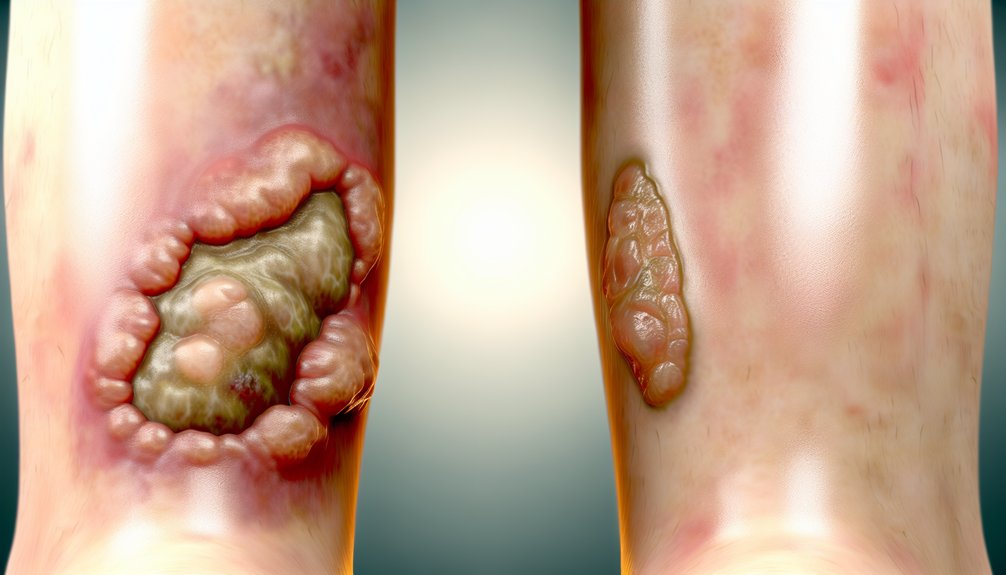
Venous and arterial ulcers are both common conditions that impact the legs, but they’ve distinct characteristics and symptoms that are important to understand for effective treatment.
Venous ulcers are generally larger and shallower than arterial ulcers. They often have irregular borders and are typically found above the ankle. One of the key features of venous ulcers is their drainage; they tend to exhibit moderate to heavy drainage, which can be a significant concern for patients. The surrounding skin often appears shiny and discolored, indicating underlying venous insufficiency.
On the other hand, arterial ulcers are usually smaller and deeper with well-defined edges. These ulcers are commonly located on the toes or heels and are associated with severe, sharp pain, especially when the affected leg is elevated. In contrast to venous ulcers, arterial ulcers have minimal drainage and the skin around them often feels tight, is hairless, and may be cool to the touch, suggesting poor blood circulation.
Understanding these differences between venous and arterial ulcers is crucial for guiding treatment decisions. For instance, while elevating the legs can help alleviate the discomfort associated with venous ulcers, it may exacerbate the pain of arterial ulcers.
Treatment Approaches for Venous Ulcers
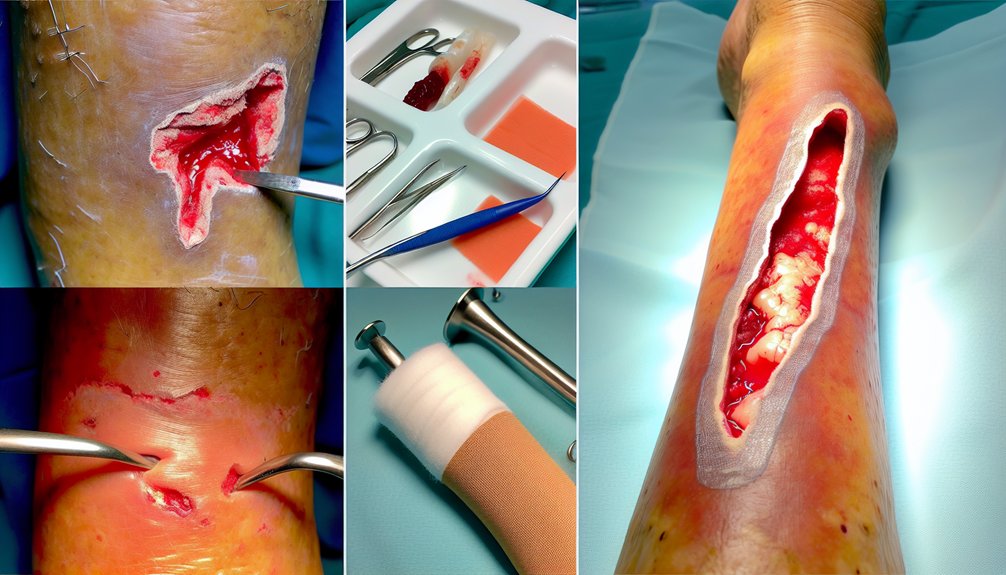
Effective treatment for venous ulcers centers on improving blood flow and reducing swelling to facilitate healing. One of the most important methods for managing venous ulcers is compression therapy. This approach helps control swelling and enhances circulation, which are both vital for the healing process.
Proper wound care is also crucial. This involves gently cleansing the ulcer and using dressings that can effectively handle moderate to heavy exudate. It’s beneficial to elevate your legs, especially after prolonged sitting or standing, as this can help alleviate pain and promote healing.
While antibiotics may be prescribed to prevent infection, it’s important to understand that they don’t directly heal the ulcer itself. Instead, addressing the underlying issue of venous insufficiency is key to effective treatment.
Once the ulcer has healed, wearing daily compression stockings is recommended to prevent recurrence. Additionally, making lifestyle changes such as incorporating regular exercise and following a low-sodium diet can contribute to long-term health improvement.
Treatment Approaches for Arterial Ulcers
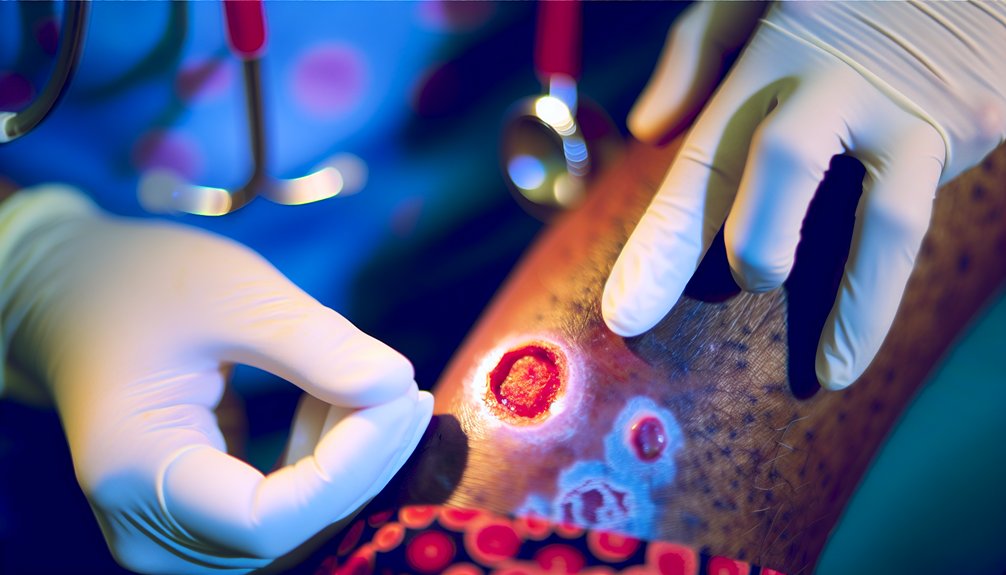
Restoring blood flow is crucial in treating arterial ulcers, as compromised circulation is the primary factor leading to these wounds. Surgical interventions, such as angioplasty or bypass surgery, may be necessary to effectively open blocked arteries and improve blood flow. Additionally, managing pain is an important aspect of treatment, as patients often experience significant discomfort.
To prevent infections in leg wounds, it’s important to maintain a moist healing environment. This involves regular dressing changes and close monitoring of the wound. While antibiotics can be prescribed to address infections, it’s essential to note that they don’t directly promote the healing of arterial ulcers. In cases of significant stenosis or when there’s a risk of gangrene, a referral to a vascular surgeon may be required to prevent the possibility of amputation.
Wound debridement is another vital component in the management of leg ulcers. This procedure helps remove dead tissue, which can facilitate the healing process.
Prevention Strategies for Venous and Arterial Ulcers
Preventing venous and arterial ulcers requires a practical and proactive approach. Understanding the risk factors and implementing effective prevention strategies can significantly reduce your chances of developing these conditions.
- Maintain a Healthy Weight: Achieving and maintaining a healthy weight is crucial for overall health and can specifically help reduce the risk of leg ulcers. Regular physical activity, such as walking or swimming, combined with a balanced diet, can enhance circulation and reduce leg swelling, which are important for preventing ulcers.
- Use Compression Stockings: For individuals at risk of venous ulcers, wearing compression stockings can be an effective measure. These stockings promote better blood flow by applying gentle pressure to the legs, which helps prevent blood from pooling and reduces the likelihood of developing ulcers.
- Prioritize Skin Care: Proper skin care is essential in ulcer prevention. Keeping your skin well-hydrated and addressing any cuts or abrasions promptly can prevent minor injuries from escalating into more serious issues.
Regularly inspecting your skin, especially on the legs and feet, is a good practice to catch any potential problems early.
In addition to these strategies, it’s important to schedule regular check-ups with your healthcare provider. Managing chronic conditions like diabetes and hypertension is vital, as these can increase the risk of arterial ulcers.