Are you or a loved one facing challenges with mobility? You’re not alone, and it’s important to be aware of the risks associated with prolonged pressure on the skin. Pressure ulcers, commonly known as bedsores, can develop in vulnerable areas like heels and hips, especially when someone is unable to move freely. Factors such as age, incontinence, and nutrition can heighten these risks, making it crucial to understand what you can do to protect your skin health.
The early signs of pressure ulcers may seem minor, but they can lead to serious complications if not addressed properly. While it’s essential to know how to treat these sores, prevention is often the best strategy. Curious about what steps you can take to keep your skin healthy and avoid these painful conditions? Let’s explore effective prevention and management strategies together.
Understanding Pressure Ulcers
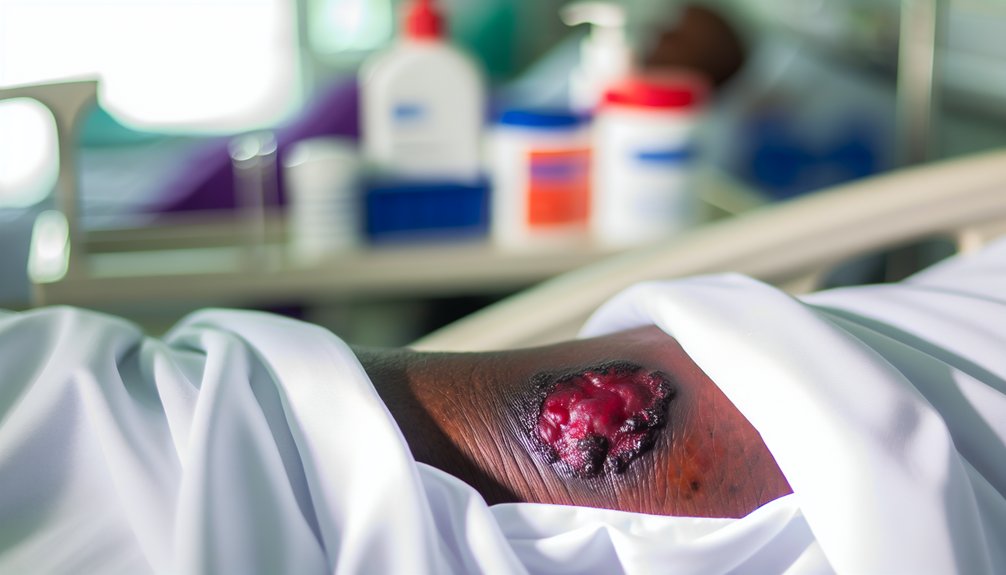
Understanding pressure ulcers is crucial, especially for caregivers and individuals with limited mobility. Pressure ulcers, commonly referred to as bedsores, occur due to prolonged pressure on the skin, particularly over bony areas like the heels and hips. These ulcers can develop in as little as two hours of sustained pressure, highlighting the importance of prevention.
The symptoms of pressure ulcers include skin discoloration, swelling, and the formation of open sores. If not addressed promptly, these can lead to serious infections. Pressure ulcers are classified into stages, from Stage 1, which presents as red or pink skin, to Stage 4, where deeper tissues, including muscles and bones, may be visible.
To effectively prevent pressure ulcers, it’s essential to adopt a few key strategies. Regularly repositioning individuals who are immobile can significantly reduce the risk. Maintaining good skin hygiene is also important, as clean skin is less prone to damage.
Additionally, ensuring adequate nutrition and hydration supports overall skin health, making it more resilient against pressure injuries.
Causes and Risk Factors

Pressure ulcers are a significant concern for individuals with limited mobility, as they can develop quickly when blood flow to the skin is restricted. Understanding the main causes and risk factors associated with pressure ulcers is crucial for prevention and care.
One of the primary risk factors is immobility, which can stem from various health conditions. For example, individuals who are bedridden or have conditions that limit movement are at a higher risk. Additionally, advanced age, particularly those over 70, increases susceptibility to these injuries.
Incontinence can also contribute to skin breakdown, as moisture can lead to further skin irritation. Nutrition and hydration play vital roles in skin health; inadequate intake can weaken the skin and make it more prone to injury.
Individuals with spinal cord injuries or chronic illnesses often lack sensory perception, making it difficult for them to feel discomfort and reposition themselves to alleviate pressure. Friction and shear forces, which occur when the skin rubs against surfaces like bedding or clothing, can exacerbate the risk of developing pressure injuries.
To effectively prevent pressure ulcers, caregivers should be vigilant in identifying these risk factors early. Implementing proactive care strategies, particularly in nursing home settings, can significantly enhance skin integrity.
This includes regular repositioning, maintaining proper nutrition and hydration, and ensuring that the skin is kept clean and dry. By understanding these factors and taking appropriate measures, we can better protect vulnerable individuals from the painful and often debilitating effects of pressure ulcers.
Symptoms and Staging
Pressure ulcers, commonly known as bedsores, can develop surprisingly quickly—often within just a few hours of sustained pressure on the skin.
It’s crucial to be aware of the early signs, even if they may not be immediately noticeable. Look for changes in skin color, which may present as red, blue, or purplish patches, along with warmth, swelling, and tenderness in the affected area.
If pressure ulcers are left untreated, they can escalate to more serious conditions, such as blisters and open sores. Understanding the staging of pressure ulcers is essential for evaluating their severity and guiding treatment.
- Stage 1: This stage is characterized by non-blanchable redness of the skin.
- Stage 2: This stage involves a shallow wound with partial skin loss.
- Stage 3: At this stage, the ulcer penetrates into the fatty tissue beneath the skin.
- Stage 4: This is the most severe stage, where the ulcer exposes muscle, tendon, or even bone.
Infected pressure ulcers may emit unpleasant odors and can lead to systemic symptoms like fever and chills, indicating a more serious issue.
Early detection and intervention are critical, as they can significantly improve healing outcomes and prevent the progression to more severe stages.
If you suspect a pressure ulcer, it’s important to seek medical advice promptly to ensure appropriate care and management.
Diagnosis and Treatment Options
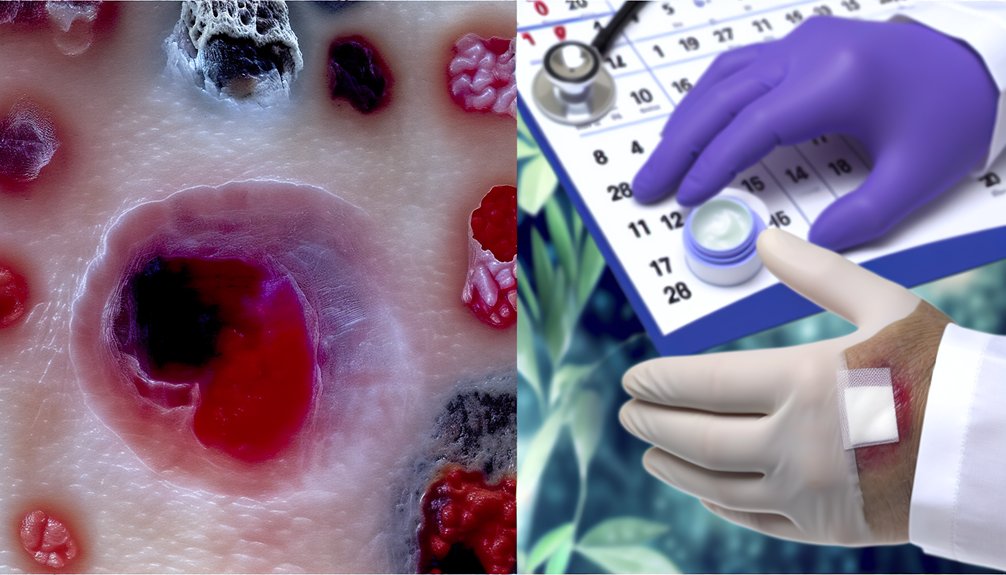
Identifying and classifying pressure ulcers is essential for effective treatment. When diagnosing pressure ulcers, a healthcare professional conducts a visual examination and categorizes the ulcers into stages, ranging from Stage 1 (mild) to Stage 4 (severe), based on the depth of tissue damage.
For Stage 1 and Stage 2 pressure ulcers, treatment typically involves wound cleaning, regular dressing changes, and strategies for relieving pressure on the affected area.
In more advanced stages, such as Stage 3 and Stage 4, surgical interventions like skin grafts may be necessary to promote healing.
In addition to these treatments, managing pain and preventing infection are critical components of care. This may include the use of medications, such as non-steroidal anti-inflammatory drugs (NSAIDs) and antibiotics when needed.
Nutrition also plays a vital role in the healing process, and a high-protein diet is often recommended to support tissue repair.
Finally, regular monitoring and follow-up care are important to assess healing progress and make any necessary adjustments to the treatment plan.
Prevention Strategies

To effectively prevent pressure ulcers, it’s important to practice regular repositioning, moving individuals at risk at least every two hours.
Good skin care hygiene is also key; keeping the skin clean and dry helps reduce moisture-related risks.
By focusing on these strategies, you can significantly lower the chances of bedsores developing.
Now, let’s explore some additional measures that can further enhance skin integrity and overall well-being.
Regular Position Changes
Regular position changes play a crucial role in preventing pressure ulcers, which can be a significant concern for individuals with limited mobility. By redistributing weight, regular repositioning helps alleviate pressure on the skin’s vulnerable areas.
Here are some key points to consider for effective positioning techniques:
- Repositioning Frequency: To ensure optimal blood flow and reduce the risk of pressure injuries, it’s recommended to change positions every two hours for individuals in bed and every hour for those sitting in a chair. This practice is essential for maintaining skin health.
- Specialized Equipment: Utilizing specialized mattresses and cushions can greatly enhance comfort and provide better support for bony areas. These tools are designed to relieve pressure and can make a significant difference in preventing skin breakdown.
- Monitoring and Scheduling: Caregivers should establish a clear repositioning schedule and regularly monitor skin integrity. Keeping an eye out for early signs of pressure injuries, such as redness or discomfort, allows for timely interventions and helps maintain overall skin health.
By following these guidelines, caregivers can effectively reduce the risk of pressure ulcers and promote better outcomes for those in their care.
Regular position changes aren’t just a routine task; they’re a vital component of compassionate and effective care.
Skin Care Hygiene
Maintaining effective skin care hygiene is crucial for preventing pressure ulcers, especially for those at increased risk. Clean and dry skin is the first line of defense, so it’s important to bathe regularly using a mild soap, paying special attention to areas prone to moisture buildup.
Daily moisturizing plays a key role in skin health. It helps prevent dryness and cracking, which can make the skin more susceptible to pressure injuries. To stay proactive, conduct daily skin assessments to look for any signs of redness or breakdown. These early indicators can be pivotal in preventing more serious issues.
For individuals dealing with incontinence, changing pads frequently is essential. Keeping the skin dry helps prevent moisture-related damage, which can lead to complications.
Additionally, consider using specialized skin care products, such as barrier creams, to protect vulnerable areas from friction and moisture. These products can significantly reduce the risk of developing pressure ulcers.
Living With Pressure Ulcers

Living with pressure ulcers means staying on top of daily care routines to keep your skin healthy and prevent any further issues.
It’s important to manage pain effectively and ensure that your nutrition supports your healing process. By paying attention to these areas, you can enhance your overall well-being and support your recovery.
Now, let’s look at some practical strategies that can help you in this journey.
Daily Care Practices
To effectively prevent and manage pressure ulcers, it’s important to establish daily care practices that prioritize skin health and overall well-being. Here are three essential practices to consider:
- Daily Skin Assessments: Conducting regular skin assessments is crucial. Look for any changes in color, texture, or temperature. Early detection of any issues can significantly enhance your ability to manage pressure ulcers effectively. If you notice any areas of concern, consult with a healthcare professional for guidance.
- Repositioning: Repositioning is vital to alleviate pressure on areas prone to ulcers. Aim to change positions at least every two hours. This simple practice can be a key factor in preventing new pressure ulcers from developing. If you or a loved one has mobility challenges, consider using specialized cushions or mattresses designed to reduce pressure.
- Hygiene and Nutrition: Maintaining good hygiene is essential for skin health. Clean your skin daily using a mild soap, and ensure that it’s thoroughly dried afterward. Additionally, a well-balanced diet rich in protein can bolster skin health and support healing. Foods like lean meats, dairy, and legumes can be beneficial.
Incorporating the support of caregivers in daily routines can enhance these practices. Having consistent assistance can help ensure that skin assessments, repositioning, and hygiene practices are followed regularly, which is vital for effective pressure ulcer management.
Managing Pain Effectively
Managing pain associated with pressure ulcers is crucial for ensuring both comfort and effective healing. Untreated pain can limit mobility and worsen the condition, making it important to address it proactively. A common approach to pain management includes the use of nonsteroidal anti-inflammatory drugs (NSAIDs) and topical analgesics, which can provide relief during wound care procedures.
Regularly assessing your pain levels is essential. Ignoring pain can’t only reduce your ability to move but can also delay the healing of pressure sores.
To develop a personalized pain management plan, it’s beneficial to work with a multidisciplinary team that includes nurses, physicians, and pain management specialists. This team can tailor strategies to your specific needs and may suggest non-pharmacological methods, such as relaxation techniques or distraction methods, to enhance your comfort.
Nutritional Support Importance
Managing pressure ulcers can indeed be a complex process, but one of the most effective ways to support your healing is through proper nutritional support. Adequate nutrition is vital not only for speeding up recovery but also for preventing additional complications.
Here are some practical tips to help you prevent ulcers:
- High-Protein Diet: Incorporating protein-rich foods into your meals is essential. Protein aids in skin repair and helps reduce the time it takes for wounds to heal. Good sources include lean meats, fish, dairy products, legumes, and nuts.
- Key Nutrients: Ensuring you receive vitamins A, C, and E, along with zinc, is crucial for collagen formation and immune function. These nutrients support your body’s ability to heal and maintain healthy skin. For example, vitamin C can be found in citrus fruits and bell peppers, while zinc is abundant in meat, shellfish, and whole grains.
- Stay Hydrated: Keeping hydrated is vital for skin health. Adequate fluid intake helps maintain skin elasticity, reducing the risk of breakdown. Aim to drink plenty of water throughout the day and include hydrating foods like fruits and vegetables in your diet.
Working with healthcare providers to develop personalized nutritional plans can significantly enhance your healing journey and overall well-being.
Prioritizing nutritional support is a crucial step in effectively managing pressure ulcers and promoting recovery.