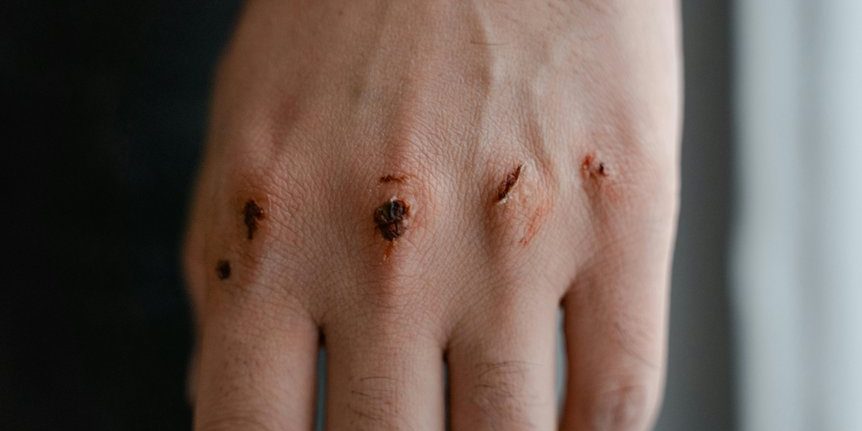
If you’ve recently dealt with a traumatic wound, like a laceration or puncture, you might be wondering how to properly care for it. The importance of prompt and effective wound care can’t be overstated, as it plays a critical role in preventing infection and ensuring your wound heals correctly. Keeping the area clean and dry is essential, but there are other steps to consider as well. Have you noticed any signs of infection, or do you have questions about your recovery diet? Understanding these aspects can make a significant difference in your healing journey. Discover more effective wound care tips that could help you along the way in the full guide.
Understanding Traumatic Wounds
Traumatic wounds are unexpected injuries that affect the skin and the tissues beneath it. These injuries require prompt care to avoid complications.
There are various types of traumatic wounds, including abrasions, lacerations, incisions, puncture wounds, and avulsions, each with its own risk profile for infections. The nature of the injury and the level of contamination play significant roles in determining the risk of infection.
To effectively manage deep traumatic wounds, start by cleaning the area thoroughly. This step is crucial for removing debris and lowering the risk of infection.
After cleaning, use appropriate dressings to protect the wound and support the healing process. It’s important to monitor the wound for signs of infection, which may include redness, warmth, or discharge. If you observe any of these symptoms, seek professional medical assistance as soon as possible.
Proper management of traumatic wounds is key to ensuring optimal healing and preventing complications. By understanding the types of wounds and how to care for them, you can take proactive steps to protect your health and well-being.
Types of Traumatic Wounds
When handling traumatic wounds, it’s important to recognize the various types you might come across.
Common injuries include abrasions and lacerations, while puncture wounds and avulsions can bring their own set of challenges.
Each type needs its own approach to care to help with healing and minimize the chance of infection.
Understanding these differences will help you provide better care and prepare you for the next steps in wound management.
Abrasions and Lacerations Defined
Abrasions and lacerations are two common types of wounds that many people encounter in their daily lives, whether from sports, household activities, or accidents. Understanding the differences between them is crucial for effective care and healing.
Abrasions are superficial wounds that occur when the top layer of skin is scraped off, often due to friction against a rough surface. These wounds typically result in minimal bleeding and can usually heal on their own without the need for extensive medical treatment. For example, if you fall and scrape your knee on the pavement, that’s an abrasion. They may be painful, but the healing process is generally straightforward.
On the other hand, lacerations are more severe injuries. They involve deeper cuts with jagged or irregular edges that penetrate through the skin layers. Lacerations can vary widely in depth and severity, often resulting in more significant bleeding. For instance, if you accidentally cut your hand with a knife, that would be considered a laceration. These wounds typically require careful cleaning and might need stitches to ensure proper healing and minimize scarring.
Both abrasions and lacerations carry a risk of infection if not properly treated. It’s essential to monitor the wounds for any signs of infection, such as increased redness, swelling, or discharge.
Immediate care steps include applying gentle pressure to control bleeding, cleaning the area with mild soap and water, and covering it with a sterile bandage. If you’re unsure about the severity of the wound or if it requires professional medical attention, it’s always a good idea to consult with a healthcare provider.
Incisions and Puncture Wounds
Incisions and puncture wounds are two types of injuries that require careful attention to ensure proper healing. Understanding the differences between them can help you provide the right care.
Incisions are clean cuts typically made during surgical procedures. They often have smooth edges and are usually closed with sutures, staples, or adhesives. To prevent infection, it’s essential to follow proper incision care guidelines. Generally, incisions heal within about two weeks; however, keeping the area clean and monitoring for any signs of complications is crucial for a successful recovery.
Puncture wounds, on the other hand, occur when sharp objects penetrate the skin. These injuries can affect deeper tissues and may pose a higher risk of infection. It’s important to seek medical evaluation for puncture wounds, especially if they’re deep or caused by potentially contaminated objects. Effective treatment for puncture wounds includes cleaning the area thoroughly and keeping it dry. Watch for symptoms of infection, such as increased redness, swelling, or discharge.
Regardless of the type of wound, using proper dressing techniques is vital. A good dressing helps protect against contamination and maintains a moist environment, which is conducive to healing.
Always follow care instructions closely, as this will support the best possible recovery.
Avulsions and Bite Types
Avulsions and bites are both types of traumatic wounds, but they’ve distinct characteristics and treatment requirements. An avulsion occurs when deep layers of tissue are torn away, often resulting in significant bleeding. This type of injury demands immediate medical attention. Proper management typically involves cleaning the wound to prevent infection, applying sterile dressings, and in some cases, surgical intervention may be necessary to repair the damage.
Bites, which can come from humans or animals, carry a different set of concerns. They pose a higher risk of infection due to the introduction of bacteria through the skin. It’s crucial to carefully assess any bite for signs of infection and to ensure that tetanus vaccinations are up to date. Depending on the nature of the wound, a healthcare provider may prescribe antibiotics to prevent infection.
Both avulsions and bites can complicate the healing process, making prompt evaluation and treatment essential. Understanding how to properly care for these injuries can significantly impact recovery.
If you or someone you know experiences either type of injury, seeking medical advice is important for effective treatment and to minimize the risk of complications.
Recognizing Signs of Infection
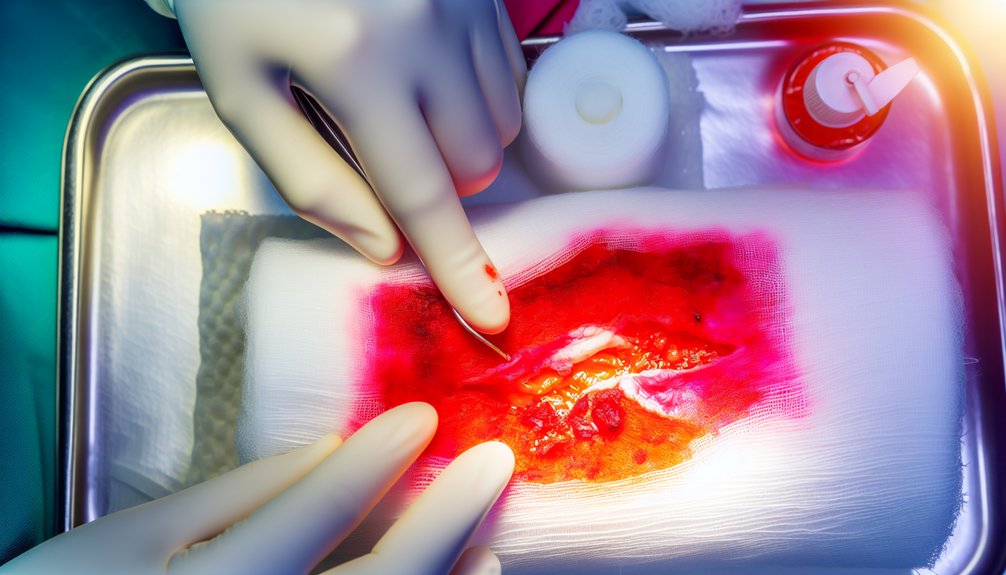
Recognizing the signs of infection in a wound is crucial for ensuring a smooth recovery after surgery. Being vigilant can help you catch any potential complications early on. Here are some key signs to watch for:
- Increased Redness: A small amount of redness is normal, but if the area around the wound becomes increasingly red, it could indicate an infection.
- Drainage: Pay attention to any drainage from the wound. If it becomes thick, discolored, or has an unusual odor, these can be signs of infection.
- Swelling: Some swelling may be expected, but if it persists or worsens despite elevating the area, it could be a sign of trouble.
- Fever: A fever above 101.0°F, along with other systemic symptoms like chills, is another warning signal that shouldn’t be ignored.
- Pain Changes: If you experience new or worsening pain at the wound site, this may also suggest an infection that requires medical attention.
Regularly inspecting your wound is essential for early detection of any changes.
If you notice any of these signs or have concerns, it’s important to contact your healthcare provider promptly. Early intervention can significantly improve your recovery and reduce the risk of complications.
Always trust your instincts—if something doesn’t feel right, reach out for professional advice.
Essential Post-operative Wound Care Principles
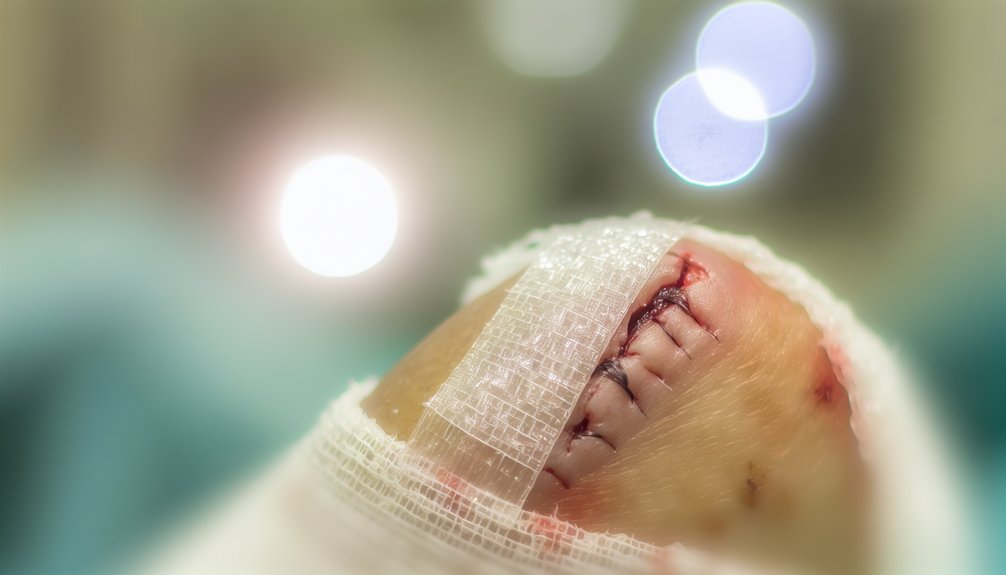
Post-operative wound care is crucial for ensuring proper healing and avoiding complications. Keeping the edges of the wound clean and well-aligned is essential for effective recovery.
It’s important to regularly check for signs of infection, such as redness, warmth, or unusual discharge—early detection is key to addressing any issues that may arise.
Maintaining a moist wound environment is beneficial, as it promotes healing and can reduce scarring. Using the right dressings helps achieve this moisture balance.
When cleaning the wound, gently use warm saline or water; avoid scrubbing, as this can interfere with the healing process.
Always follow your healthcare provider’s instructions on how to change dressings and any activity restrictions you may have.
By adhering to these post-operative wound care principles, you support your healing journey and significantly lower the risk of complications like wound dehiscence.
This approach leads to a smoother recovery, allowing you to get back to your daily activities with confidence.
Keeping Wounds Clean and Dry
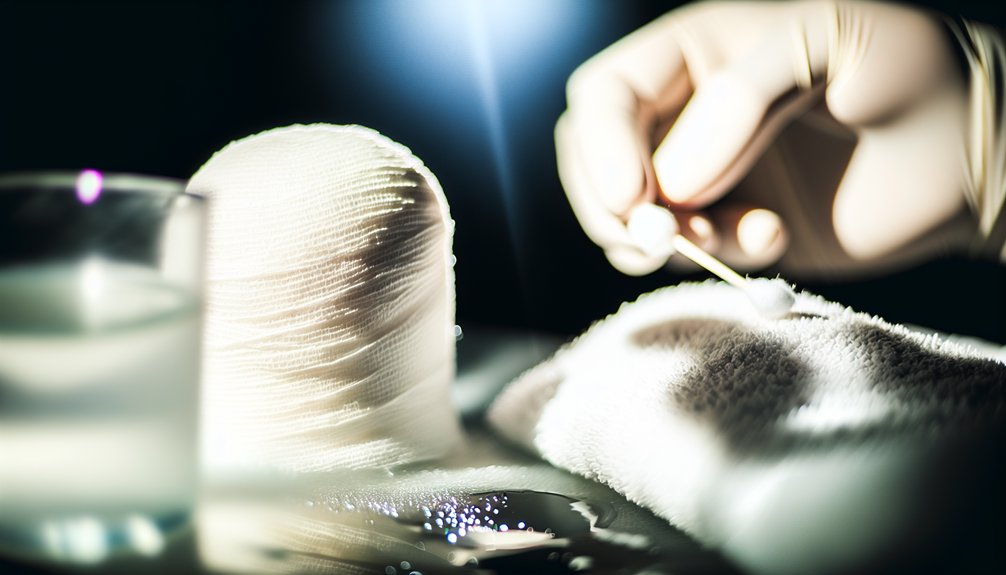
Keeping your wound clean and dry is important for preventing infections and helping it heal properly.
It’s a good idea to change your dressing as directed and keep an eye out for any signs of infection, such as increased redness or unusual discharge.
By staying on top of these basics, you can lower the chance of any complications.
Now that we’ve covered wound care, let’s talk about the next steps in your recovery process.
Importance of Cleanliness
Maintaining cleanliness is crucial for effective wound care, as it significantly lowers the risk of surgical-site infections (SSIs). These infections can complicate healing and lead to further health issues. Here are some essential practices for keeping wounds clean after surgery:
- Cleansing the Wound: It’s important to gently cleanse the wound with soap and water. This helps remove any debris and bacteria that could lead to infection. A simple, thorough wash can make a big difference.
- Changing Dressings: Regularly change the dressings on your wound, and do so immediately if they become wet or dirty. This helps keep the area clean and reduces the likelihood of infection.
- Keeping the Wound Dry: Moisture can lead to infections, so keeping the wound dry is essential. Be mindful of any activities that might expose the wound to water.
- Using Appropriate Dressings: Select dressings that create a moist environment conducive to healing while also blocking out contaminants. Some dressings are designed specifically for this purpose, so it’s worth consulting with a healthcare professional for recommendations.
- Monitoring for Infection: Keep an eye on the wound for any signs of infection, such as increased redness, swelling, or unusual discharge. Early detection is key in addressing potential complications.
By following these guidelines, you can promote healing and minimize the risk of infections.
Dressing Change Guidelines
Changing a wound dressing requires careful attention to ensure the area remains clean and promotes healing.
It’s important to start by washing your hands thoroughly before and after the dressing change. This step is crucial for minimizing the risk of infection.
When you remove the old dressing, do so gently to avoid disturbing any healing tissue. Clean the wound using mild soap and water or a cleanser recommended by your healthcare provider.
If your provider has advised it, you can apply a thin layer of topical ointment before placing a new sterile dressing over the wound.
Ensure that the new dressing is secured properly. It should protect the wound from contaminants while allowing some airflow, which is important for the healing process.
It’s typically recommended to change the dressing daily or whenever it becomes wet or dirty. This practice helps maintain ideal conditions for wound care, especially for minor injuries.
By following these guidelines, you can support proper healing and reduce the risk of complications.
If you have any questions or concerns about your wound care, don’t hesitate to reach out to your healthcare provider for personalized advice.
Monitoring for Infection
Monitoring your wound for signs of infection is essential to ensure a smooth recovery. Regularly check for signs such as increased redness, warmth, swelling, or any unusual discharge like pus or a foul odor.
Here are some practical tips for effective wound care:
- Keep the Wound Clean and Dry: Gently wash the wound with soap and water to remove any dirt or bacteria. Avoid scrubbing, as this can irritate the skin.
- Follow Dressing Change Instructions: Adhering to your healthcare provider’s guidelines on how and when to change the dressing is crucial to prevent contamination and promote healing.
- Avoid Soaking the Wound: Until your wound has fully healed, refrain from soaking it in water (like baths or swimming) to reduce the risk of infection.
- Use a Sterile Dressing: After cleaning the wound, apply a clean, sterile dressing to protect it from bacteria and keep it covered until it’s healed.
- Watch for Systemic Signs of Infection: Be alert for symptoms beyond the wound itself, such as fever, chills, or unusual fatigue. If you notice any of these signs, contact your healthcare provider immediately.
By staying proactive and vigilant in monitoring your wound, you can significantly enhance your recovery process.
Importance of Dressings in Healing
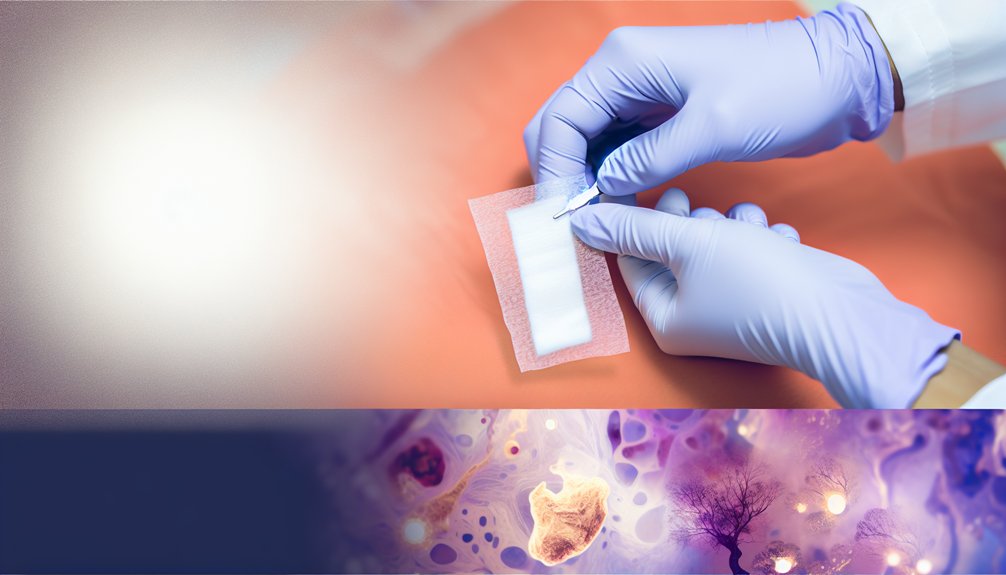
Dressings play a vital role in the healing process of wounds. They create a moist environment that’s crucial for recovery and can help reduce scarring. By acting as a barrier, dressings protect the wound from contaminants and pathogens, significantly lowering the risk of surgical-site infections (SSIs).
When caring for a surgical site, it’s important to choose the right dressing based on the specific characteristics of the wound, such as its size, depth, and the amount of drainage (exudate) it produces. Regularly changing dressings is essential not only for infection prevention but also for monitoring the wound’s progress. This practice allows you to evaluate how well the wound is healing and make any necessary adjustments to the care plan.
In addition to protecting against infection, appropriate dressings manage exudate effectively and safeguard the wound from physical trauma. This support is crucial for facilitating faster recovery.
Tips for Promoting Healing and Recovery
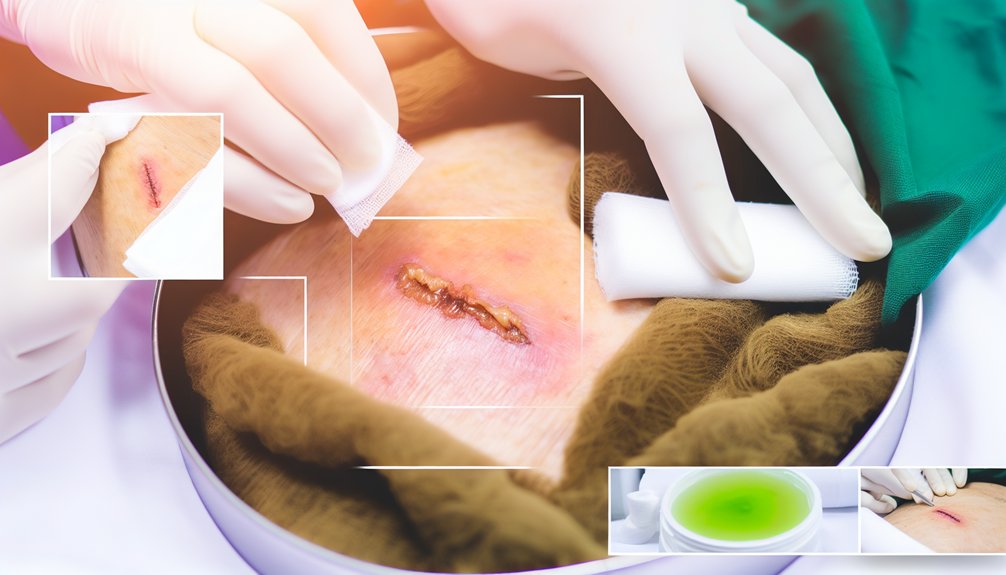
When it comes to effective wound care, understanding how to promote healing and recovery is crucial. Here are practical tips to help you manage healing after surgery and effectively treat trauma wounds:
- Maintain Wound Cleanliness: Keeping the wound clean and dry is essential for healing. Change dressings as instructed by your healthcare provider to prevent infection and promote a healthy healing environment.
- Daily Monitoring: Regularly check the wound for any signs of infection, including increased redness, swelling, warmth, or discharge. If you notice any concerning changes, contact your healthcare provider promptly.
- Nourish Your Body: A healthy diet plays a significant role in wound healing. Focus on consuming foods rich in protein and essential nutrients. These nutrients are vital for tissue repair and can expedite the healing process.
- Follow Care Instructions: Adhering to specific care guidelines from your healthcare professional is important. This includes any activity limitations that may be recommended to avoid putting unnecessary strain on the healing wound.
- Stay Hydrated and Avoid Nicotine: Adequate hydration is key to supporting overall recovery. Additionally, avoiding nicotine products is essential, as they can impair blood circulation and slow down the healing process.
By following these tips, you can support your body’s natural healing mechanisms and promote a smoother recovery journey.