
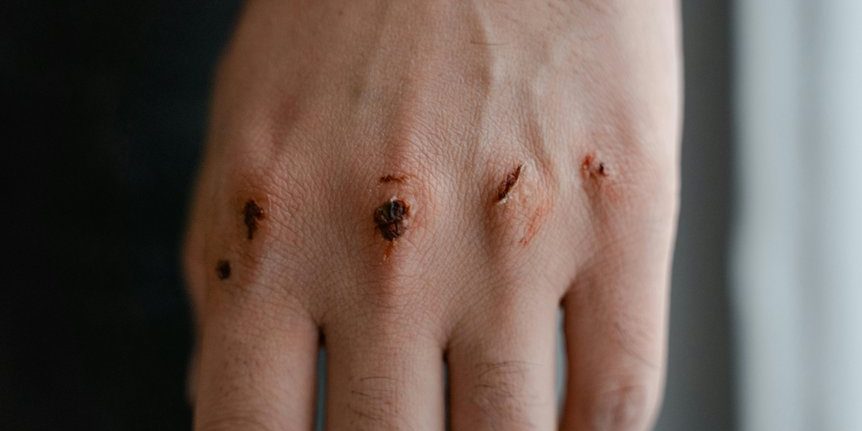
Are you worried about how to care for a wound and prevent unsightly scars? It’s a common concern, especially if you’re dealing with a recent injury. Understanding how to properly care for your wound not only helps in minimizing scars but also promotes a healthy healing process. The way we treat our wounds can have a lasting impact on our skin’s appearance and health. Curious about the best practices to ensure your wound heals well? Let’s explore some essential steps and tips that can make a difference in your recovery journey.
Understanding the Healing Process
Understanding the healing process is crucial when it comes to minimizing scarring after an injury. The journey of wound healing consists of several key stages.
Initially, during the hemostasis phase, which occurs within the first three days after the injury, the body works to stop the bleeding. Blood vessels constrict, and clots form to prevent further blood loss. This is a vital step that sets the foundation for the healing process.
Following this, the inflammatory stage begins. Here, the immune system activates, and immune cells rush to the site of the wound to eliminate bacteria and remove debris. This phase is essential for preventing infection and ensuring that the wound can heal properly.
Next is the proliferation phase, where new skin cells start to regenerate, and fibroblasts play a key role in producing collagen. Collagen is important for providing structural support to the healing tissue, helping to restore the skin’s integrity.
Finally, we reach the remodeling stage. During this phase, which can take up to a year, collagen fibers reorganize, leading to the gradual flattening and softening of scars.
It’s important to note that several factors can influence the outcome of scarring. These include the depth and size of the injury, its location on the body, and individual genetic factors.
Understanding these stages and influences can help you take proactive steps in the healing process, ultimately reducing the appearance of scars.
Importance of Keeping Wounds Clean
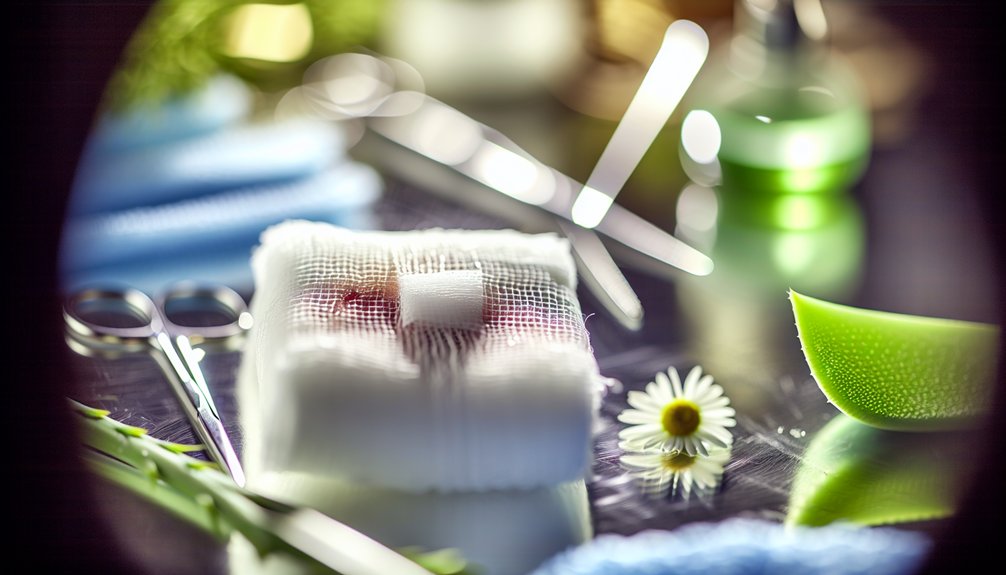
Keeping your wounds clean is really important for preventing infection and helping them heal properly.
It’s a good idea to set up a daily cleaning routine with some mild soap and water to take care of any dirt or contaminants. By focusing on hygiene, you can lower the chances of scarring and have a smoother recovery process.
Speaking of recovery, it’s also worth considering how your overall health can play a role in healing.
Daily Cleaning Routine
A daily cleaning routine is essential for effective healing of cuts and scrapes. By cleaning your wounds with mild soap and water, you can effectively remove germs and debris, which helps reduce the risk of infection and supports the healing process.
Regular wound cleaning is important; making it part of your daily routine can prevent complications and minimize scarring.
It’s advisable to avoid using antibacterial ointments unless specifically recommended by a healthcare professional, as these can sometimes cause irritation instead of aiding in the healing process.
Keeping the wound clean also plays a crucial role in managing inflammation. Excessive inflammation can increase the chances of scarring, so maintaining cleanliness can help control this.
Incorporating a daily cleaning routine into your post-injury skin care is beneficial for creating optimal healing conditions and aiding your skin’s natural repair processes.
Infection Prevention Strategies
Keeping wounds clean is a vital part of preventing infections, which can interfere with healing and lead to scarring. Infection prevention strategies begin with daily wound care—washing the wound gently with mild soap and water. This practice effectively removes germs and debris, crucial for maintaining a clean environment around the wound.
It’s important to avoid using anti-bacterial ointments unless they’ve been specifically recommended by a healthcare professional, as these can sometimes irritate the wound and impede the healing process.
Regularly changing bandages is another key aspect, as it helps keep the wound covered and clean, thereby reducing the risk of infection.
Creating a clean and moist environment around the wound can further support healing and decrease inflammation, which is essential for minimizing scarring.
Importance of Hygiene
Maintaining proper hygiene is crucial for effective wound care. Good hygiene practices directly influence the healing process and help reduce the risk of scarring. When you keep your wounds clean by gently washing them with mild soap and water, you remove germs and debris that could lead to infection, thereby promoting faster healing.
It’s important to clean your wound at least once a day. This routine supports your body’s natural healing abilities. While it might be tempting to use anti-bacterial ointments, it’s best to avoid them unless specifically recommended by a healthcare professional, as they can sometimes cause irritation and actually delay healing.
Focusing on proper wound hygiene helps minimize prolonged inflammation, which is a factor that can contribute to scarring and the development of keloids. After cleaning, always cover your wound with a clean bandage. This simple step protects the wound from contaminants and plays a vital role in effective aftercare.
Moisture and Bandaging Techniques
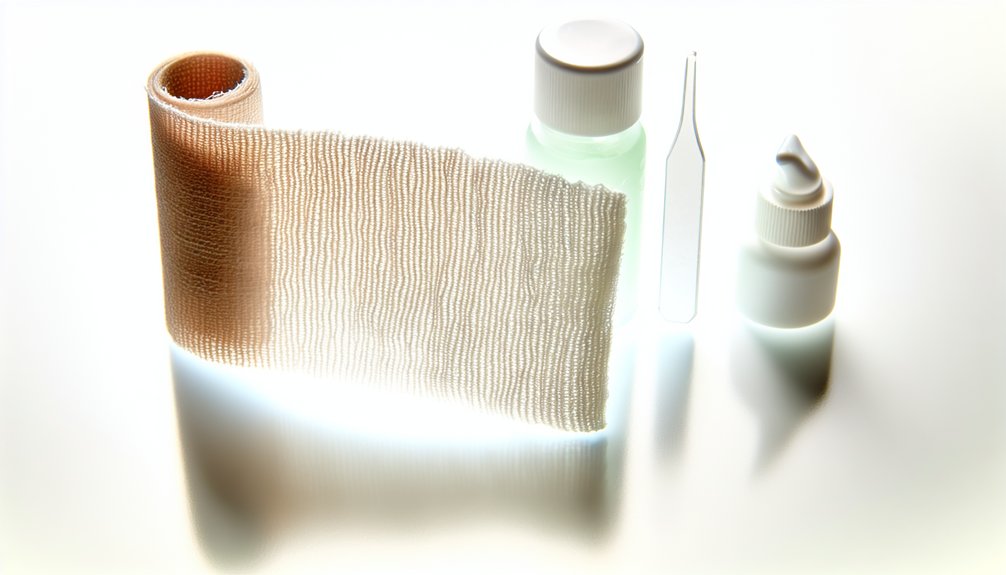
To help reduce scarring, it’s really important to keep wounds moist while they heal. Applying bandages correctly can protect the injury from dirt and germs while creating a moist environment that helps lessen inflammation.
Plus, changing the dressings regularly keeps things clean and helps prevent infections, which is key for proper healing.
Now that we’ve covered the importance of moisture and bandaging, let’s look at some effective techniques for wound care that can aid in the healing process.
Keeping Wounds Moist
Keeping wounds moist is a key factor in promoting effective healing and minimizing scar formation. When a wound is kept moist, it can heal more quickly and with fewer complications. One simple method to maintain moisture is by applying petroleum jelly directly to the wound. This prevents scab formation, which can interfere with the healing process and lead to more prominent scars.
After applying petroleum jelly, it’s important to cover the wound with an adhesive bandage. This not only protects the wound from dirt and bacteria but also helps to retain moisture, creating an ideal environment for healing. For larger wounds, hydrogel or silicone gel sheets can be particularly effective, as they’re designed to maintain moisture while providing a protective barrier.
To ensure cleanliness and aid in healing, bandages should be changed daily. This practice helps to reduce the risk of infection and further promotes a moist environment, which is crucial for recovery.
It’s also advisable to be cautious with the use of anti-bacterial ointments. While they may seem beneficial, these products can sometimes disrupt moisture retention and should only be used when specifically recommended by a healthcare professional.
Proper Bandage Application
When applying a bandage, it’s important to ensure the wound stays clean and moist to promote optimal healing. Start by cleaning the wound thoroughly and then applying a thin layer of petroleum jelly. This helps retain moisture and prevents scab formation, which can hinder healing.
Next, cover the wound with an adhesive bandage. This not only protects the injury from dirt and bacteria but also maintains a moist environment, which is crucial for effective healing.
If you’re dealing with a larger injury, you might want to consider using hydrogel or silicone gel sheets. These options are excellent for moisture retention and can help reduce the appearance of scars.
Keeping the wound properly covered is also beneficial because it minimizes friction and movement, which can lead to thicker scars.
Changing Dressings Regularly
Changing dressings regularly is a crucial step in ensuring proper wound healing. By doing so, you help maintain a clean environment for the wound, significantly reducing the risk of infection—an important factor for recovery and minimizing scar formation.
To effectively manage your dressings, aim to change them at least once a day. This frequency helps ensure that the wound stays clean and free from bacteria.
When replacing the bandage, gently clean the wound using mild soap and water. This step is essential to remove any debris or bacteria that may have accumulated.
Applying a thin layer of petroleum jelly can be beneficial as it helps keep the wound moist. This moisture is important because it can prevent scabs from forming, which often leads to faster healing times.
For larger injuries, consider using hydrogel or silicone gel sheets. These options provide additional moisture and protection, enhancing the healing process.
When applying a new adhesive bandage, make sure to secure it well to prevent unnecessary movement. Limiting movement reduces irritation, which can otherwise contribute to more noticeable scarring.
Protecting Scars From Sun Exposure

To effectively minimize the appearance of scars, protecting them from sun exposure is crucial. UV light can cause discoloration, making scars more noticeable. To safeguard your scars, start by applying a broad-spectrum sunscreen with an SPF of 30 or higher on healed scars. This will help shield them from harmful UV rays.
It’s important to reapply sunscreen every two hours, particularly after swimming or sweating, to ensure continuous protection.
In addition to sunscreen, consider using clothing or physical barriers to cover your scars when you plan to be outdoors for extended periods. This extra layer can offer significant protection against sun damage.
It’s worth noting that sun protection should be maintained for at least one year after an injury, as scars can remain sensitive and vulnerable during their maturation process.
Following these guidelines can greatly enhance your scar healing journey and improve their overall appearance. Remember, consistent care and protection are key to achieving the best results.
When to Seek Professional Help
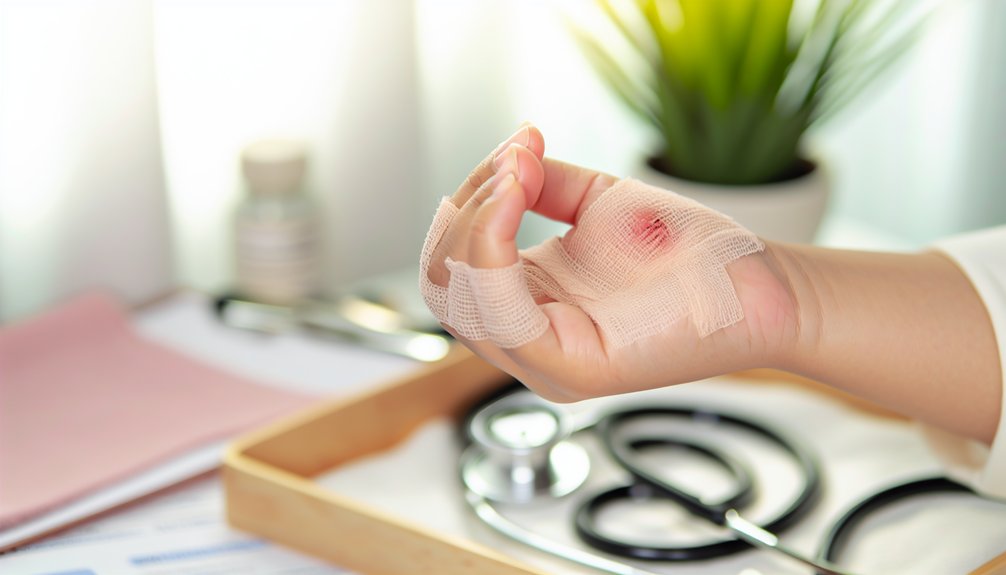
Knowing when to seek professional help is crucial for effective healing and minimizing the risk of scarring. Here are some clear signs that indicate it’s time to consult a healthcare professional:
- Deep or Painful Injuries: If your injury is deep or causes significant pain, it’s essential to get medical attention. Such wounds can lead to complications if not properly assessed and treated.
- Signs of Infection: Look out for symptoms like increased redness, swelling, warmth, or discharge from the wound. These can indicate an infection that requires prompt intervention.
- Persistent or Unusual Wounds: If a wound isn’t healing as expected or shows any unusual changes, seeking medical advice is important. Healthcare providers can identify underlying issues that may be affecting the healing process.
- Concern About Scarring: If scars are prominent and affecting your self-esteem or daily life, consider consulting a dermatologist. They can offer treatments and strategies to improve the appearance of scars.
- Injuries in Tension-Prone Areas: For surgical wounds or injuries located in areas of the body that experience tension, professional assessment is vital. These areas may require specialized care to ensure proper healing.
Timely intervention can make a significant difference in your recovery.
If you have any concerns about new scars or your healing journey, don’t hesitate to reach out for professional help. Your health and well-being are important, and getting the right care can facilitate better healing outcomes.
Effective Scar Treatment Options
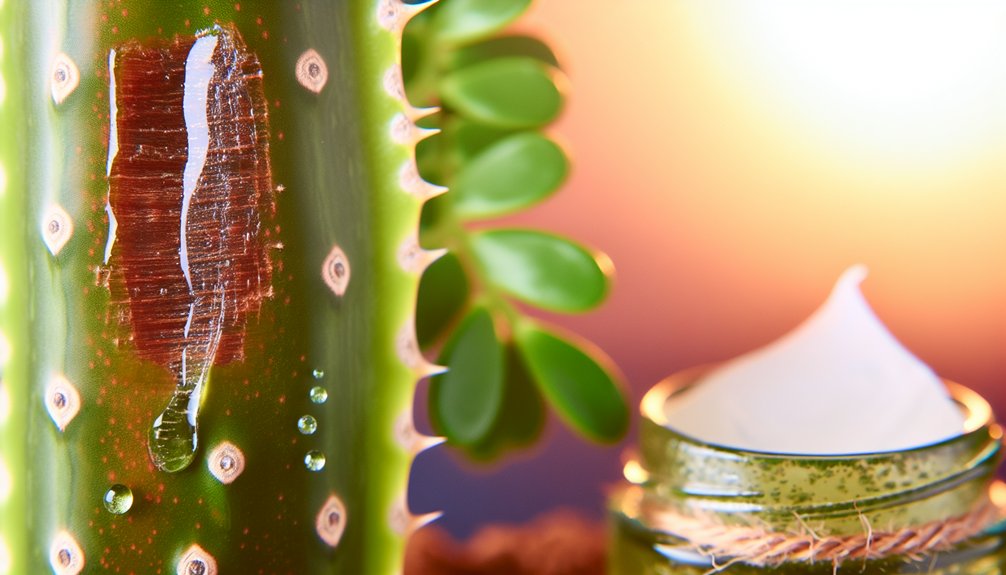
When it comes to effective scar treatment options, there are several methods that can significantly improve the appearance of scars. One of the most accessible options are topical treatments. Silicone gel sheets and medicated creams are particularly effective when used during the early stages of healing. They help to hydrate the scar tissue, which can lead to a flatter and less noticeable scar over time.
For scars that are dented or hollow, dermal fillers can be a valuable solution. These injections restore volume to the affected area, improving the overall texture of the skin and making scars less prominent.
Laser therapy is another well-established option for scar treatment. It works by flattening and softening scars while also reducing discoloration. This method requires multiple sessions, but many patients report significant improvements after completing the treatment plan.
In cases where scars are more pronounced, surgical options, such as scar revision surgery, can be considered. This procedure aims to remove or alter the scar tissue to enhance both function and aesthetics.
Additionally, non-invasive treatments like dermabrasion and chemical peels can be beneficial. These methods work by exfoliating the skin’s surface, promoting new skin growth and resulting in a smoother texture.
Lifestyle Changes to Support Healing

When it comes to scar treatment, understanding the role of lifestyle changes can significantly enhance your healing process. By making specific adjustments in your daily routine, you can naturally support your body’s healing mechanisms and help prevent scarring.
A balanced diet is fundamental for optimal wound healing. Incorporating foods rich in vitamins C and E, zinc, and protein can provide the nutrients your body needs to repair itself effectively. For example, citrus fruits, nuts, seeds, and lean meats can contribute to better skin health and collagen production.
Hydration is another key factor. Drinking plenty of water helps keep skin cells well-hydrated and supports overall skin elasticity. Aim for at least eight glasses of water a day, and adjust based on your activity level and climate.
Avoiding smoking and limiting alcohol intake are also critical for improving circulation and oxygen delivery to your skin. Both smoking and excessive alcohol can impede the healing process, so making these lifestyle changes can be beneficial.
Incorporating gentle exercise into your routine can further enhance blood flow and flexibility, which are essential for recovery. Activities like walking, swimming, or yoga can promote circulation and support overall health.
Lastly, managing stress is vital for skin health. High stress levels can negatively impact your body’s healing capabilities. Mindfulness practices, such as meditation or regular physical activity, can help alleviate stress and contribute to better skin recovery.