
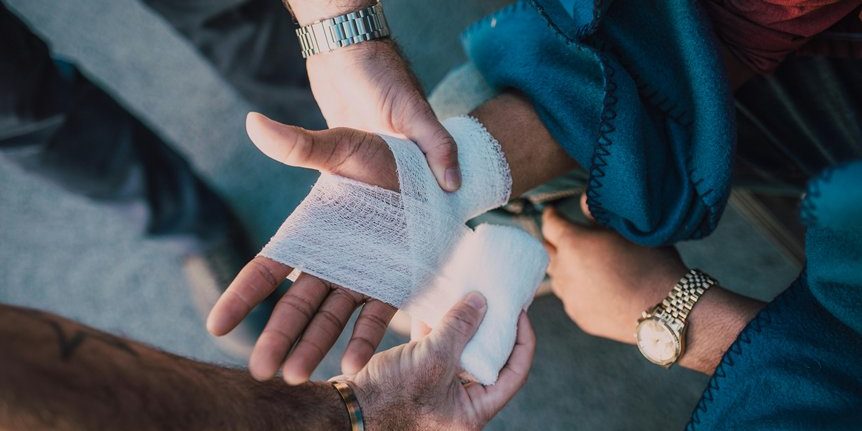
Have you ever found yourself in a situation where you or someone nearby has a wound? It can be a stressful moment, and knowing what to do next is crucial. Understanding the steps for immediate wound care not only helps in managing the situation but also reduces the risk of complications later on. It’s essential to act quickly and calmly to ensure proper healing. But what exactly should you do first? Let’s explore the key steps you need to take to effectively care for a wound and protect yourself or your loved ones from potential infections.
What Is a Wound?
A wound is an injury that affects your skin or other tissues, often resulting from accidents, falls, or contact with sharp objects. Wounds are primarily categorized into two types: open and closed. Open wounds, such as cuts and scrapes, expose the underlying tissues, while closed wounds, like bruises, don’t break the skin barrier.
Common examples of open wounds include abrasions, which are shallow scrapes; lacerations, which are deeper cuts; punctures, caused by sharp objects penetrating the skin; and avulsions, where a portion of skin is torn away. Understanding these types of wounds is important for effective treatment.
For minor wounds, the initial steps of care are straightforward. Start by gently cleaning the area with soap and water to remove dirt and bacteria. After cleaning, applying an antiseptic can help prevent infection. Cover the wound with a bandage to protect it from further injury and to keep it clean.
Monitoring the wound is essential. Look for signs of infection, such as increased redness, swelling, or drainage. If you observe any of these symptoms, it’s important to seek medical attention promptly to avoid complications.
Types of Cuts and Wounds
When it comes to cuts and wounds, it’s important to grasp the distinction between open and closed wounds. Open wounds, such as abrasions and lacerations, reveal the tissues beneath and can vary in how serious they are.
Being familiar with the different types of cuts can guide you in deciding the best treatment for each scenario. This understanding not only aids in managing immediate care but also sets the stage for discussing healing processes and prevention strategies.
Let’s explore those next.
Open Wounds Overview
Open wounds are a common occurrence and can take several forms, each requiring tailored care for optimal healing. Understanding the different types of open wounds is crucial for providing effective first aid and basic wound care. Here are three prevalent types of open wounds:
- Abrasions: These are surface-level scrapes that typically cause minimal bleeding. They can often be treated at home with proper cleaning and bandaging. For example, if you fall and scrape your knee, cleaning the area with soap and water and covering it with a sterile bandage can usually suffice.
- Lacerations: Lacerations are deeper cuts caused by sharp objects, such as knives or glass. These wounds can lead to significant bleeding and often require medical attention. If you sustain a deep cut, it’s important to apply pressure to control bleeding and seek professional help to assess whether stitches or further treatment is necessary.
- Punctures: Puncture wounds are small but can be quite serious. They occur when a sharp object, like a nail or thorn, pierces the skin. These wounds can introduce bacteria deep into the tissue, increasing the risk of infection. If you experience a puncture wound, it’s vital to clean it thoroughly and consult a healthcare provider, especially if the object was dirty or if you haven’t had a tetanus shot in a while.
Being knowledgeable about these types of open wounds enables you to respond effectively. Always start by cleaning the wound with mild soap and water, then apply a sterile bandage.
If the injury is severe or shows signs of infection—such as increased redness, swelling, or pus—don’t hesitate to seek medical assistance. Proper care and timely action can make all the difference in your recovery.
Types of Cuts
Cuts are a common type of wound, and understanding their various forms is essential for effective care. Open wounds can be categorized into several types: abrasions, lacerations, punctures, and avulsions.
Abrasions are minor scrapes that typically involve the top layer of skin, resulting in minimal bleeding. These can usually be treated at home by gently cleaning the area with soap and water, then applying a sterile dressing to protect it.
Lacerations, on the other hand, are deeper cuts often caused by sharp objects. These can lead to significant bleeding, so it’s important to prioritize controlling the bleeding. Depending on the severity, medical evaluation may be necessary to determine if stitches or further treatment is required.
Puncture wounds occur when an object, like a nail, penetrates the skin. While they may appear small and trivial, puncture wounds can introduce bacteria deep into the tissue, increasing the risk of infection. It’s crucial to clean these wounds thoroughly and monitor for any signs of complications, such as increased redness, swelling, or pus.
Understanding the different types of cuts and their implications can help you provide appropriate care and prevent further issues.
Always prioritize cleanliness and seek medical advice when needed to ensure proper healing.
Treatment Approaches
To effectively treat various types of cuts and wounds, it’s important to customize your approach according to the specific injury. Here are some straightforward methods to manage different types of wounds using basic first aid supplies:
- Abrasions: For abrasions, start by gently cleaning the area with soap and water. After cleaning, apply an antiseptic to help prevent infection, and then cover the wound with a bandage. This basic care helps promote healing for minor injuries.
- Lacerations: In the case of lacerations, if you notice severe bleeding, apply direct pressure to the area and seek medical assistance right away. For minor lacerations, clean the wound thoroughly and apply a bandage once the bleeding has stopped. Keeping the area clean is key to preventing complications.
- Punctures: Puncture wounds can often seem minor, but it’s crucial to clean the wound thoroughly and keep an eye out for signs of infection, such as increased redness, swelling, or pus. These injuries can lead to more serious issues, so monitoring is essential.
- Avulsions: If you encounter an avulsion, where skin or tissue is torn away, control the bleeding by applying pressure to the area. It’s vital to seek immediate medical attention in this situation to ensure proper care and treatment.
By understanding these treatment approaches, you can provide proper care for each type of wound, promoting healing and minimizing the risk of infection.
Initial Care for Cuts
When you find yourself dealing with a cut, it’s important to respond promptly and carefully to reduce the chance of infection and support the healing process.
Begin by washing your hands thoroughly to eliminate any potential germs. This step is crucial before you touch the wound.
Next, apply gentle pressure to the cut using a clean cloth or bandage for about 5 to 10 minutes to stop any bleeding. If the bleeding continues, maintain pressure and consider seeking medical assistance.
Once the bleeding has been controlled, rinse the wound under clean running water for 5 to 10 minutes. This helps to wash away any dirt or debris. It’s best to avoid using soap directly on the wound, as it can cause irritation.
After cleaning the cut, apply a thin layer of antibiotic ointment or petroleum jelly. This will help keep the wound moist and reduce the risk of infection.
Finally, cover the cut with a sterile bandage or gauze. Remember to change the dressing daily or whenever it becomes wet to ensure proper wound care.
Cleaning the Wound
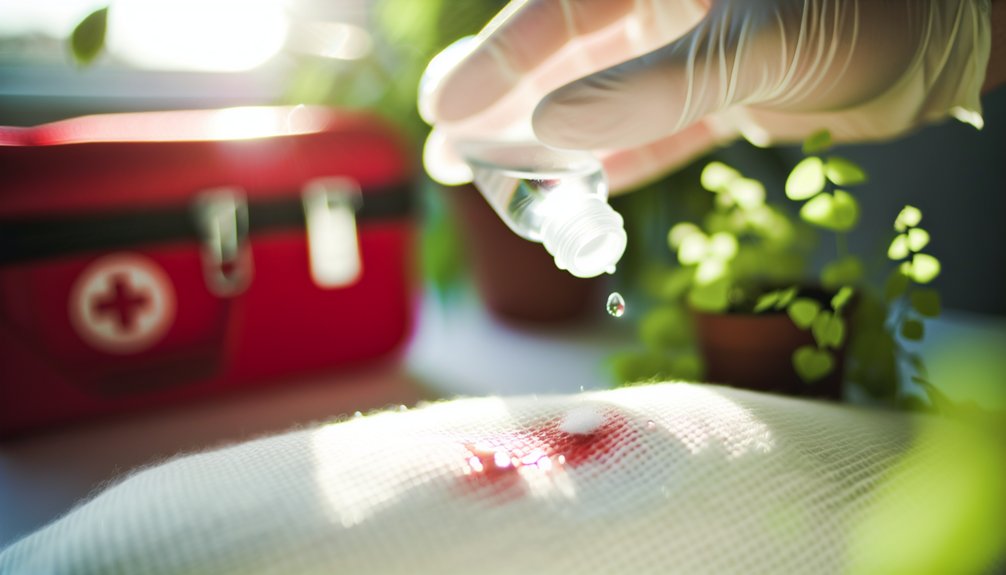
When cleaning a wound, it’s important to have a few supplies on hand, like clean water and an antiseptic.
Start by rinsing the wound with running water for about 5 to 10 minutes to remove any dirt or debris.
Once that’s done, you can apply a thin layer of antibiotic ointment to help with the healing process.
Now that we’ve covered wound care, let’s talk about how to monitor the healing process and recognize any signs of infection.
Gather Necessary Supplies
Gathering the right supplies is crucial for effectively cleaning a wound. Having the necessary supplies on hand ensures a successful first aid response. Here are three essential items you should have:
- Clean water – It’s important to use lukewarm water, as it helps to gently remove dirt and debris without causing discomfort to the injured area.
- Sterile gauze or cloth – After cleaning the wound, you’ll need something to cover it. Sterile gauze or cloth can help protect the wound from further injury and contamination.
- Antibiotic ointment – Applying a thin layer of antibiotic ointment can help prevent infection before you bandage the wound.
In addition to these items, it’s advisable to use clean, disposable gloves if they’re available. Gloves minimize the risk of infection while you’re handling the wound.
Also, keep a clean, dry towel on hand to gently pat the area around the wound dry, as excess moisture can create an environment for infection to thrive.
Rinse With Clean Water
Rinsing with clean water is a crucial step in effective wound care. After gathering your supplies, start by rinsing the wound under clean, running water for at least 5 to 10 minutes. This process is vital as it helps to remove dirt, debris, and bacteria from the wound, which is essential for preventing infection.
It’s important to avoid using soap directly on the wound, as this can cause irritation and may delay the healing process. Instead, if necessary, you can use mild soap to clean the skin surrounding the wound.
Additionally, steer clear of using hydrogen peroxide or iodine on the wound itself, as these substances can damage the tissue and hinder recovery.
When rinsing, ensure the water is comfortably cool; this can help minimize pain and swelling. After you’ve thoroughly rinsed the area, gently pat it dry with a clean towel or gauze.
This careful approach to rinsing with clean water sets the foundation for the next steps in your first aid treatment, promoting better healing outcomes.
Apply Antiseptic Layer
After thoroughly rinsing the wound, the next important step in your home wound care routine is to apply a thin layer of antiseptic. This step is crucial for preventing infection and helping the area remain moist, which aids in healing. Here’s how to do it effectively:
- Select the Appropriate Product: For the antiseptic layer, choose either an antibiotic ointment or petroleum jelly. It’s important to avoid products like hydrogen peroxide or iodine, as these can harm healthy tissue and impede the healing process.
- Ensure the Area is Clean: Before applying the antiseptic, make sure that the skin surrounding the wound is clean. This helps to reduce the risk of infection and promotes a healthier environment for healing.
- Reapply as Needed: For the first two days following the injury, it’s advisable to reapply the antiseptic layer after you wash the wound. This consistent application provides ongoing protection and supports the healing process.
Keep a close watch on the wound for any indications of infection, such as increased redness, swelling, or discharge. If you notice any concerning signs, it’s important to consult a healthcare professional.
Regularly reapplying the antiseptic layer when changing dressings will help ensure optimal healing.
Applying Antibiotic Ointment
Applying antibiotic ointment to a cleaned wound is an important step in preventing infection and supporting the healing process. These ointments typically contain active ingredients such as bacitracin, neomycin, or polymyxin B, which are effective in killing bacteria that could cause infection.
To ensure proper wound care, it’s recommended to apply a thin layer of antibiotic ointment daily for the first two days following the initial cleaning of the wound. You should also reapply the ointment whenever you change the dressing.
Before applying the ointment, make sure the area around the wound is clean to prevent any bacteria from being introduced.
It’s important to note that antibiotic ointment shouldn’t be used on deeper wounds, puncture wounds, or animal bites without consulting a healthcare professional. These types of wounds may require specialized treatment.
By following these guidelines for applying antibiotic ointment, you can significantly reduce the risk of complications and help your wound heal more effectively.
Always prioritize your health and consult with a healthcare provider if you’re unsure about the best care for your wound.
Dressing the Wound
When you dress a wound, starting with clean hands is crucial to avoid introducing bacteria into the injury. Here are some straightforward steps for effectively dressing minor wounds:
- Apply Ointment: Begin by applying a thin layer of antibiotic ointment or petroleum jelly. This helps keep the wound moist, which is important for healing and can reduce the risk of infection.
- Cover Securely: Next, use a sterile bandage or gauze to cover the wound. Ensure that the dressing is secure enough to stay in place, but not so tight that it restricts blood flow. Proper coverage protects the wound from further injury and contamination.
- Change Regularly: It’s essential to change the dressing at least once a day, or sooner if it becomes wet or dirty. While changing the dressing, take the opportunity to check for signs of infection, such as increased redness, swelling, or discharge.
Additionally, remember to dispose of used dressings properly. This not only helps maintain a clean environment but also minimizes the risk of infection.
When to Seek Medical Attention
Knowing when a wound requires professional care is important for your health and well-being. If a wound continues to bleed after you’ve applied direct pressure for several minutes, it’s advisable to seek medical attention.
Additionally, wounds resulting from animal or human bites should always be evaluated by a healthcare professional to reduce the risk of infection.
For wounds that are deep or dirty, particularly those caused by metal objects, consulting a doctor is crucial to ensure proper cleaning and care.
It’s also important to be vigilant for signs of infection. Symptoms such as increasing redness, swelling, warmth, or discharge can indicate that medical evaluation is necessary.
Another consideration is your tetanus vaccination status. If you haven’t received a tetanus shot in the last five years and your wound is deep or dirty, it’s wise to contact a doctor about getting a booster shot.