
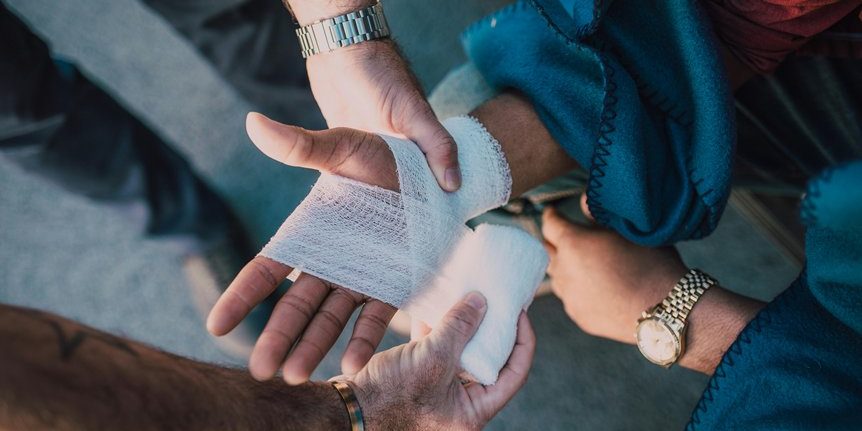
Are you worried about how to properly care for a wound? You’re not alone. Many people wonder which products can help them heal effectively and avoid complications like infections. Understanding the right steps in wound care can make a significant difference in your recovery process. From antiseptics to dressings, knowing what’s available and how they work is essential. In this article, we’ll explore some of the best over-the-counter options to help you navigate your choices and ensure your wounds heal well. Stay tuned to discover what could help you on your healing journey!
Understanding Wound Care Basics
Understanding the basics of wound care is crucial for anyone, especially for those who may have slower healing processes. Proper wound care not only helps to prevent infections but also supports faster recovery.
To begin, always clean the injury thoroughly with soap and water. You may also choose effective wound cleansing solutions to ensure the area is free from dirt and bacteria. After cleaning, apply an appropriate antiseptic solution as needed. This step is important as it significantly reduces the risk of infection.
Next, it’s essential to cover the wound with a bandage. This protects the injury and maintains a moist environment, which can enhance the healing process and reduce scarring. Options like hydrocolloid dressings or antiseptic ointments can be particularly effective in achieving this moisture balance.
Regularly monitor the wound for any signs of infection, such as increased redness, swelling, or pus. If you notice any concerning symptoms, seek professional medical attention promptly.
Additionally, having the right supplies on hand is vital. Make sure you have sterile gauze, adhesive bandages, and antiseptic solutions readily available. Being prepared can make a significant difference in managing wounds effectively.
Importance of Wound Care Management
Effective wound care management is vital for ensuring wounds heal properly and swiftly. Even minor wounds can lead to complications if not cared for correctly. Using appropriate wound care products, such as antiseptic ointments and dressings, is essential. These products help clean the wound, eliminate bacteria, and provide a barrier against external irritants.
Maintaining a moist healing environment is another crucial aspect of wound care management. This approach not only speeds up the healing process but also minimizes the risk of scarring.
Regularly checking the wound for signs of infection—like increased redness, swelling, or discharge—is important. Practicing good hygiene, including thorough handwashing and using sterile supplies, further enhances the effectiveness of wound care.
With the right education and access to over-the-counter wound treatment options, you can achieve healing results comparable to those seen in clinical settings. This knowledge empowers you to manage your wounds effectively, ensuring they heal correctly and quickly.
Top Over-the-Counter Antiseptics

When it comes to wound care, selecting the right antiseptic is crucial for preventing infection and supporting the healing process. Over-the-counter antiseptics are effective options for disinfecting mild to moderate wounds. Here are some of the most reliable choices:
- Chlorhexidine: This biguanide compound is widely recognized for its ability to significantly reduce bacteria on the skin, making it a popular choice in both medical and home settings.
- Hydrogen peroxide: Commonly used for wound cleansing, hydrogen peroxide can help eliminate debris and bacteria. However, it’s essential to use it sparingly as it can cause skin irritation if overused.
- Povidone-iodine: An iodine-based antiseptic, povidone-iodine is known for its broad-spectrum effectiveness against various pathogens, making it a trusted option for wound care.
For minor cuts, washing with soap and water is often adequate. However, incorporating these antiseptics can provide an extra layer of protection.
It’s important to choose FDA-approved products to ensure safety and efficacy, especially if you’re seeking reliable antibiotic ointments or comprehensive wound creams for thorough care.
Always follow the instructions on the packaging and consult a healthcare professional if you’re unsure about the best treatment for your specific wound.
Best Antibiotic Ointments for Minor Wounds
When it comes to treating minor wounds, selecting the appropriate antibiotic ointment is crucial for infection prevention and promoting effective healing. One of the most recognized options is Neosporin, which combines three active ingredients: bacitracin, neomycin, and polymyxin B. This combination provides broad coverage against various bacteria, making it a reliable choice for minor cuts and scrapes.
Another effective option is Polysporin, which contains bacitracin and polymyxin B, targeting a spectrum of bacteria effectively. Bacitracin alone is also a strong candidate and is commonly found in many over-the-counter ointments.
To use these products correctly, always begin by cleaning the wound thoroughly. After cleaning, apply a small amount of the antibiotic ointment 1 to 3 times daily.
It’s important to note that these antibiotic ointments shouldn’t be used on more serious injuries, such as deep wounds or animal bites. If you notice any signs of worsening symptoms, such as increased redness, swelling, or pus, it’s essential to consult a healthcare professional.
Having a selection of antibiotic ointments on hand is a valuable part of any medical wound care kit, ensuring that you’re prepared to handle minor injuries effectively. By understanding how to use these ointments properly, you can help facilitate healing and reduce the risk of infection.
Recommended Dressings and Bandages
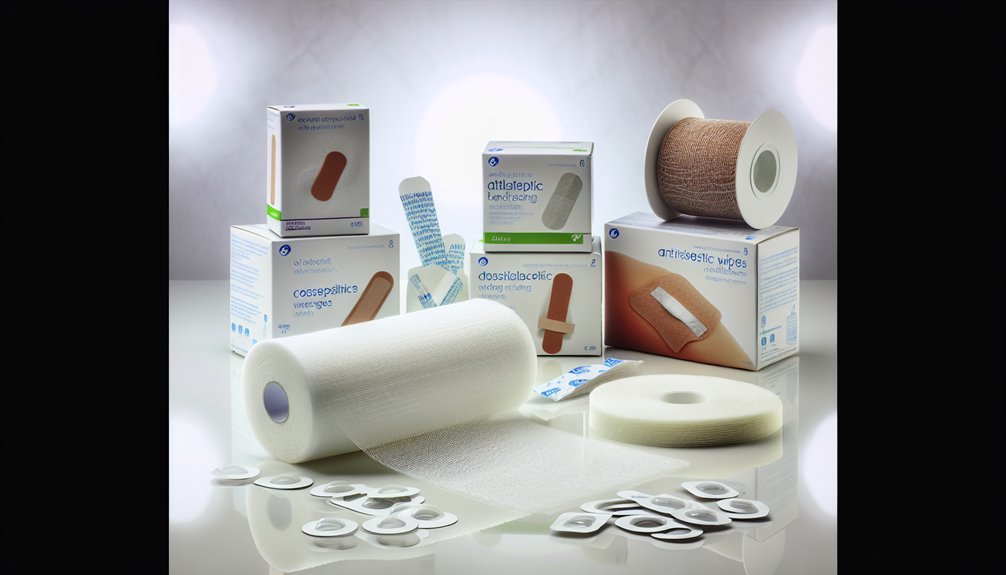
When it comes to wound care, selecting the right dressing or bandage is crucial for promoting healing.
There are various types available, such as hydrocolloid and alginate, each designed for specific needs.
Knowing how to apply them properly can also enhance their effectiveness.
By familiarizing yourself with these options, you can better care for wounds.
Now, let’s explore some specific dressing types and their uses in more detail.
Types of Dressings
Selecting the appropriate dressing for a wound is crucial for promoting effective healing. Understanding the different types of dressings and their specific functions can help you make an informed choice that aligns with your healing needs.
- Hydrocolloid dressings are an excellent option for creating a moist environment around the wound. This type of dressing can help reduce pain and is designed to stay in place for several days, which means less frequent changes and a more comfortable experience.
- Non-stick pads are particularly beneficial for individuals with sensitive skin. These dressings protect the wound without sticking to it, which helps maintain moisture and promotes healing while minimizing discomfort during dressing changes.
- Transparent film dressings provide a unique advantage by allowing visibility of the wound. They also serve as a waterproof barrier, protecting the wound from bacteria and irritants, which is essential for preventing infection and supporting recovery.
Bandage Application Techniques
Effective bandage application techniques are crucial for ensuring wounds heal properly and efficiently. To begin, it’s important to select the appropriate dressing from your wound care supplies. For minor wounds, hydrocolloid dressings are often a good choice, as they create a moist environment that can help reduce pain and promote healing.
If the individual has sensitive skin, consider using non-adherent pads, which provide protection without sticking to the wound.
When applying a bandage, sterile gauze and bandages are essential for absorbing exudate and providing a protective barrier. Make sure to choose sizes that adequately cover the wound to prevent exposure to dirt and bacteria.
For post-surgical care, silicone gel sheets can be beneficial; they help minimize scarring by keeping the area moist and protected.
If swelling is a concern, adjustable compression bandages can be an effective option. They aid circulation while allowing for comfort, which is important for the healing process.
Always check that the bandage is secure but not overly tight, as this can hinder healing rather than promote it.
Healing Nutritional Supplements

Healing nutritional supplements are essential for enhancing the body’s natural recovery process from wounds. These supplements contain vital ingredients that can significantly accelerate healing. When selecting a product, it’s advisable to choose those from reputable wound care brands that provide the necessary nutrients to aid in your recovery.
For example, the Juven Therapeutic Nutrition Drink Mix Powder is formulated with arginine, glutamine, and collagen protein, all of which are crucial for effective collagen production. Collagen is an important component of skin and tissue repair.
Additionally, protein shakes from brands like Boost and Fairlife offer a convenient way to ensure you’re getting the nutrients needed for tissue repair and immune support. These shakes can help meet your protein requirements, which are essential for healing.
Micronutrient-rich supplements, particularly those containing zinc and vitamin C, play a significant role in tissue repair and infection prevention. Zinc is known for its contribution to the immune system and its role in wound healing, while vitamin C is vital for collagen synthesis.
Probiotics for Wound Healing
Probiotics can play a key role in wound healing by helping to regulate your immune response and support tissue regeneration.
Strains like Lactobacillus and Bifidobacterium not only combat harmful bacteria but also aid in collagen production, which is crucial for repairing damaged tissue.
Including probiotic-rich foods or supplements in your diet can enhance your recovery and promote faster healing.
Speaking of recovery, let’s look at other lifestyle factors that can also influence your healing process.
Immune Response Modulation
When it comes to wound care, understanding immune response modulation is crucial for effective recovery. The immune system plays a significant role in how well and how quickly wounds heal. Probiotics, in particular, can enhance your immune response, which is vital for efficient wound healing. Strains such as Lactobacillus and Bifidobacterium are known to support collagen synthesis, a key component in tissue repair.
Additionally, these probiotics help lower the risk of infections by competing with harmful bacteria.
Here are some specific benefits of incorporating probiotics into your wound healing regimen:
- Collagen Production: Probiotics support the production of collagen, which is essential for repairing damaged tissues.
- Infection Prevention: By bolstering your body’s natural defenses, probiotics can reduce the likelihood of infections that may complicate healing.
- Enhanced Healing Rates: Regular intake of probiotics can lead to faster healing and fewer complications overall.
To effectively integrate probiotics into your routine, consider natural sources such as kefir and yogurt. These foods not only provide beneficial bacteria but can also complement topical treatments like wound ointments and scar prevention creams, aiding in a quicker recovery process.
Understanding the connection between probiotics and immune response modulation can empower you to make informed decisions about your wound care strategy.
Tissue Regeneration Support
Tissue regeneration is a vital aspect of wound healing, and understanding its mechanisms can significantly enhance your recovery process. Probiotics, in particular, play a crucial role in supporting tissue regeneration by modulating the immune response. Key strains such as Lactobacillus and Bifidobacterium have been shown to promote collagen synthesis, which is essential for effective healing.
Maintaining a balanced gut microbiota is important, as it can enhance overall immune function and reduce inflammation. This balance indirectly supports your wound healing efforts. Research indicates that these beneficial bacteria can also lower the risk of infection in wounds, thereby fostering a healthier environment for healing.
Incorporating natural sources of probiotics, like kefir and yogurt, into your diet can further aid in tissue repair. For those using wound gels or similar products on open wounds, considering the addition of probiotics can optimize recovery.
This approach not only supports the healing process but also contributes to overall well-being.
Common Mistakes in Wound Care
Wound care is crucial for promoting healing and preventing complications. However, many people inadvertently make mistakes that can slow down the recovery process. Understanding these common pitfalls can help you manage wounds more effectively. Here are some key mistakes to avoid:
- Using Harsh Antiseptics: Alcohol-based antiseptics can be too harsh on wounds. While they may kill bacteria, they can also damage healthy tissue and delay the healing process. Instead, consider using gentler options like saline solutions or mild soap and water for cleaning.
- Inadequate Cleaning: Failing to clean wounds properly can leave dirt and debris, which may lead to infection. It’s important to gently wash the area around the wound and remove any visible dirt. If the wound is deep or has debris embedded, it’s best to seek professional medical assistance.
- Overusing Topical Applications: Applying too much antibiotic ointment can lead to skin irritation and may even hinder healing. It’s usually sufficient to apply a thin layer of ointment as needed, and it’s a good idea to consult with a healthcare provider regarding the appropriate frequency and amount.
By avoiding these common mistakes in wound care, you can enhance the healing process and promote better outcomes.
Always remember that if you have any concerns about a wound, consulting with a healthcare professional is the best course of action.
How to Choose the Right Product for Your Wound

Choosing the right wound care product for your specific injury is essential for effective healing. Start by assessing the depth and severity of your wound. If your wound is deeper than a quarter-inch or shows signs that it may require stitches, it’s important to consult a healthcare professional for appropriate treatment.
For minor cuts and scrapes, antiseptic ointments like Neosporin or Polysporin can be beneficial. These products help to prevent infection while keeping the area moisturized.
If your wound requires moisture retention, consider using hydrocolloid dressings. These dressings create a moist healing environment that can accelerate the healing process.
When dealing with wounds that are exposed to moisture or friction, transparent film dressings are a great option. They provide a protective barrier while allowing you to monitor the healing process without needing to remove the dressing frequently.
Lastly, always review the ingredient list of any wound care product to identify potential allergens. This is especially crucial for products containing neomycin, as some individuals may have allergic reactions.